
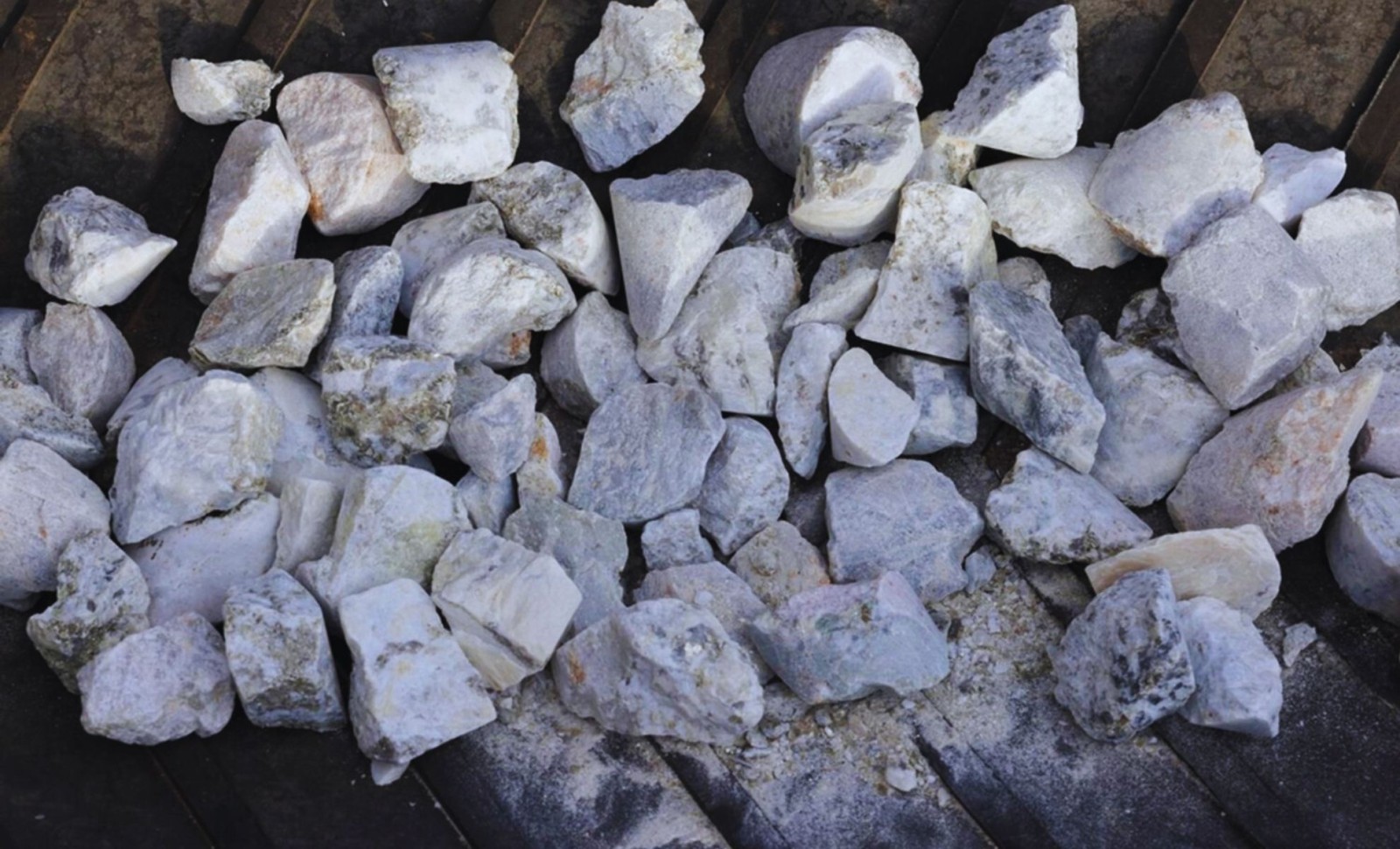
Deep within the McDermitt Caldera, straddling the Nevada-Oregon boundary, lies a lithium reserve valued at an astonishing $1.5 trillion. This discovery has the potential to position the United States as a leading force in the global lithium market. While some herald it as a cornerstone for energy sovereignty, others voice strong concerns about the environmental repercussions and impacts on indigenous communities.
Lithium has quickly become essential for the future of energy. Its demand has soared alongside the rise of electric vehicles and renewable energy solutions. However, extracting this cache of lithium—hidden beneath ancient volcanic deposits—poses a significant challenge: can this wealth be tapped without causing irreversible damage to the ecosystem and the cultures that hold the land sacred?
Unlocking Energy Independence Worth $1.5 Trillion
Lithium is increasingly recognized as the vital material for powering electric cars and renewable energy grids. Research published in Minerals indicates that the lithium deposits in the McDermitt Caldera may rank among the largest worldwide, potentially rivaling top reserves in South America and China. This offers the U.S. an unparalleled chance to lessen reliance on international sources.

The economic possibilities are vast. Efficient mining here could accelerate the country’s shift to clean energy and shake up global supply chains. Investors and technology firms, alongside electric vehicle manufacturers, are already competing for access to these valuable resources.
There's a HUGE lithium reserve in Nevada, along the border with Oregon.
Up to 40 million tons of lithium., & is potentially the world's largest lithium reserve.
Time to mine our own lithium. pic.twitter.com/vVnCBdStht— Derrick Evans (@DerrickEvans4WV) April 13, 2025
Balancing Cultural Heritage with Resource Development
Despite the promising economic benefits, many voices strongly oppose mining efforts, highlighting the potential cultural and ecological damages. The McDermitt Caldera holds deep spiritual significance for local Native American tribes.
Indigenous leaders have expressed fierce resistance, warning that mining would threaten sacred lands and traditions. This clash reflects broader tensions between pursuing economic development and preserving cultural identity. The debate highlights the complexity of managing such a precious natural resource.
Mining Challenges Amid Environmental Concerns
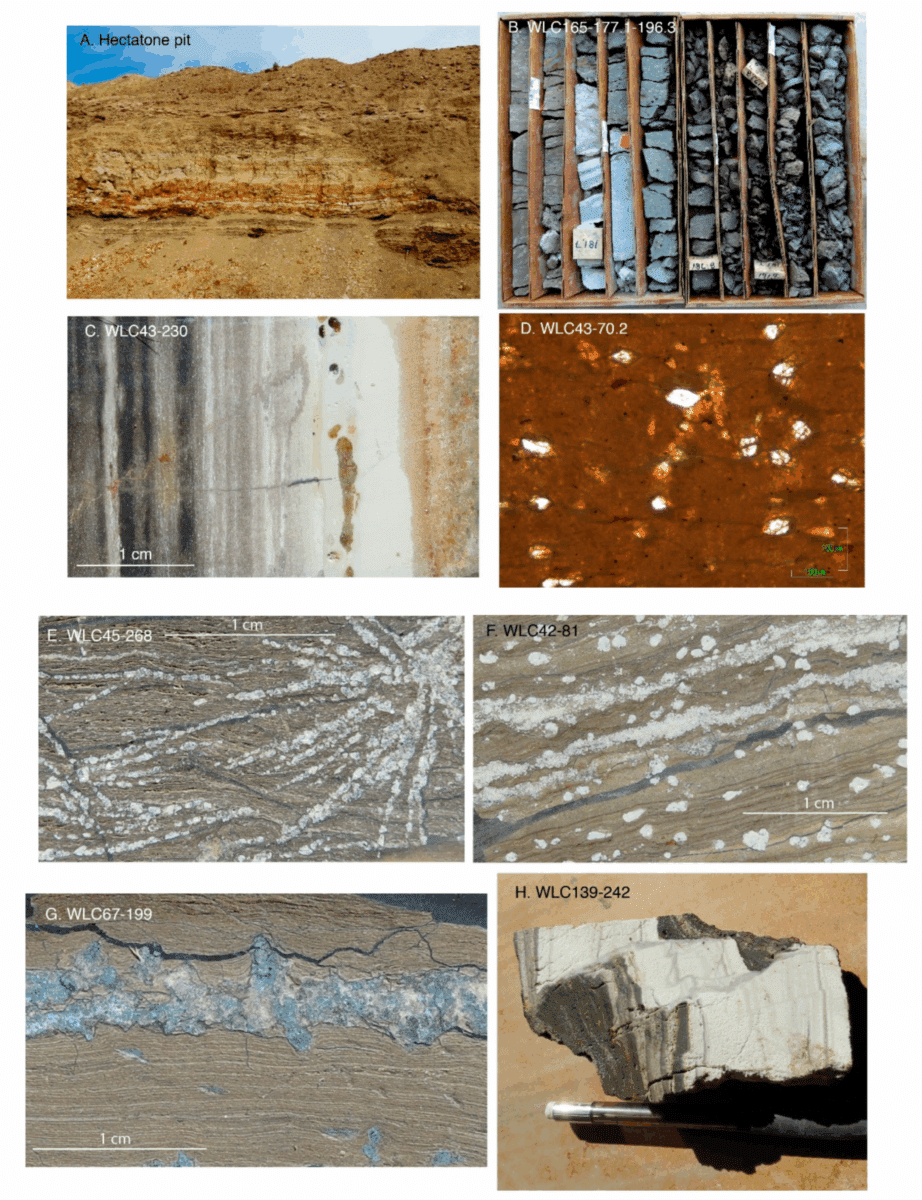
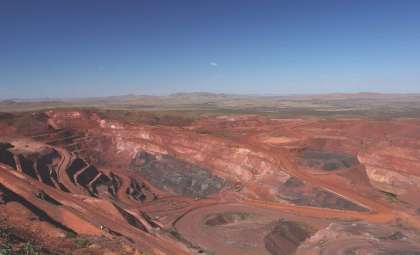
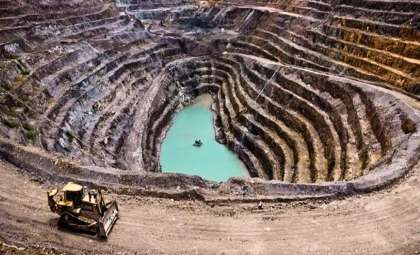
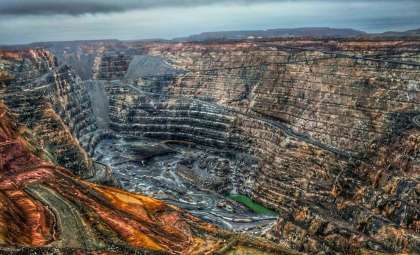
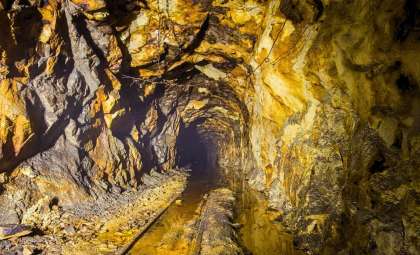
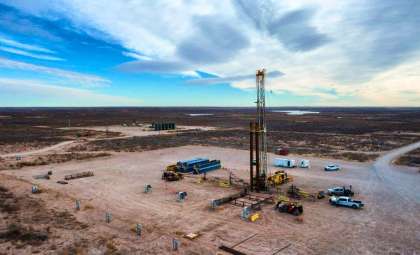
The lithium beneath the McDermitt Caldera is found in claystone rather than salt flats like other major deposits, complicating extraction. This requires more disruptive methods such as acid leaching, which carry heightened ecological risks. Geologist Sammy Castonguay has highlighted the potential irreversible impacts on this geological marvel.
“This feature is 16 million years old,” he said. “And we’re making decisions that could alter it forever.”
Modern mining techniques can facilitate large-scale resource recovery, but the lasting environmental footprint remains uncertain. Can the area be mined responsibly without damaging a formation millions of years in the making? As Greg Smith, Malheur County’s economic development head, remarked:
“We need to do this the Oregon way – with full accountability and shared benefits.”
- Categories:
- News




0 comments
Sign in to Comment