
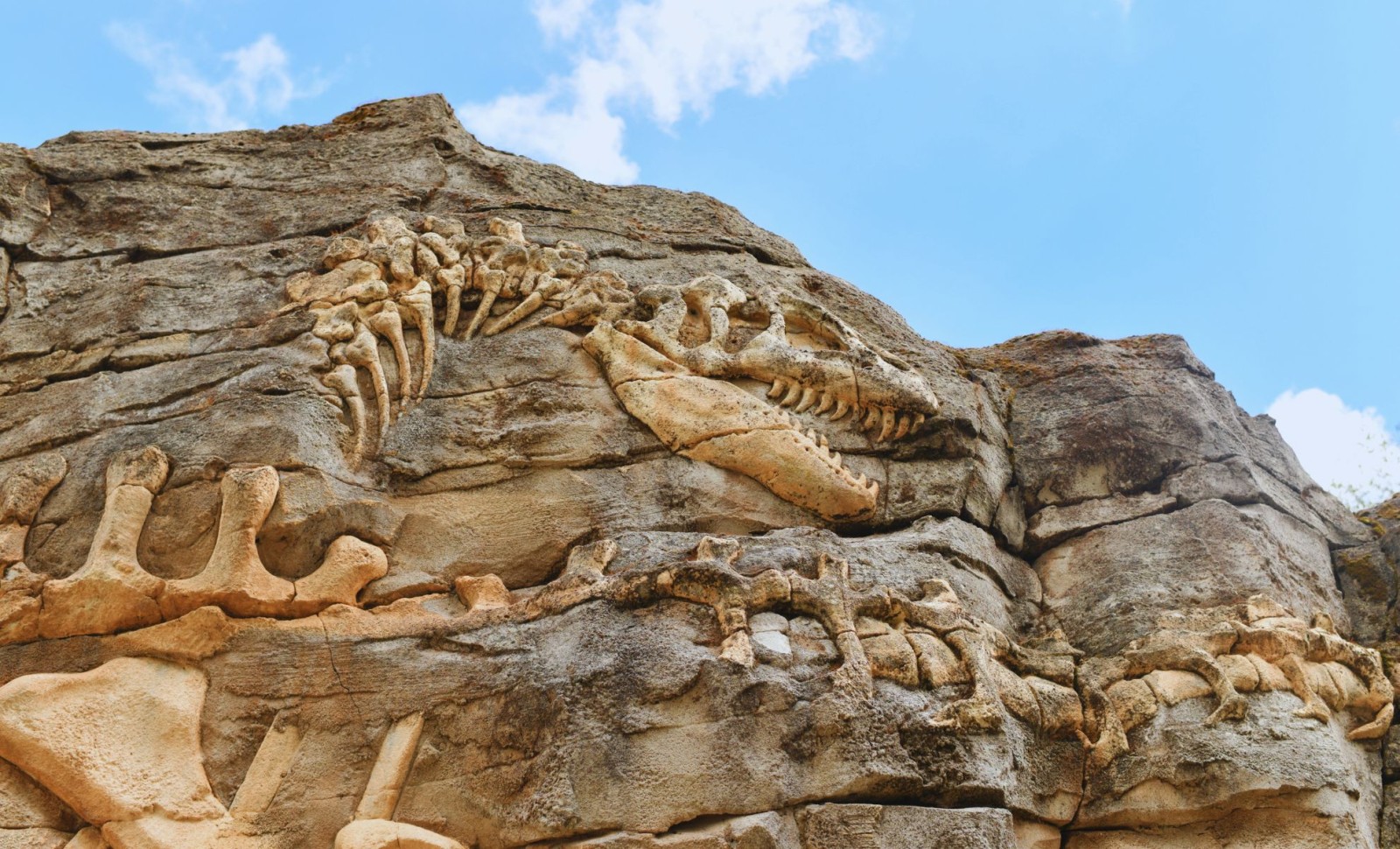
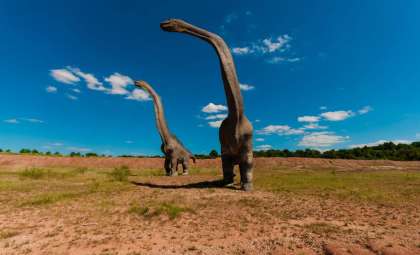
Scientists working in China's Sichuan Basin have identified a dinosaur of staggering proportions, expanding our understanding of prehistoric giants. The species, Tongnanlong zhimingi, is estimated to reach lengths of up to 92 feet, ranking it among the largest terrestrial creatures ever discovered.
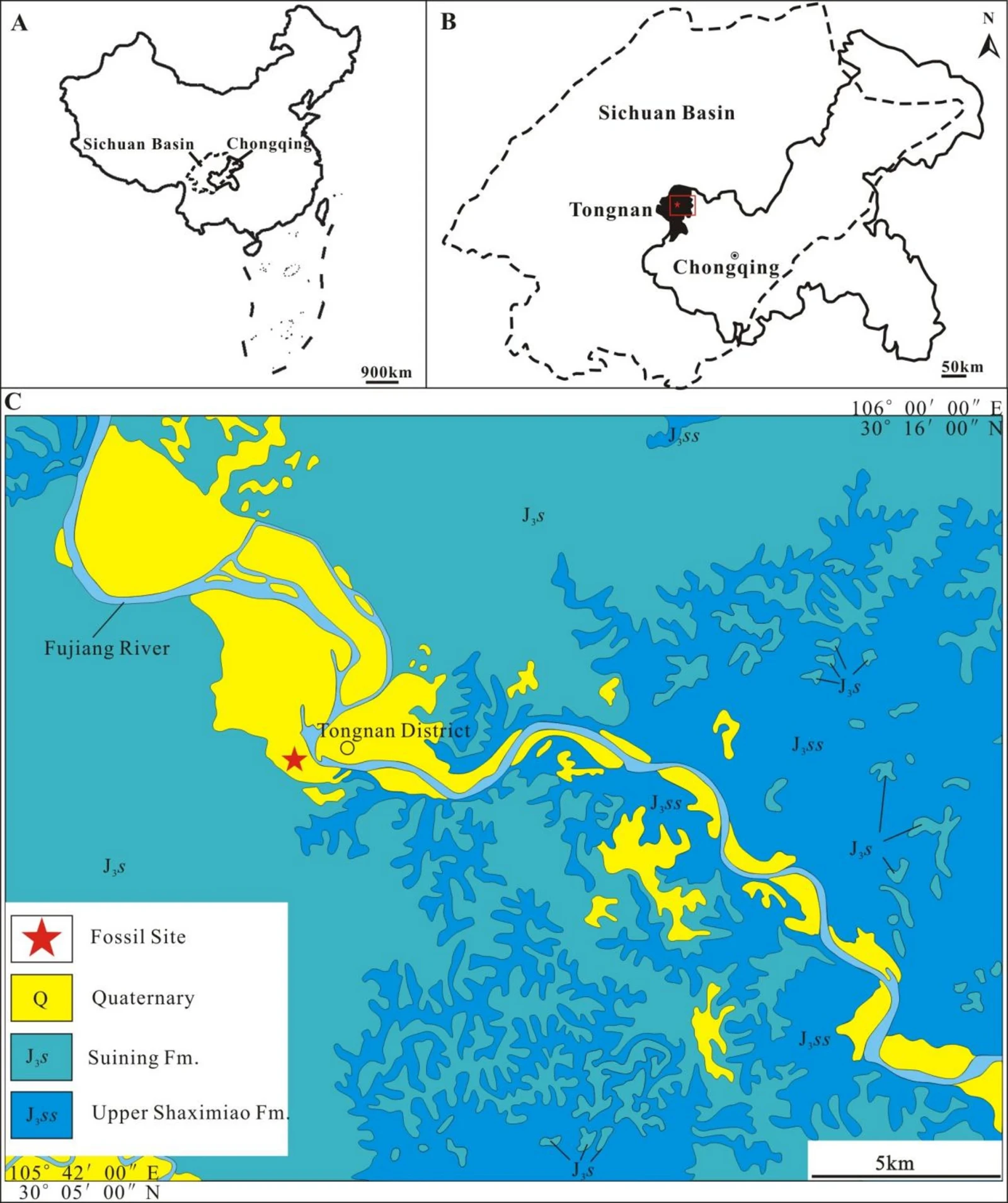
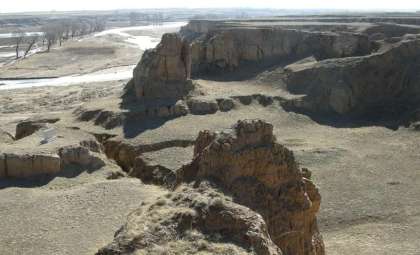
This exceptional fossil originated from the Suining Formation in Chongqing's Tongnan District, a geological site dating to the Late Jurassic period, approximately 147 million years ago. Initially found at a construction zone, the specimen was later excavated and analyzed by a team spearheaded by Xuefang Wei from the China Geological Survey’s Chengdu branch.
A Giant Lineage Engineered for Strength and Lightness
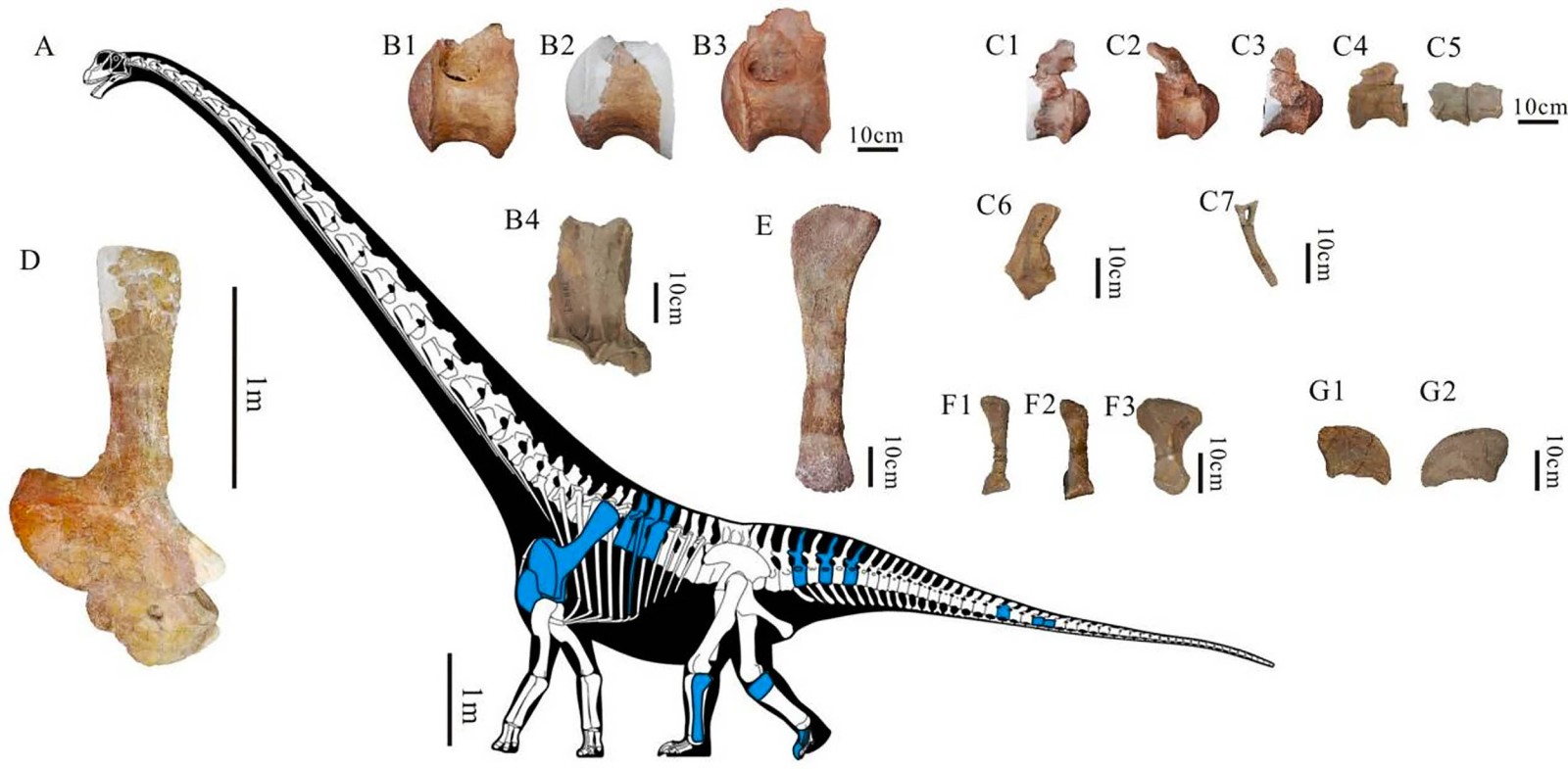
The research featured in Scientific Reports classifies Tongnanlong zhimingi within the Mamenchisauridae family—long-necked sauropods noted for their surprisingly lightweight skeletons. A key characteristic seen in the fossil is the presence of pneumatic spaces within the bones, which reduced weight without compromising strength. Coupled with a bulky shoulder blade and strengthened vertebrae, these features highlight its adaptation for supporting immense mass.

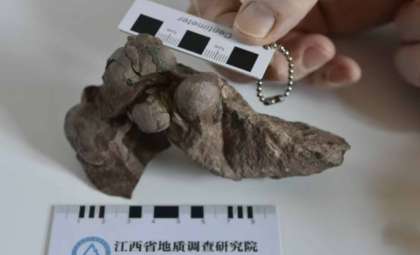
Though the skeleton isn’t complete, preserved elements such as three back vertebrae, six tail vertebrae, fragments of the shoulder, and some leg bones allowed scientists to infer the dinosaur’s full size. Focusing on the scapula and fibula, which correlate well with body length in sauropods, researchers produced reliable estimates.
Conservative calculations place the dinosaur’s length between 75 and 92 feet. This confirms Tongnanlong as among the largest land animals discovered, exhibiting the characteristic eusauropod design of lightweight, yet robust bones suited to massive body support.
A Jurassic Habitat Teeming With Colossal Creatures
Previous discoveries in the Suining Formation have revealed other sizable sauropods, indicating the region once hosted a diverse community of gigantic long-necked dinosaurs. As Earth.com reports, the fossil-bearing layers consist of purple-red mudstones and sandstones, featuring ripple marks that suggest a lakeshore environment. Alongside the dinosaur fossils, freshwater bivalves, conchostracans, and turtles were present, painting a picture of Jurassic wetlands capable of sustaining large herbivores.
Importantly, the fossil’s burial near its death site implies that Tongnanlong inhabited this area, benefiting from localized vegetation and water sources that could support such an enormous animal.
Jurassic East Asia: Isolated or Connected?
Debates have long persisted regarding whether East Asia was isolated during the Jurassic era, a theory called the East Asian Isolation hypothesis. However, as Earth.com notes, other members of the Mamenchisauridae have been found far outside Asia—for example, Wamweracaudia keranjei from Tanzania’s Tendaguru Beds. These findings suggest a far-reaching distribution of this dinosaur family.
Lead author Xuefang Wei indicates these discoveries imply that Mamenchisaurids were widespread globally during the Late Jurassic, inhabiting diverse continents simultaneously.
- Categories:
- Science


0 comments
Sign in to Comment