
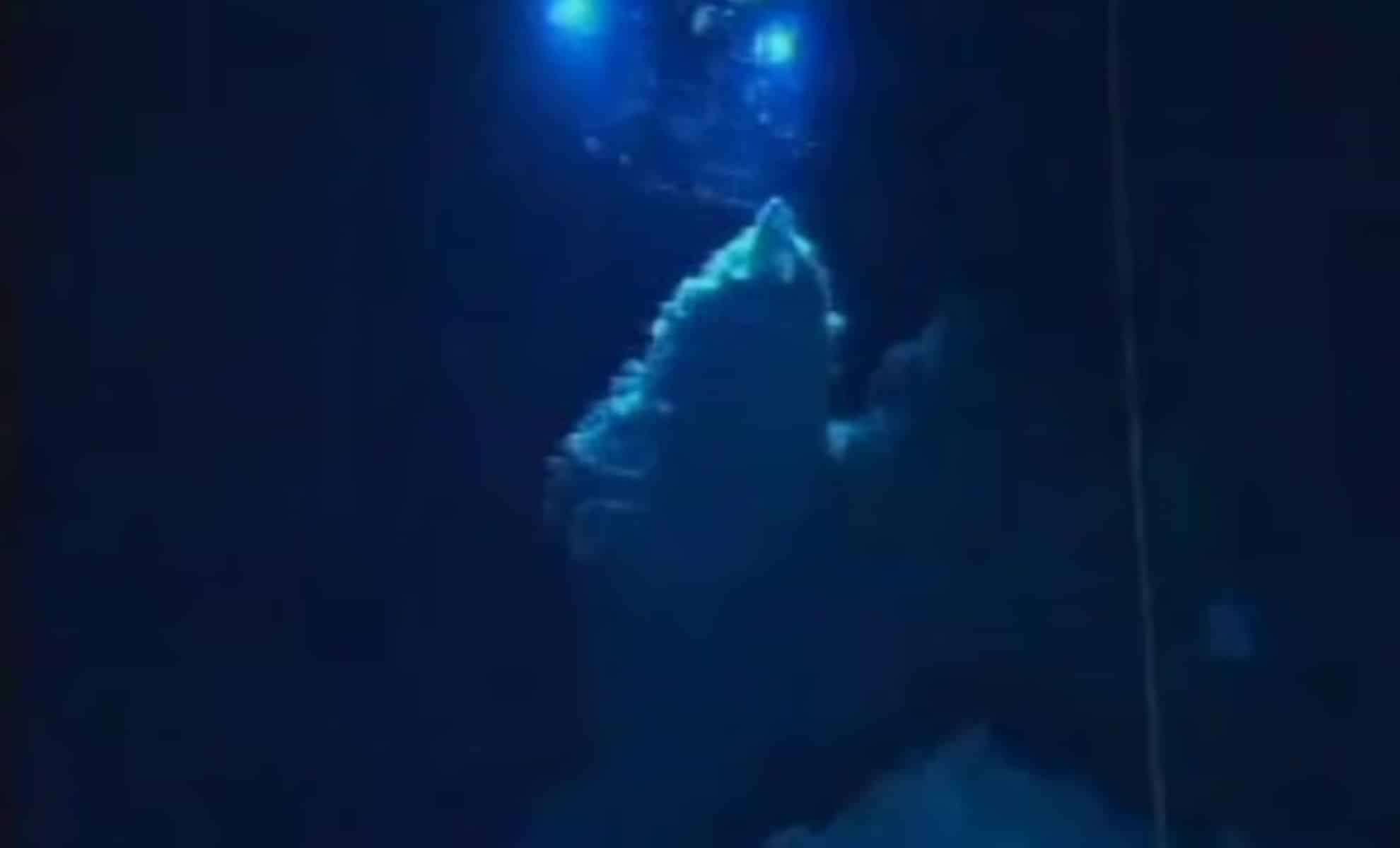
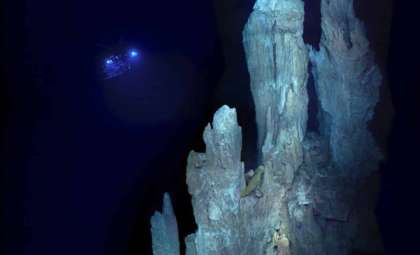
Far beneath the waves of the Atlantic Ocean, researchers have made a remarkable discovery—a submerged ancient environment that may shed light on the origins of life on our planet. The Lost City, an expansive field of mineral chimneys, offers a unique chance to examine a hydrothermal system active for more than 120,000 years. This remarkable site is found over 2,300 feet below the ocean surface.
Insights Into Primal Earth Environments
The Lost City Hydrothermal Field lies along the flanks of a submarine mountain on the Mid-Atlantic Ridge, an extensive underwater mountain chain spanning the Atlantic basin. This ridge represents a tectonic plate boundary and is a hotspot for geological processes. In contrast to typical volcanic-driven hydrothermal vents, the Lost City is powered by chemical energy emerging from the Earth’s mantle.
Scientists believe this hydrothermal field has persisted for over 120,000 years, making it the longest-lived of its kind documented to date. Its remote setting means it remains largely unaffected by human interference, preserving an ecosystem that may mirror early Earth’s conditions. The towering carbonate spires here result from a process called serpentinization, where seawater chemically interacts with heated rocks beneath the ocean floor.

Life Sustained by Chemical Energy
One of the most fascinating features of the Lost City is its ability to nurture microbial communities in total darkness and without oxygen. These microorganisms subsist on methane and hydrogen generated by chemical reactions between seawater and mantle rock. The warm, alkaline fluids emitted by the vents create conditions that allow life to flourish in one of Earth’s most extreme habitats.
Microbiologist William Brazelton emphasizes the broader implications, noting, “This is an example of a type of ecosystem that could be active on Enceladus or Europa right this second.” These moons, which harbor hidden oceans beneath thick ice layers, might support life based on similar chemical energy, far away from sunlight’s reach.
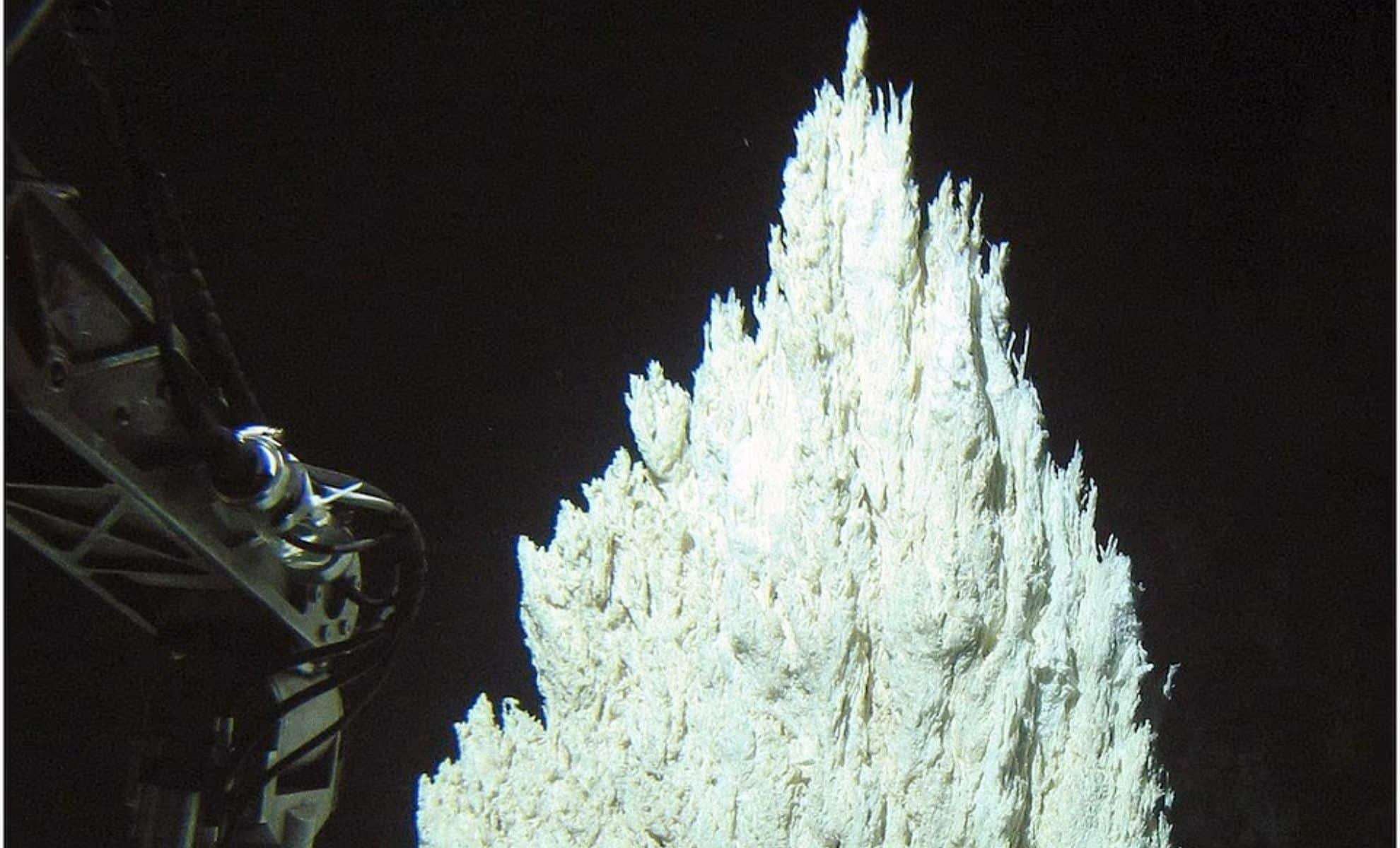
Deep-Sea Mining and Ecological Concerns
Although the Lost City itself doesn’t contain economically valuable minerals, nearby sections may attract interest for deep-sea mining. The Mid-Atlantic Ridge harbors polymetallic sulfides, crucial materials for the tech industry. Yet extraction near fragile hydrothermal ecosystems poses significant environmental challenges.
Mining could disrupt the sensitive habitats around the vents by stirring sediment plumes and introducing toxic compounds into the water column. Such disturbances threaten the unique microbial communities, even if the vents are untouched. Scientists warn about possible irreversible damage to this extraordinary ecosystem.
Responding to these risks, the Convention on Biological Diversity has classified the Lost City as an Ecologically or Biologically Significant Marine Area (EBSA), highlighting its critical role in biodiversity and science. Additionally, UNESCO is evaluating the site for World Heritage recognition, which could enhance global protection against mining and other harmful activities.
- Categories:
- News






0 comments
Sign in to Comment