
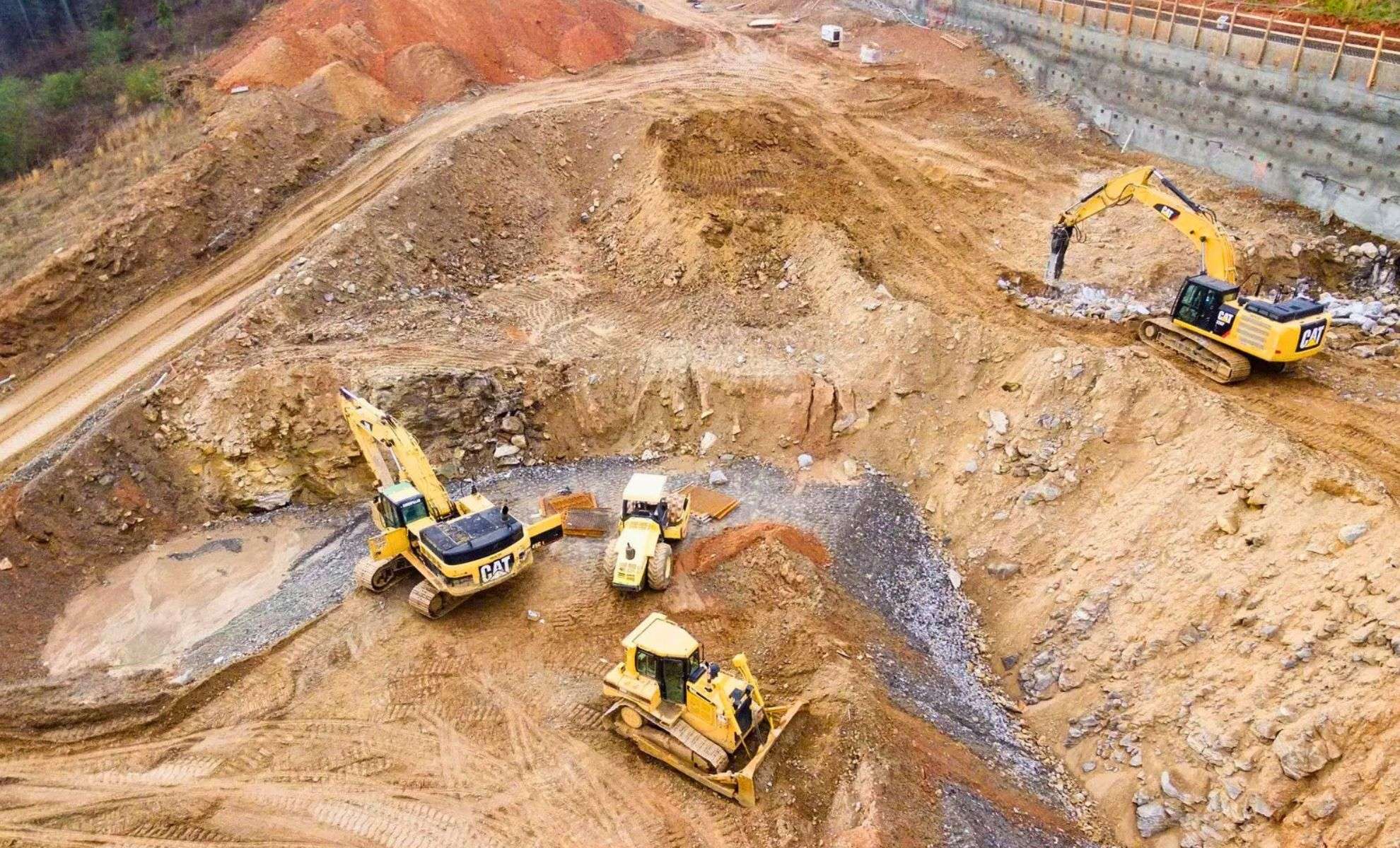
A groundbreaking find in southern Norway may significantly impact the future development of clean energy technologies. An estimated 70 billion tonnes of phosphate have been identified beneath Norwegian territory, potentially transforming the supply of essential components used in electric vehicle batteries, solar energy systems, and fertilizers.
Norge Mining, the firm responsible for this discovery, announced the enormous scale of the phosphate reserves earlier this year, raising prospects for Europe’s resource independence.
Huge Deposit Found in Norway’s Southwest
As reported by EuroNews, this extensive phosphate reserve, situated in southwestern Norway, stands out as a potential game-changer. The deposit, discovered by Norge Mining in 2018, was confirmed in May to contain a staggering 70 billion tonnes of phosphate.

This trove could secure a steady source of phosphate for up to half a century, providing a vital resource boost for the manufacturing of environmentally friendly technologies.
Phosphate is crucial for a range of applications, including battery production in electric vehicles, solar energy, and the creation of fertilizers. Its role is increasingly important as global efforts concentrate on sustainable energy solutions.
Michael Wurmser, founder and deputy CEO of Norge Mining, emphasized the deposit’s significance, noting it surpasses all phosphate sources currently known in Europe, positioning Norway as a key player in the international mineral market.
Strategic and Political Ramifications
The large phosphate reserve in Norway could alleviate Europe’s long-standing dependency on foreign sources for this indispensable resource.
Europe has traditionally relied on suppliers like China, Morocco, and Russia, facing supply disruptions and geopolitical risks. For example, the conflict in Ukraine recently interrupted phosphate deliveries, prompting Europe to pursue alternative supply options.
This Norwegian deposit is viewed as a chance to lessen Europe’s import dependence. Being situated within the continent, the logistical obstacles are minimized, potentially establishing a steady and secure source for the expanding demand in green innovation.
Environmental Impact and Responsible Extraction
Despite its economic promise, environmental concerns surround phosphate mining, which is typically energy-intensive with a considerable carbon footprint.
In response, Norge Mining has pledged to implement carbon capture and storage (CCS) techniques aimed at mitigating ecological damage during extraction.
While these measures show promise, their full efficiency is still under review, and critics are expected to scrutinize mining operations intensely.
Beyond phosphate, the deposit includes valuable minerals like titanium, essential in aerospace and healthcare industries, and vanadium, used to enhance steel strength.
The presence of these additional resources increases the site’s economic potential but also complicates extraction and processing efforts.
Future Prospects for Norway’s Mineral Sector
The Norwegian government is dedicated to establishing a sustainable mining industry. Jan Christian Vestre, Norway’s Trade and Industry Minister, has highlighted the nation’s responsibility to lead in this domain.
Plans are underway to build the infrastructure needed to support mineral extraction, with operations anticipated to commence by 2029.
Although the discovery offers optimism, there remain hurdles like regulatory approvals, environmental impact studies, and substantial infrastructure investments.
Nevertheless, authorities are confident in their ability to balance economic development with environmental protection, making this initiative a critical focus for Europe’s mining sector.
- Categories:
- News







0 comments
Sign in to Comment