
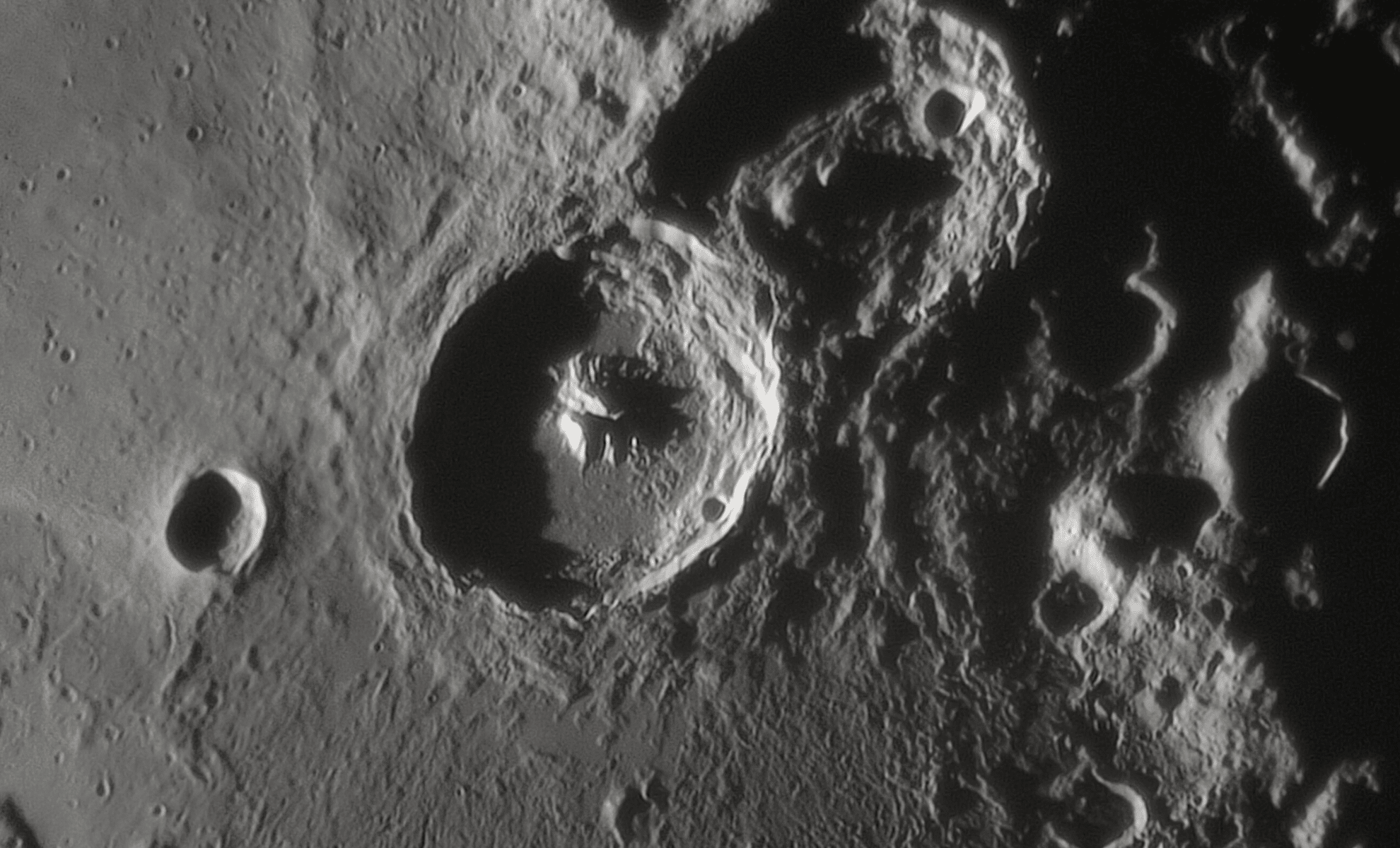
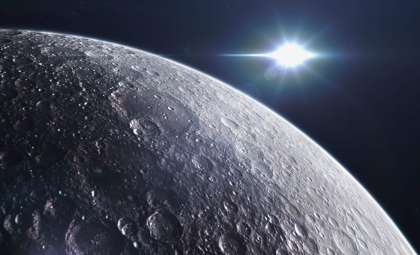
Traditionally viewed as a geologically quiet world, the Moon’s surface appeared stable for millions of years. Yet, groundbreaking research is overturning this assumption. A recent paper titled “Recent boulder falls on the Moon,” published in Icarus, presents compelling proof of fresh boulder movements reshaping the lunar landscape. By examining large rocks tumbling down crater slopes, researchers have gathered evidence showing active geological processes continuing today. Led by Sivaprahasam Vijayan and colleagues, the study demonstrates that these events are recent in geological terms, hinting that the Moon is more dynamic than once believed.
Tracking Lunar Boulder Movements: Methods and Discoveries
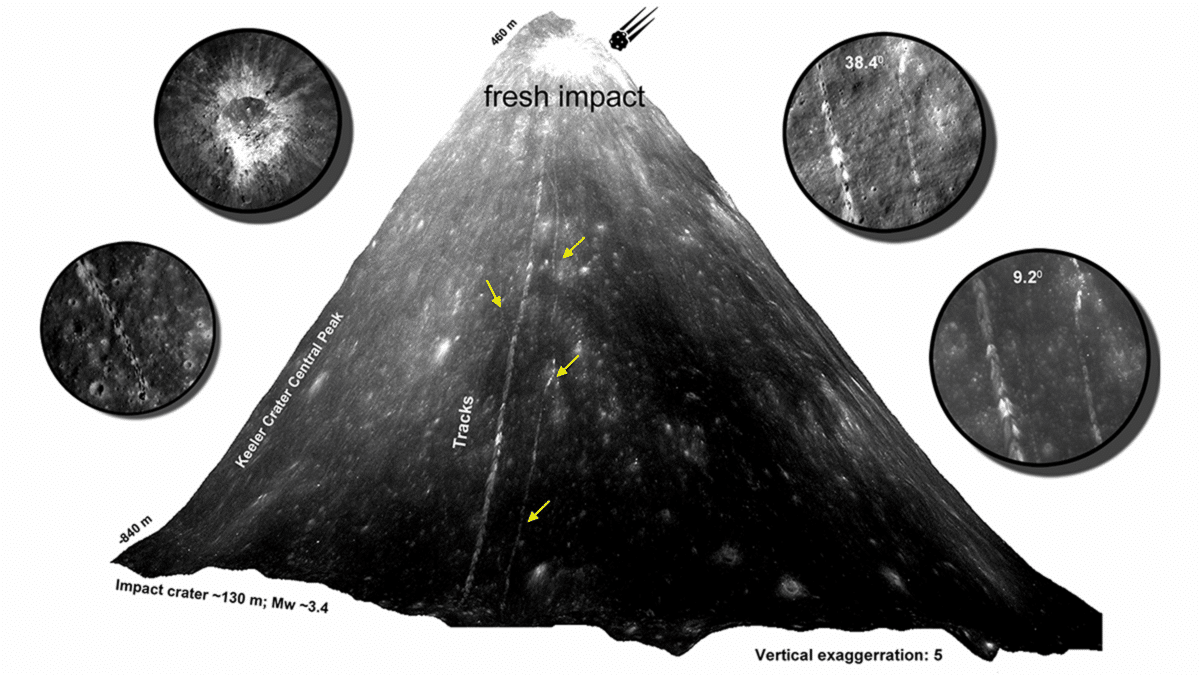
Scientists meticulously reviewed thousands of detailed images from NASA’s Lunar Reconnaissance Orbiter, concentrating on latitudes between 40° south and 40° north. They pinpointed 245 unique tracks where boulders recently fell, rolled, or slid downward on steep crater faces. These tracks stand out because they reveal fresh, bright material exposed beneath the weathered lunar surface, indicating recent disturbances.
“The Moon was long thought to be geologically inert, but our research highlights boulders ranging tens to hundreds of meters in size, weighing several tons, shifting positions over time,” explains lead author Sivaprahasam Vijayan, associate professor at India’s Physical Research Laboratory in Ahmedabad. These findings signify that the Moon’s surface is still in flux, providing fresh insights into its geological evolution and ongoing activity.

Significance of Fresh Boulder Trails: Illuminating Lunar Processes
These luminous boulder tracks are critical in understanding the Moon’s recent geological past. When boulders roll downhill, they disturb surface dust and debris, leaving behind bright, distinctive ejecta. Senthil Kumar Perumal, principal scientist at India’s National Geophysical Research Institute, notes, “The presence of bright ejecta is a key indicator of a recent boulder fall.” Such evidence assists in accurately dating these geological events.
Dating analysis suggests that the craters involved are approximately 400,000 years old, making the associated boulder falls relatively modern on a geological timescale. This implies ongoing influences such as lunar quakes, meteorite impacts, or other geological forces actively molding the lunar surface today.
Investigating Causes: Seismic Activity and Future Lunar Missions
Identifying what triggers these recent boulder movements remains essential. Researchers aim to clarify whether the falls result from internal seismic events (endogenic) or external impacts (exogenic) by deploying sophisticated instruments like seismometers on upcoming lunar expeditions. Vijayan explains, “Deploying more seismometers will help distinguish between internal and external causes of the falls.” Monitoring the Moon’s seismicity over extended periods will provide critical data on forces that shape its surface.
Kumar emphasizes the need for comprehensive seismic observation, saying, “A widespread network of seismometers covering the Moon and continuous long-term monitoring are necessary to understand its geological activity.” This data would prove invaluable for future human missions and potential lunar settlement.
Charting Active Zones: A New Lunar Geological Map
Through their research, the team developed an updated geological map highlighting locations of recent boulder falls alongside fresh impact sites. These areas represent prime candidates for future lunar missions aimed at investigating subsurface dynamics and seismic activity. Studying these regions may reveal deeper insights into lunar geology and its similarity to Earth’s processes.
As exploration progresses, such maps will guide mission planners in selecting scientifically rich landing sites, enhancing our understanding of the Moon’s formation, evolution, and present-day geological behavior.
The Moon’s Vitality Unveiled: Implications for Research and Exploration
New findings debunk the long-held belief that the Moon is geologically dormant. Ongoing investigations and future monitoring may uncover further examples of active processes shaping its surface. Observing recent boulder falls offers a fresh perspective on the Moon’s geological history and current state.
This study underscores how advancements like high-resolution satellite imagery and seismic instruments are essential for lunar exploration. Focused missions targeting these active zones promise to deepen knowledge of the Moon’s interior and its potential role in humanity’s broader space goals.
- Categories:
- News






0 comments
Sign in to Comment