
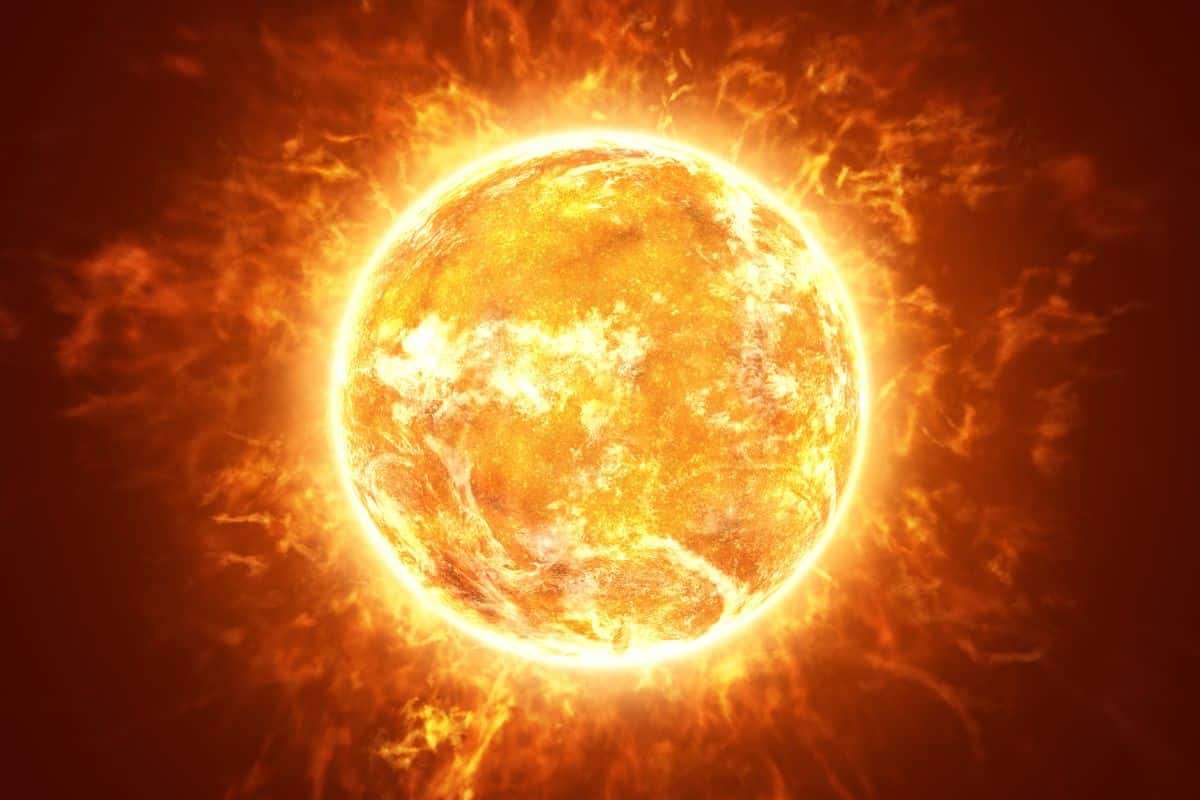
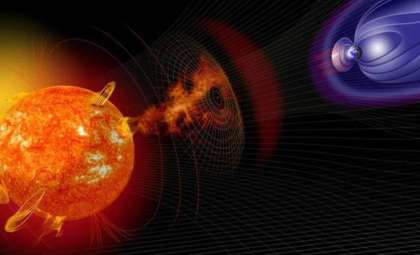
The sun operates on an approximately 11-year cycle marked by varying intensities of solar phenomena. The highest phase, called the solar maximum, was originally forecasted for mid-2025.
However, fresh evidence indicates that Solar Cycle 25 might have reached or even surpassed its peak ahead of schedule, prompting a reevaluation of the cycle’s timeline.
Solar Cycle 25 Surges Beyond Projections
The phase of the solar cycle is tracked through counting sunspots—dark regions that signify strong magnetic activity on the sun's surface. Since the onset of Solar Cycle 25 in December 2019, the NOAA forecasted the solar maximum for around July 2025, predicting monthly sunspot counts to peak between 101.8 and 125.2.
Unexpectedly, August 2024 data revealed a 13-month smoothed sunspot number of 156.7, which notably surpasses earlier expectations. This sharp spike hints that the solar cycle might have already passed its maximum, although some ambiguity remains.

Analyzing Current Solar Activity Trends
In August 2024, a monthly sunspot total of 216 was recorded, the highest within Solar Cycle 25 to date. Over the period from September 2024 to March 2025, monthly sunspot figures stayed elevated, fluctuating between 136 and 166. This sustained high level prompts investigation into whether the solar maximum is behind us.
NOAA’s latest experimental forecast, which incorporates up-to-date observations, suggests the solar peak may have occurred sometime between August and November 2024.
Possibility of a Secondary Peak in Solar Activity
Solar cycles sometimes present complex behaviors, including a phenomenon known as a double peak—an initial maximum followed by a dip and then a secondary rise. Solar Cycle 24 exhibited this pattern, with peaks in both 2012 and 2014. Although rare, such double maxima have appeared multiple times throughout solar history.
Solar Cycle 25 may be showing similar traits; data reveals peaks in both 2023 and 2024 that could indicate a double peak formation, causing a noticeable alteration in the smoothed curve representing solar activity.
Future Prospects for the Current Solar Cycle
Even if the solar maximum is confirmed as having passed, sun activity will continue for a time. Experts in solar physics note that elevated solar phenomena do not cease immediately after the peak.
Live Science reports that “Strong solar activity persists for a year or two beyond the maximum date,” meaning sunspots, coronal mass ejections, and geomagnetic storms will likely remain frequent. This period could also bring more spectacular auroras triggered by solar disturbances.
While pinpointing the exact date of solar maximum continues to be challenging, recent measurements imply that Solar Cycle 25 is more vigorous and may have reached its zenith earlier than initially predicted.
- Categories:
- News







0 comments
Sign in to Comment