
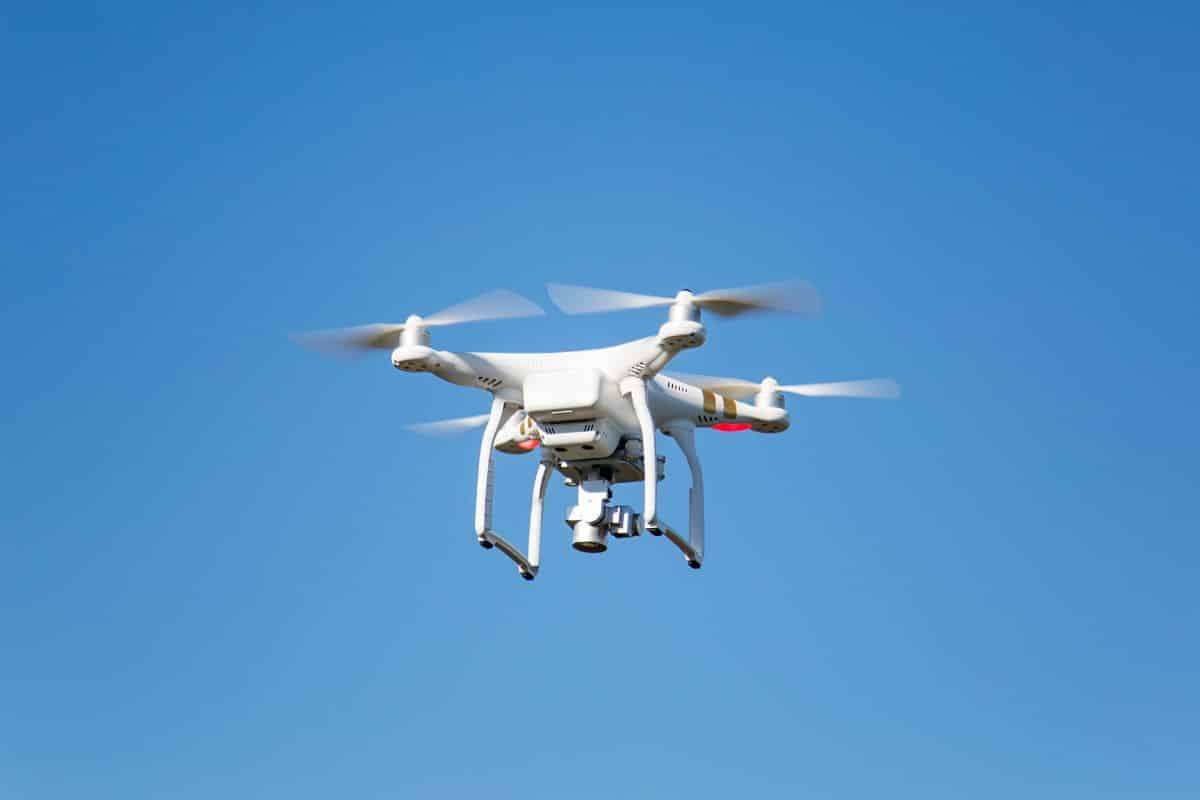
Scientists have developed a cutting-edge brain-computer interface (BCI) enabling a 69-year-old man with paralysis to pilot a virtual drone solely through his mental commands. This pioneering advancement sets a new benchmark in assistive technologies, offering renewed possibilities for those with restricted movement.
Harnessing Brain Signals for Movement
The individual, fully paralyzed due to a spinal injury, successfully directed a virtual drone through a series of virtual obstacles by mentally simulating specific finger motions. This remarkable feat was made possible by electrodes implanted directly in his motor cortex, the brain area controlling voluntary movement. Imagining actions such as thumb flexion or finger combinations generated distinctive neural patterns decoded by the BCI system in real time.
This breakthrough technology highlights the capability to translate brain activity into tangible control interfaces, aiming to empower users to perform tasks like typing or robotic limb operation.

Training and Precision Control
The path to this achievement involved intense training where the participant synchronized his imagined finger movements with a virtual hand visualized on a screen. The system allowed him to reach a precision of up to 76 targets per minute, demonstrating its accuracy and responsiveness.
Once he mastered this, his neural activity was connected to the drone’s control platform. The participant expertly maneuvered the drone across a virtual basketball court, showcasing fine motor precision.
Matthew Willsey, a University of Michigan neurosurgeon and study co-author, compared the experience to learning to play a musical instrument.
Decades of Innovation in Brain-Computer Devices
This accomplishment is built on years of BCI research. The electrodes were implanted in 2016 during an earlier clinical trial, with ongoing refinement enhancing performance. Advanced algorithms now decode subtle patterns of brain activity into actionable commands rapidly.
Reported in Nature, the findings emphasize BCIs’ adaptability for handling precise and simultaneous control tasks. Researchers foresee future applications allowing users with paralysis to manage several functions concurrently, such as typing and smart device interaction.
Expanding Horizons
Brain-computer interfaces extend beyond healthcare, finding uses in gaming, robotics, and even space travel. For people facing mobility limitations, BCIs offer the possibility of regaining independence and improving quality of life.
Nonetheless, challenges remain: implanting electrodes requires invasive procedures and extensive user training. Transforming these innovations into accessible therapies will demand substantial financial support and regulatory clearance.
- Categories:
- Science
















0 comments
Sign in to Comment