
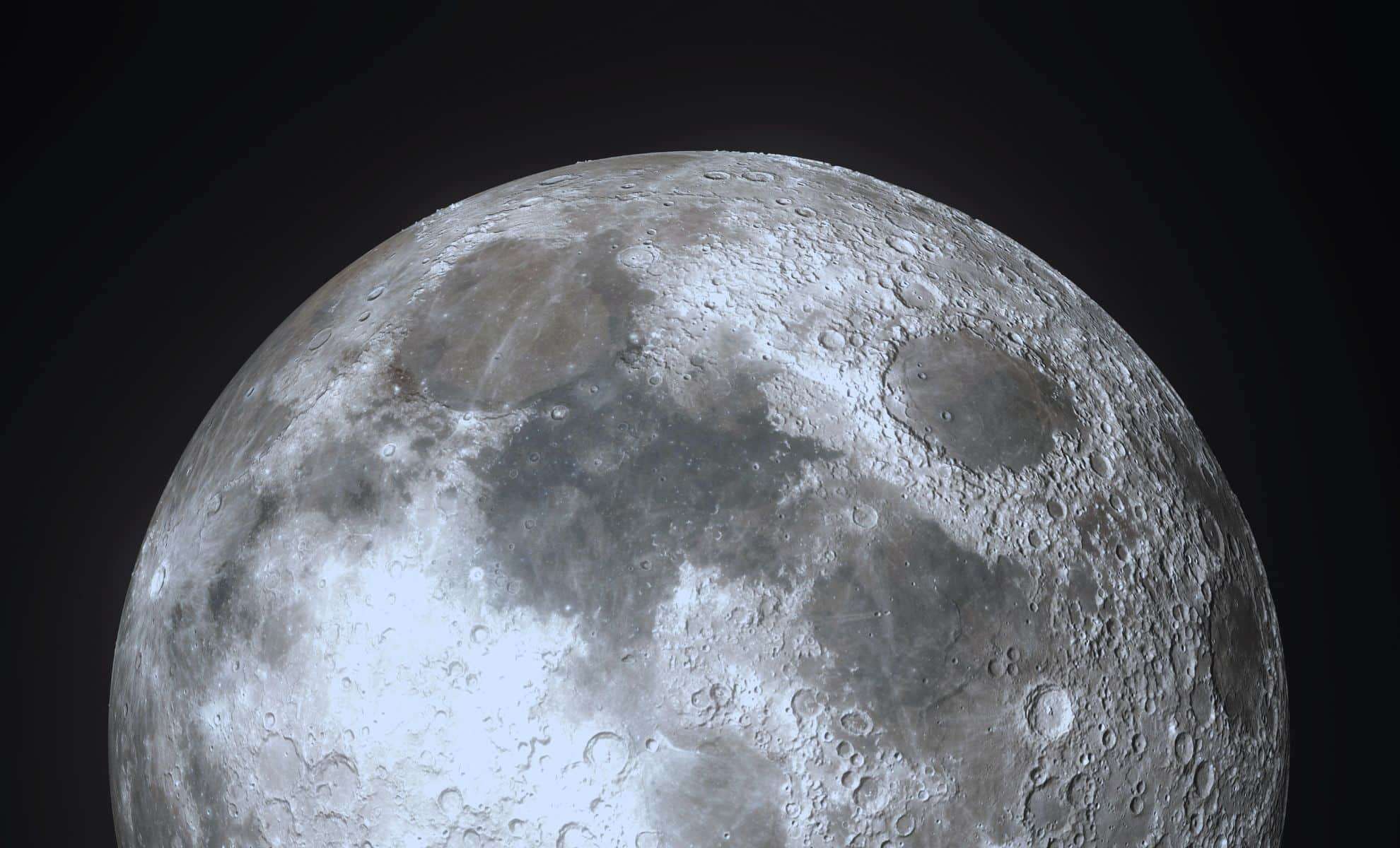
Scientists examining samples from the Moon have identified a surprising material: naturally occurring few-layer graphene, a carbon structure that could transform our comprehension of lunar origin and geological history. Detailed in the study Discovery of Natural Few-Layer Graphene on the Moon published in National Science Review, this finding promises new insights for lunar science and future space resource exploitation.
Insights From Lunar Sample Analysis
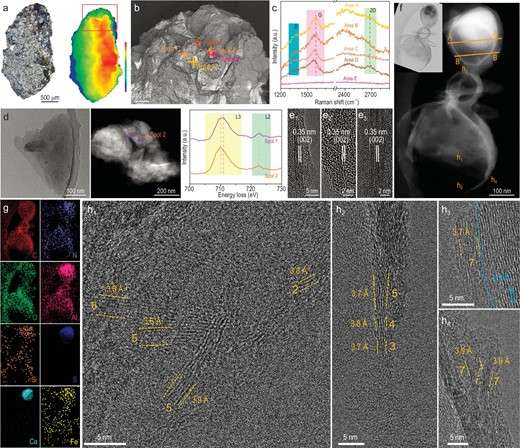
The Chang’e-5 lunar mission, which returned Moon samples in late 2020, has detected the first-ever natural occurrence of few-layer graphene within moon dust. This carbon form, featuring between two and ten atomic layers, was identified via non-invasive techniques like Raman spectroscopy. The discovery has intrigued researchers internationally, as it challenges existing views about the Moon’s chemical composition.
Reevaluating the Moon’s Formation Narrative
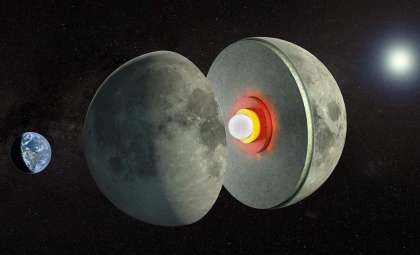
Scientists have long supported the giant impact hypothesis, proposing the Moon originated from debris resulting from a collision between Earth and a Mars-sized planetary body.

This theory predicts minimal carbon presence on the Moon due to the violent event. Yet, the newfound natural graphene points to the possibility that the lunar surface may contain a carbon capture mechanism, accumulating native carbon possibly through solar wind implantation and volcanic activity over billions of years.
Origins of Lunar Graphene
Graphene is known for its exceptional strength and electrical characteristics and is usually synthesized in labs on Earth. Its presence on the lunar surface, however, is natural, formed under unique, airless conditions. Scientists hypothesize that the solar wind — high-energy particles emitted by the Sun — interacted with iron-rich lunar dust, triggering graphene formation.
Volcanic heat may have further enabled thicker graphene layers to develop in localized regions on the Moon.
Implications for Lunar Science
This graphene discovery questions the long-held giant impact model by suggesting that carbon might not have been completely lost during the Moon’s creation. Instead, evidence now supports the idea of the Moon accumulating indigenous carbon gradually via solar wind and potentially Earth’s orbit, pivoting the narrative towards carbon incorporation rather than depletion.
Given graphene’s unique properties, its existence on the Moon hints at potential applications in space infrastructure, energy storage devices, and life support technologies for future lunar colonies. Utilizing in-situ graphene could protect habitats from radiation, improve capacitor efficiency, and assist in water purification, all of which would reduce expenses and complexities for lunar expeditions.
Prospects for Lunar Resource Development
The prospect of mining graphene on the Moon presents significant advantages to explorers. Researchers are exploring extraction methods, such as magnetic separation to isolate graphene from iron compounds. Moreover, fabricating materials on the Moon could dramatically lower reliance on Earth-based supplies.
Overall, the Chang’e-5 mission has opened a new chapter in uncovering the Moon’s geology and may guide future missions aimed at establishing a sustainable human presence beyond Earth.
- Categories:
- News







0 comments
Sign in to Comment