
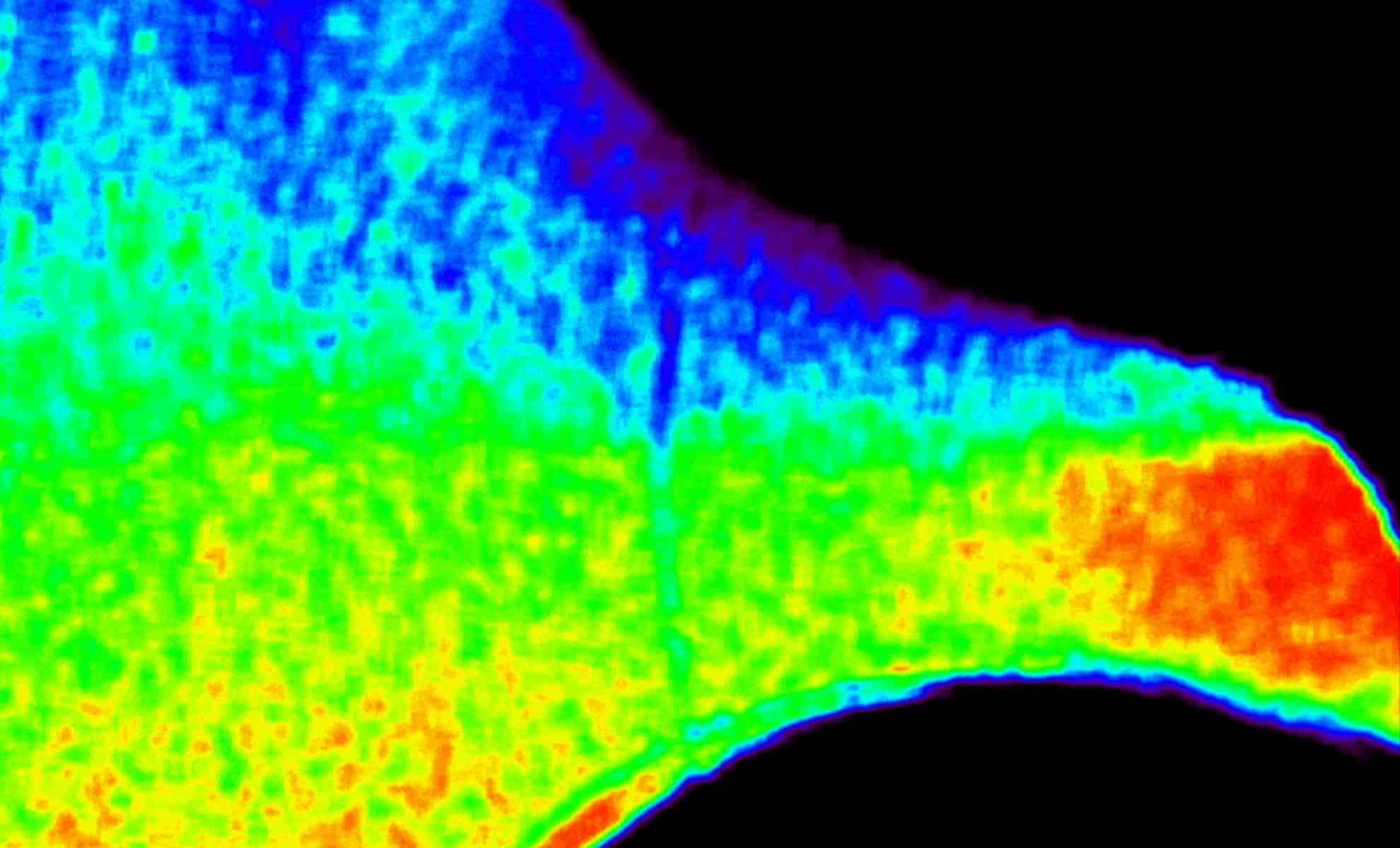
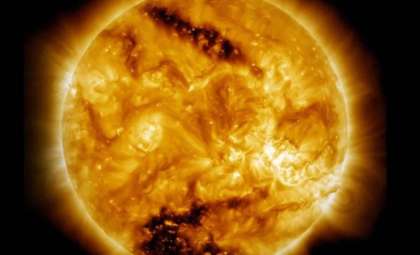
On June 10, 2025, NASA’s Coronal Diagnostic Experiment (CODEX) unveiled unprecedented images showcasing the Sun’s corona, the outermost layer of its atmosphere. Captured by a state-of-the-art instrument aboard the International Space Station (ISS), these visuals provide fresh perspectives on the behavior of the Sun’s plasma flows. This data, highlighted by NASA Science, promises to deepen researchers’ knowledge of space weather and its effects on our planet.
Introducing CODEX: A Breakthrough in Solar Exploration
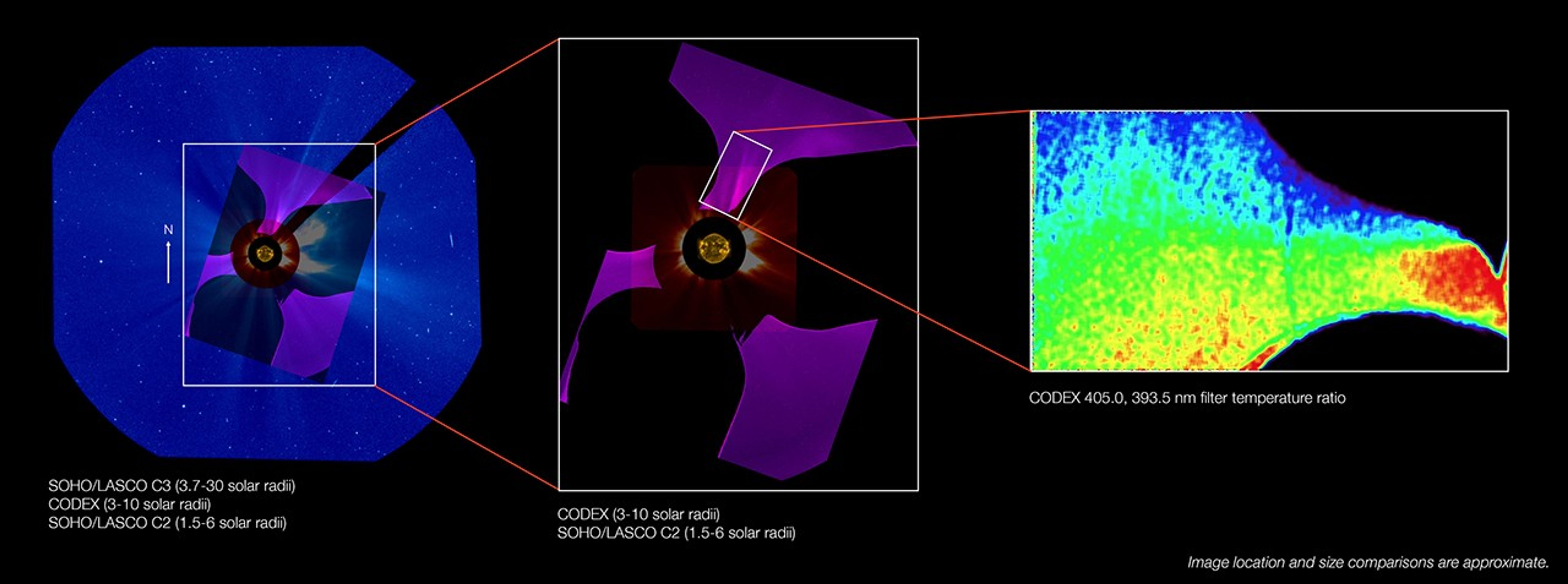
Designed as a solar coronagraph, the CODEX instrument simulates solar eclipses by blocking out the bright solar disk to reveal the dim corona. Mounted on the ISS, it employs a series of specialized occulting disks to observe the Sun’s hot plasma and emanating solar wind. This innovative design facilitates the study of solar wind characteristics that were previously unattainable.
Distinct from earlier coronagraphs that mainly measured the density of coronal materials, CODEX goes beyond by analyzing the temperature and velocity of solar wind particles. This advancement is pivotal for unraveling the complexities of solar wind behavior and enhancing the accuracy of space weather models. Jeffrey Newmark, CODEX’s lead investigator at NASA’s Goddard Space Flight Center, noted, “With the ideal filters and perfectly sized instruments, we’ve achieved brand-new observations, opening the door to compelling scientific discoveries.”

Uncovering the Sun’s Dynamic Corona
Data from CODEX unveils a much more active corona than formerly believed. Instead of a consistent, steady flow, the Sun’s outer atmosphere is marked by turbulent bursts of hot plasma. This nuanced understanding can alter how scientists comprehend space weather phenomena, including solar storms that can hamstring both terrestrial and orbital technologies.
CODEX’s four narrow-band filters—two attuned to temperature and two to speed—grant researchers precise measurements of solar wind conditions directly from the Sun’s surface. By comparing brightness across these filters, the temperature and speed of solar plasma can be accurately gauged.
Newmark emphasized, “Traditional coronagraphs offered density measurements, but CODEX advances this by capturing both the temperature and flow speed of the slow-moving solar wind, significantly enhancing our understanding of solar wind behavior.” This capability is vital for assessing the solar wind’s impact on Earth.
Advancing Space Weather Forecasting
Measuring both temperature and velocity of solar wind material equips scientists with improved tools for forecasting space weather. Solar wind influences phenomena like geomagnetic storms, which can disrupt satellites, GPS, and electrical grids. CODEX’s refined data enables more precise space weather models, enhancing early warnings of solar activity impacting Earth.
As Newmark stated, “CODEX will provide critical parameters that modelers can incorporate to improve future space weather predictions.” This progress is essential as the global dependence on satellite communication and navigation grows, helping mitigate adverse effects from solar events.
Global Partnership: CODEX’s Worldwide Reach
The CODEX project represents a collaborative venture among NASA’s Goddard Space Flight Center, Korea Astronomy and Space Science Institute (KASI), and Italy’s National Institute for Astrophysics (INAF). This joint effort leverages the expertise of international space and research organizations, emphasizing the shared global interest in solar science due to the Sun’s far-reaching effects on Earth’s near-space environment.
With ongoing data transmission from CODEX, scientists anticipate that this groundbreaking instrument will continue to provide vital insights, driving forward the field of solar physics. “We look forward to the discoveries ahead,” said Newmark, alluding to the promising future of solar research enabled by CODEX.
- Categories:
- News






0 comments
Sign in to Comment