
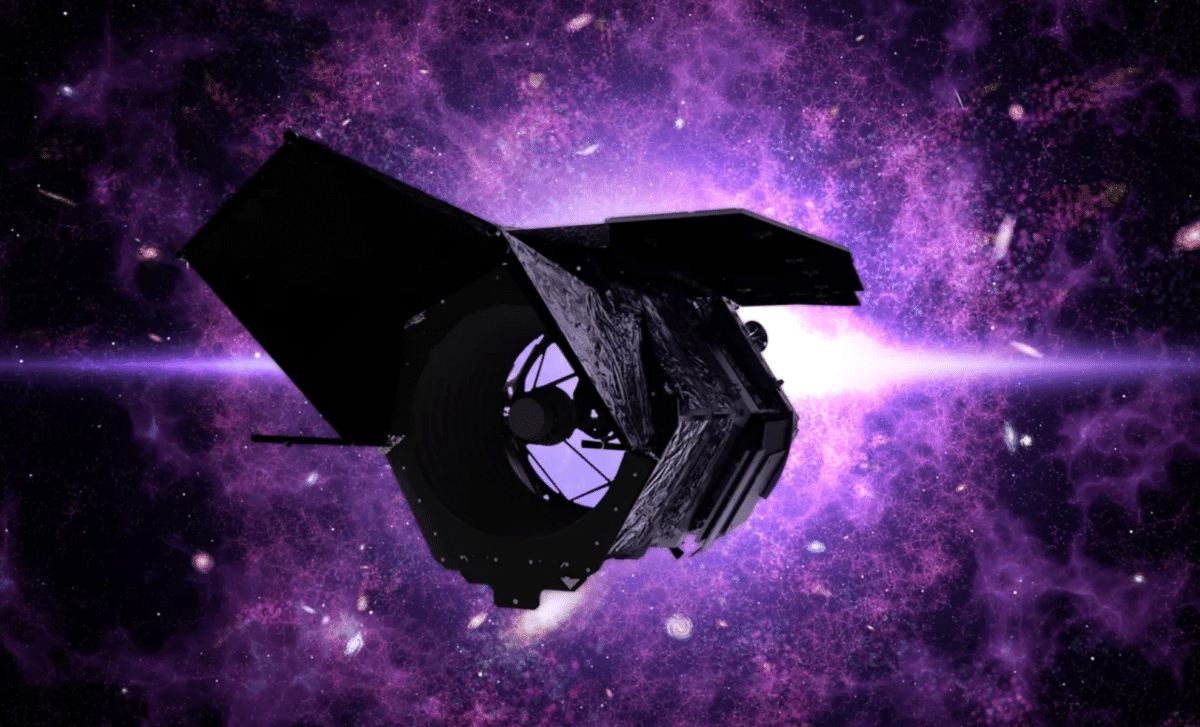
NASA has taken a significant step in the launch prep of the Nancy Grace Roman Space Telescope, moving it nearer to its goal of surveying the universe with capabilities surpassing previous space observatories.
Final Assembly Activities Begin for Roman Telescope
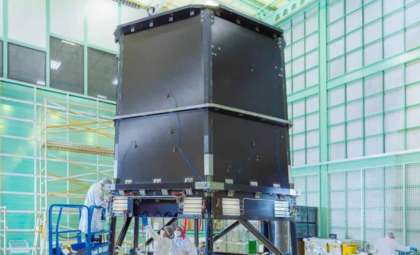
As detailed in a recent NASA update, the telescope was recently transferred from NASA’s Goddard Space Flight Center in Maryland to the Kennedy Space Center in Florida. During transit, the spacecraft was housed in a climate-controlled container to safeguard its delicate instruments.
Upon arrival, Roman was positioned inside the Payload Hazardous Servicing Facility, where specialized teams undertook preparations for its subsequent processing phases. This facility ensures a carefully regulated environment essential for handling intricate space technology before launch.

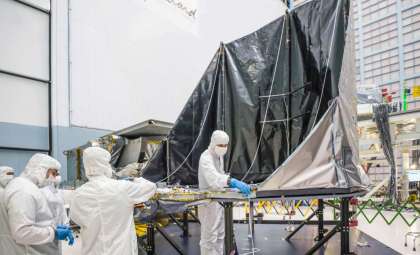
Technicians performed thorough cleaning of the airlock to eliminate contamination risks, helping to maintain pristine conditions around the telescope to guarantee optimal performance once deployed into orbit.
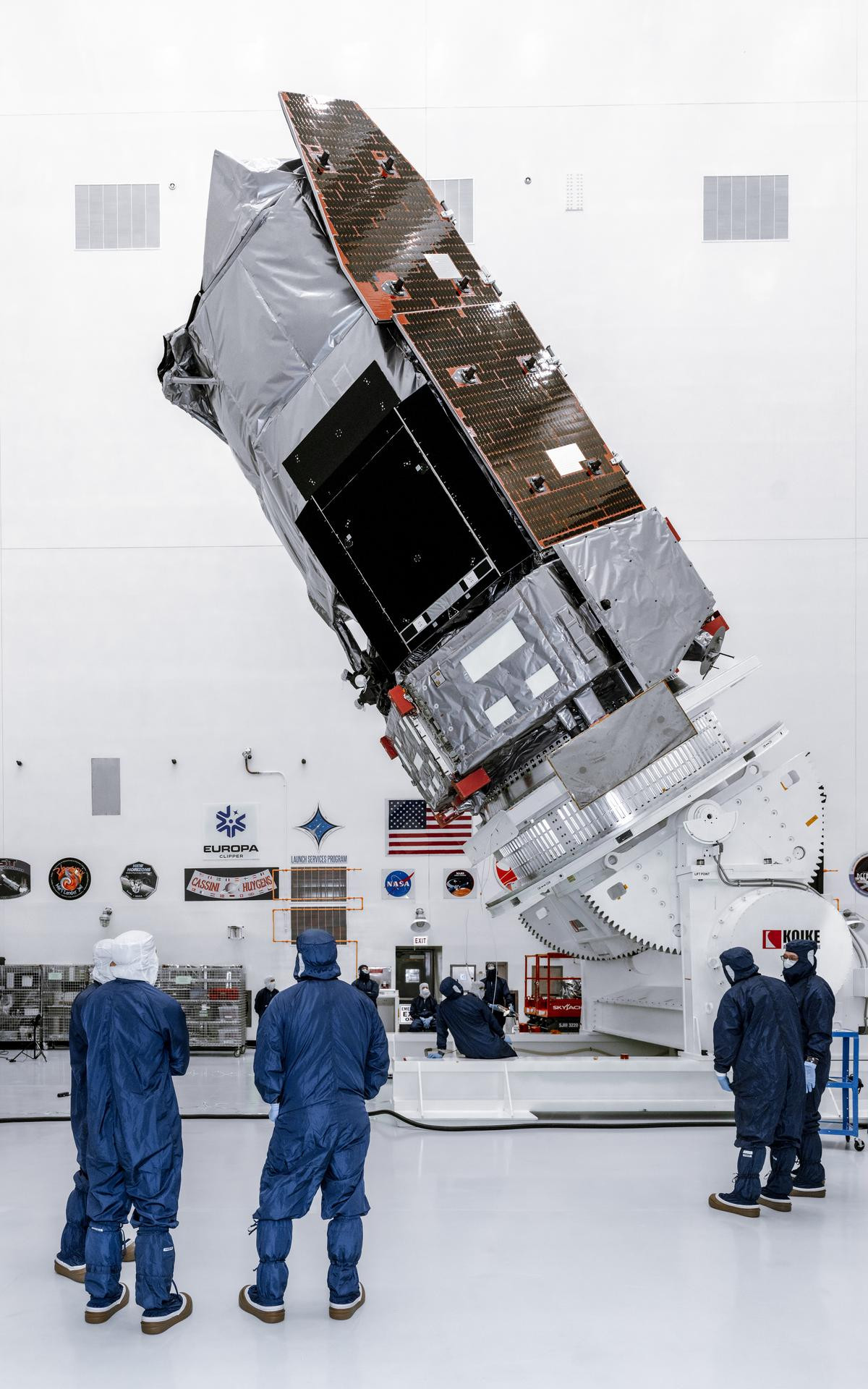
Once these steps were completed, the Roman telescope was gently extracted from its container and raised into a vertical stance within the high bay. This complex maneuver involved close coordination among engineering teams handling spacecraft safety, procedure compliance, and launch readiness.
Positioning the observatory vertically allows engineers to continue performing required inspections and tests, enabling them to verify that all systems remain mission-ready in anticipation of the demanding space environment.
Roman Telescope Will Provide Unprecedented Cosmic Surveys
The mission honors Nancy Grace Roman, NASA's pioneering first chief astronomer instrumental in the Hubble Space Telescope's creation. Its primary goal is to survey vast stretches of the cosmos with an expansive field of view.
Roman’s observational range will be at least 100 times wider than that of Hubble, enabling astronomers to study extended celestial regions with fewer telescope pointings. This capability is designed to aid in charting far-off galaxies, understanding cosmic evolution, and identifying exoplanets beyond our solar neighborhood.
By adopting a broad survey strategy, Roman will complement other space observatories by gathering enormous datasets over its operational duration. The resulting detailed cosmic maps will help uncover large-scale patterns that smaller surveys may overlook.
Key scientific objectives include investigating the enigmatic dark energy driving the universe’s accelerated expansion and advancing exoplanet discovery through innovative observational methods.
This mission enhances NASA’s portfolio of space telescopes, with Roman’s extensive sky coverage offering new insights into galaxy formation, planetary development, and the universe’s dynamic history.
Approaching Launch: A New Phase for Roman
The transition to vertical assembly marks a crucial step toward Roman’s impending launch. Engineers will persist with comprehensive evaluations as the spacecraft progresses through final tests and integration at the Kennedy Space Center.
The upcoming launch campaign will unite efforts from NASA and SpaceX, employing the Falcon Heavy rocket to deliver Roman on its journey beyond Earth.
Once commissioned in an orbit around the Sun, Roman will embark on long-term astronomical observations, offering astronomers an unprecedented perspective and a wealth of data to fuel future discoveries.
Reaching this milestone represents one of many critical phases before liftoff. As preparations advance, Roman moves steadily toward transitioning from ground-based tests to exploring the depths of the cosmos.
- Categories:
- News



0 comments
Sign in to Comment