
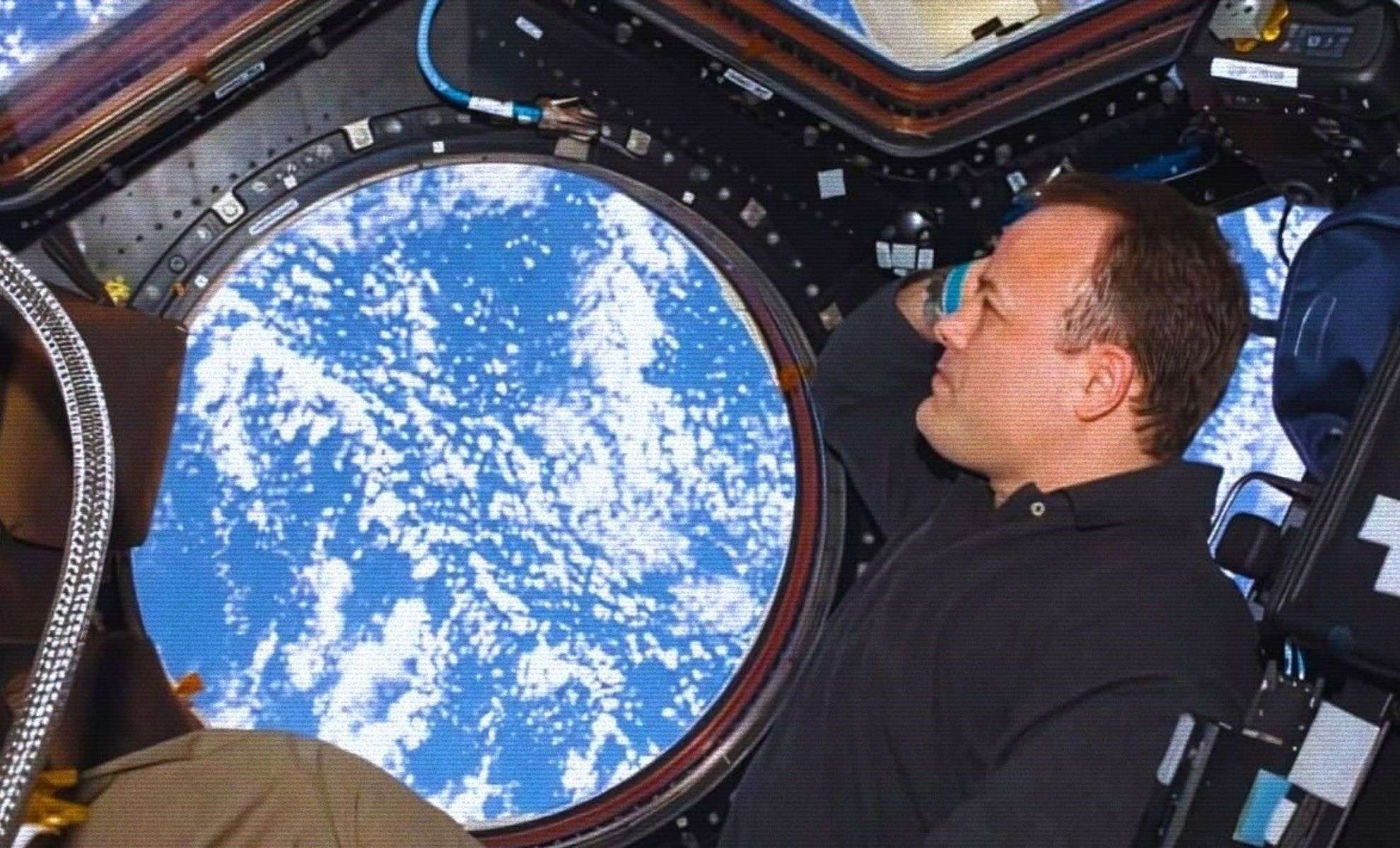
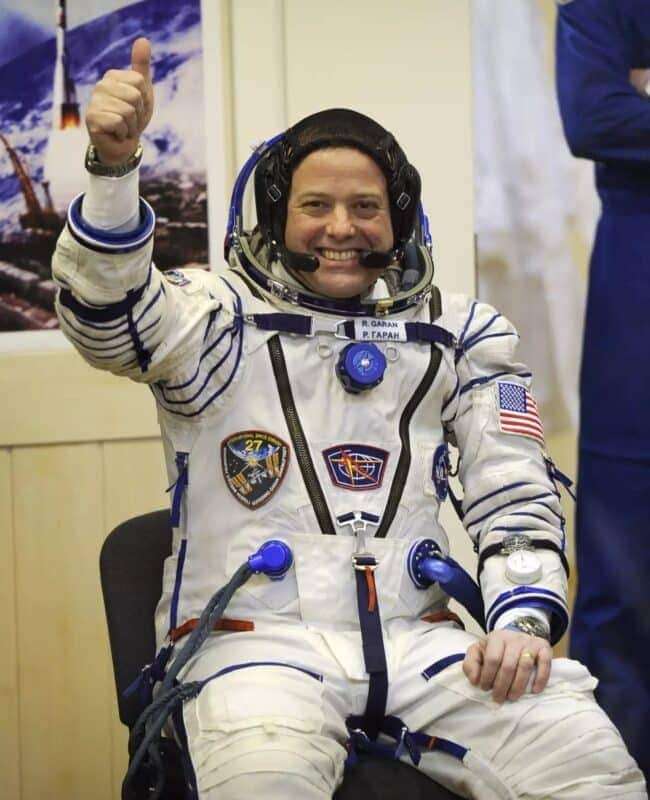
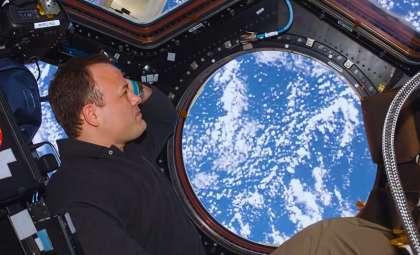
Viewing our planet from orbit reveals an undeniable reality: Earth is incredibly delicate, and humanity is sustaining a massive “deception.” Ex-NASA astronaut Ronald Garan, who spent 178 days aboard the International Space Station (ISS), offers a powerful critique of the foundations underpinning modern civilization. From his extraordinary vantage point, Garan witnessed Earth's breathtaking beauty alongside its vulnerability, uncovering a critical truth: our current systems are unsustainable. Yet, his message extends beyond criticism—it’s a rallying cry for urgent change.
The Fragile Shield Protecting Our World
During his 2008 and 2011 spaceflights, Garan was struck by Earth’s intricate and interconnected natural processes. From lightning streaking through the darkness to auroras dancing near the poles and oceans gleaming under the sun, these phenomena illuminated the delicate equilibrium that sustains life.
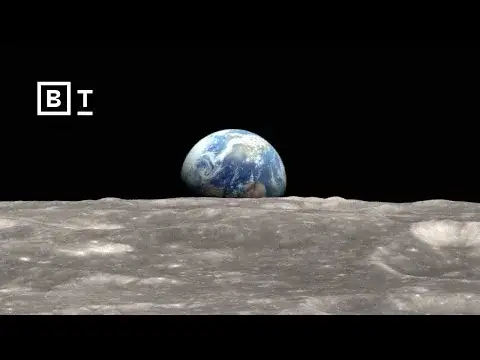
Despite this awe, a sobering fact emerged. He likened the atmosphere—Earth’s vital protective layer—as “thinner than an onion’s skin,” a fragile barrier shielding life from the harsh vacuum of space. From his perspective, human activity’s impact on this protective envelope was strikingly evident.

“From space, it becomes painfully evident that our human-made systems treat Earth’s vital systems as mere subsidiaries of the global economy.”
This powerful realization led Garan to a profound understanding: our priorities are fundamentally misaligned.
The Global Economy’s Dangerous Fallacy
Garan contends that the worldwide economic system rests on a perilous misconception: that economic expansion outweighs the health of our environment and communities. This belief, he explains, disregards Earth’s finite ecosystems and resource limits.
“We’re living a lie. The economy shouldn’t govern our existence; it should serve the planet.”
To ensure longevity for humanity, Garan advocates for a dramatic shift in values: putting planet first, people second, and economy third. He stresses that this reordered hierarchy is essential for true sustainability.
Pathways from Awareness to Sustainable Change
While Garan’s insights reveal a critical global predicament, they also present actionable solutions. He argues it’s still possible to change course. Here are some practical measures to align human systems with Earth's necessities:
- Revise economic frameworks
Policy makers should prioritize environmental conservation over immediate financial gain. This involves boosting investments in renewable technologies, winding down fossil fuel usage, and enforcing stricter regulations against polluters. - Implement circular economic models
Transitioning from a disposable, linear model to a circular economy—emphasizing reuse and minimizing waste—can drastically cut ecological damage. Nations like the Netherlands stand at the forefront of this transformation. - Redefine progress metrics
It's vital to move past GDP as the dominant success indicator. Alternative measures like the Genuine Progress Indicator (GPI) integrate environmental sustainability, societal welfare, and fairness. - Promote individual responsibility
Everyone can help by reducing single-use plastics, embracing mindful consumption, and supporting eco-friendly community efforts.
“There’s no such thing as ‘them.’ There’s only us.”
These words encapsulate Garan’s conviction that humanity must unite to confront climate change and environmental challenges collectively.
A Collective Duty: Mobilizing Governments and People
Although international commitments such as the Paris Agreement and the European Green Deal mark progress, Garan believes even greater ambition is needed. Governments, industries, and citizens alike must adopt a planet-first mindset to safeguard Earth’s future.
On a personal level, small efforts accumulate. From community volunteering to spreading sustainability awareness, individual actions contribute meaningfully. Garan’s vision underscores that transformative change begins with everyone.
A Message from Orbit: Are We Ready to Act?
Ronald Garan transcends mere criticism of past errors—he offers a vision for our collective future. He urges us to move beyond divisions and forge a new global ethos where the environment, society, and economy coexist harmoniously.
Ultimately, the choice rests with us: will we persist in embracing the “illusion,” or will we acknowledge reality and undertake the necessary steps for a sustainable tomorrow?







0 comments
Sign in to Comment