
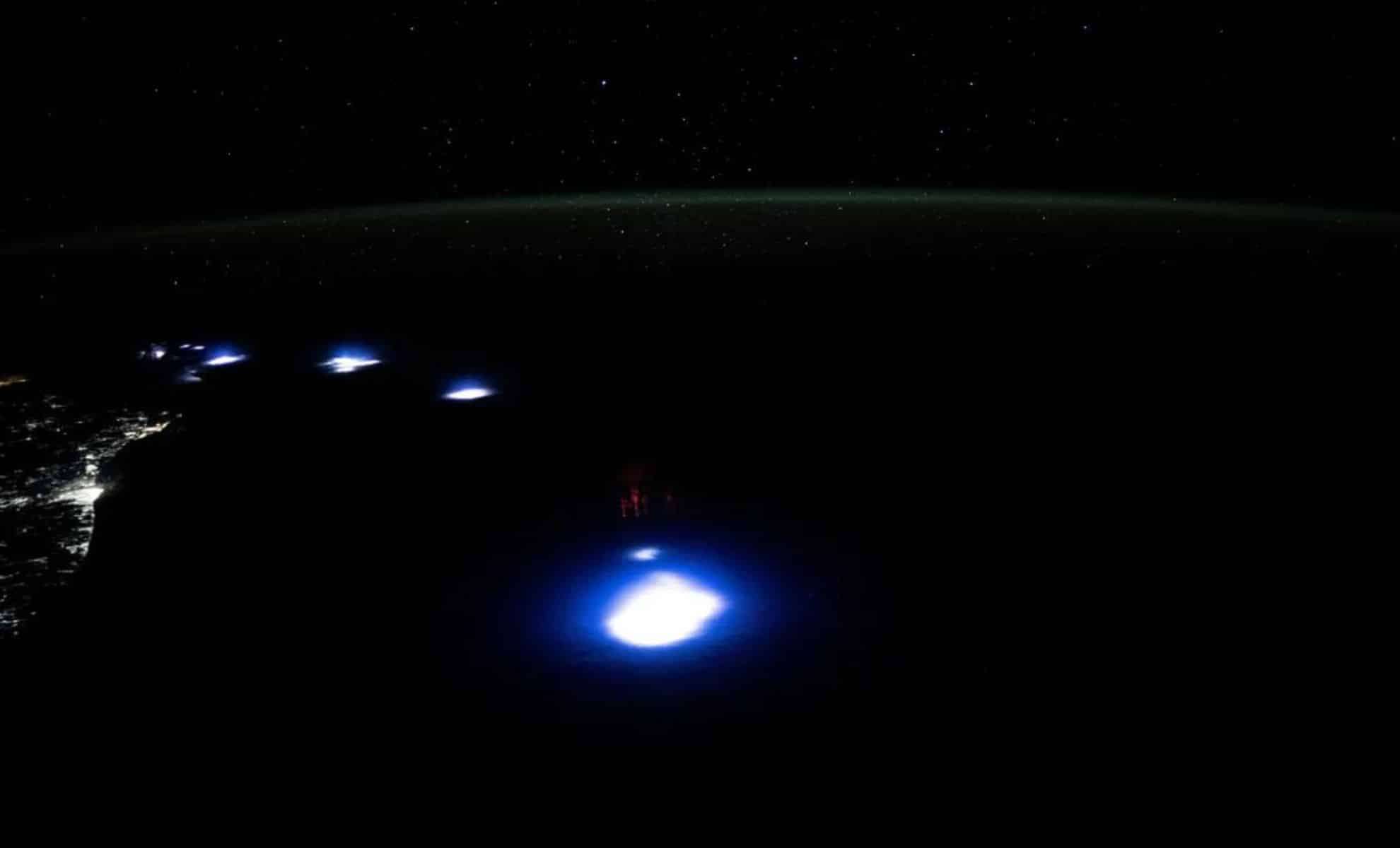
NASA astronaut Matthew Dominick has snapped breathtaking images of red sprites, rare atmospheric light displays, from aboard the International Space Station (ISS).
These fleeting red flashes were seen above storms near South Africa’s coastline, offering a unique window into these rarely documented events.
What Are Red Sprites?
Red sprites are bright red-orange bursts occurring between 50 and 90 kilometers (31 to 56 miles) altitude. They are triggered by powerful lightning strikes in thunderclouds, which cause atmospheric nitrogen to react with electric charges. This reaction produces a glowing red effect, often taking the form of plume-like structures and filamentous tendrils. Red sprites belong to a wider family of transient luminous events (TLEs), which display various colorful flashes above storm systems.

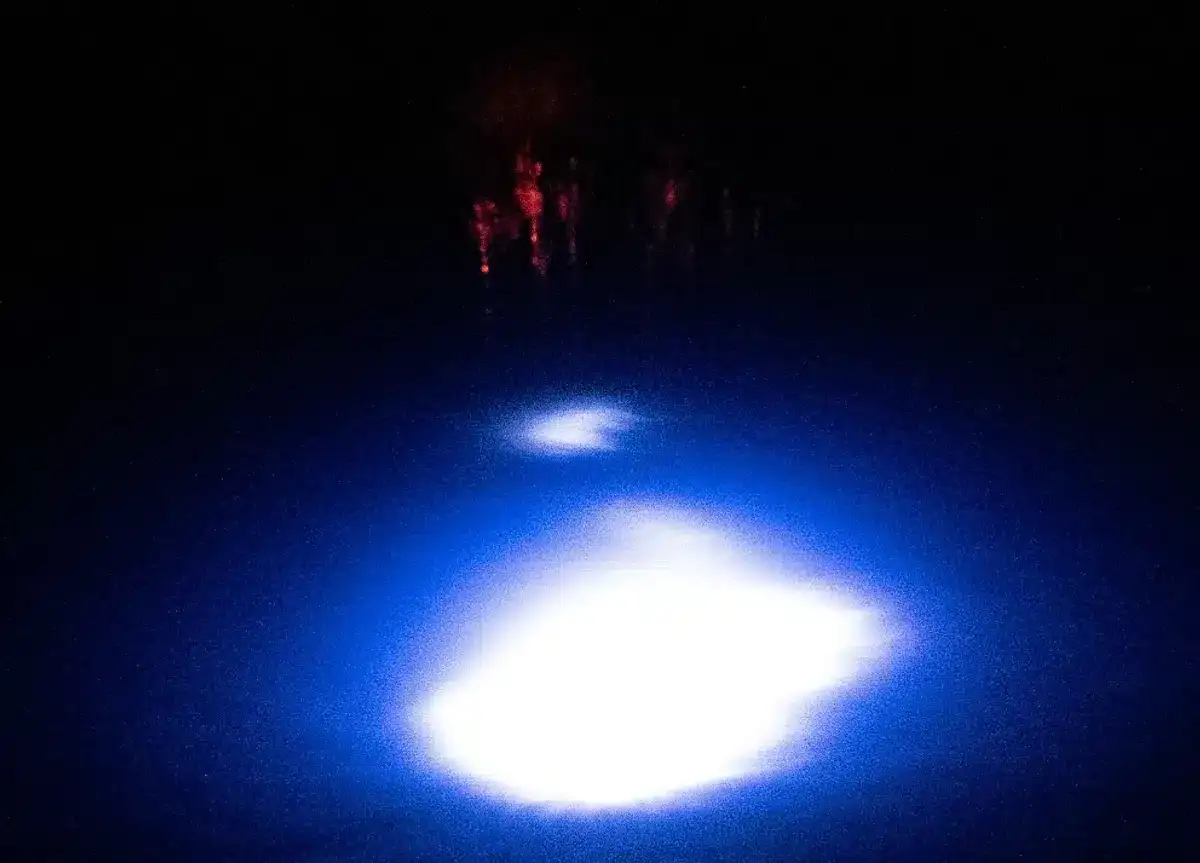
Although visually striking, red sprites remain an atmospheric mystery. Their high-altitude location makes them mostly invisible from the ground, requiring observation platforms such as high-flying aircraft or satellites for direct study.
Viewing the Phenomenon From Orbit
Dominick’s June 3, 2024 photograph captures a thunderstorm line topped with vivid red sprites. The ISS's orbit offers a clear vantage point of Earth's upper atmosphere, allowing long-exposure photography to reveal these short-lived but spectacular lights.
Astronauts commonly use wide-angle lenses to record TLEs during Earth time-lapse sessions. Instruments like the Atmosphere-Space Interactions Monitor (ASIM) mounted outside the station collect detailed data by employing cameras, photometers, and detectors sensitive to X-rays and gamma rays. This comprehensive monitoring aids scientists in deciphering the conditions needed for red sprite formation and understanding their effects on the upper atmospheric environment.
ASIM’s Contribution and Continued Research
The Atmosphere-Space Interactions Monitor (ASIM) is instrumental in detecting and analyzing TLEs from the ISS. Equipped with sophisticated sensors, ASIM gathers precise information about the timing, size, and intensity of red sprites and related phenomena. This data supports the development of better predictive models and a deeper grasp of these atmospheric occurrences.
NASA’s crowd-based initiative, Spritacular, engages the public in submitting photos of sprites and other TLEs. This collective effort bridges the gap between random public sightings and formal research. “People capture wonderful images of sprites, but they’re shared sporadically over the internet and most of the scientific community is unaware of these captures,” explained Dr. Burcu Kosar, a space physicist at NASA’s Goddard Space Flight Center and principal investigator of Spritacular. The amassed imagery allows scientists to study sprite formation conditions and gain clearer insights into their underlying physics.
TLEs Beyond Earth
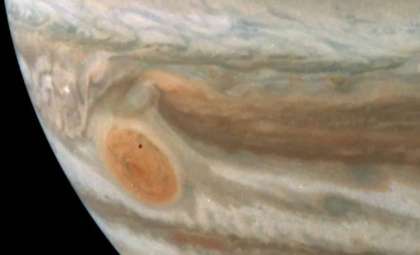
Red sprites are not unique to Earth. Similar electrical bursts resembling lightning have been spotted on Jupiter, where the hydrogen-rich atmosphere makes these events appear blue instead of red. This indicates that TLEs are likely widespread among planets with suitable atmospheric conditions in our solar system. Investigations of Earth’s sprites can enhance our understanding of atmospheric dynamics on other worlds.
The images captured by astronaut Matthew Dominick reveal a rare spectacle of red sprites, enriching the knowledge about these fleeting light shows. Through continued space-based monitoring and initiatives like Spritacular, scientists hope to unravel more secrets about these mysterious phenomena, emphasizing the value of ongoing space observations and public engagement in space science.
- Categories:
- Astronomy ,
- News ,
- Space ,
- Nasa







0 comments
Sign in to Comment