
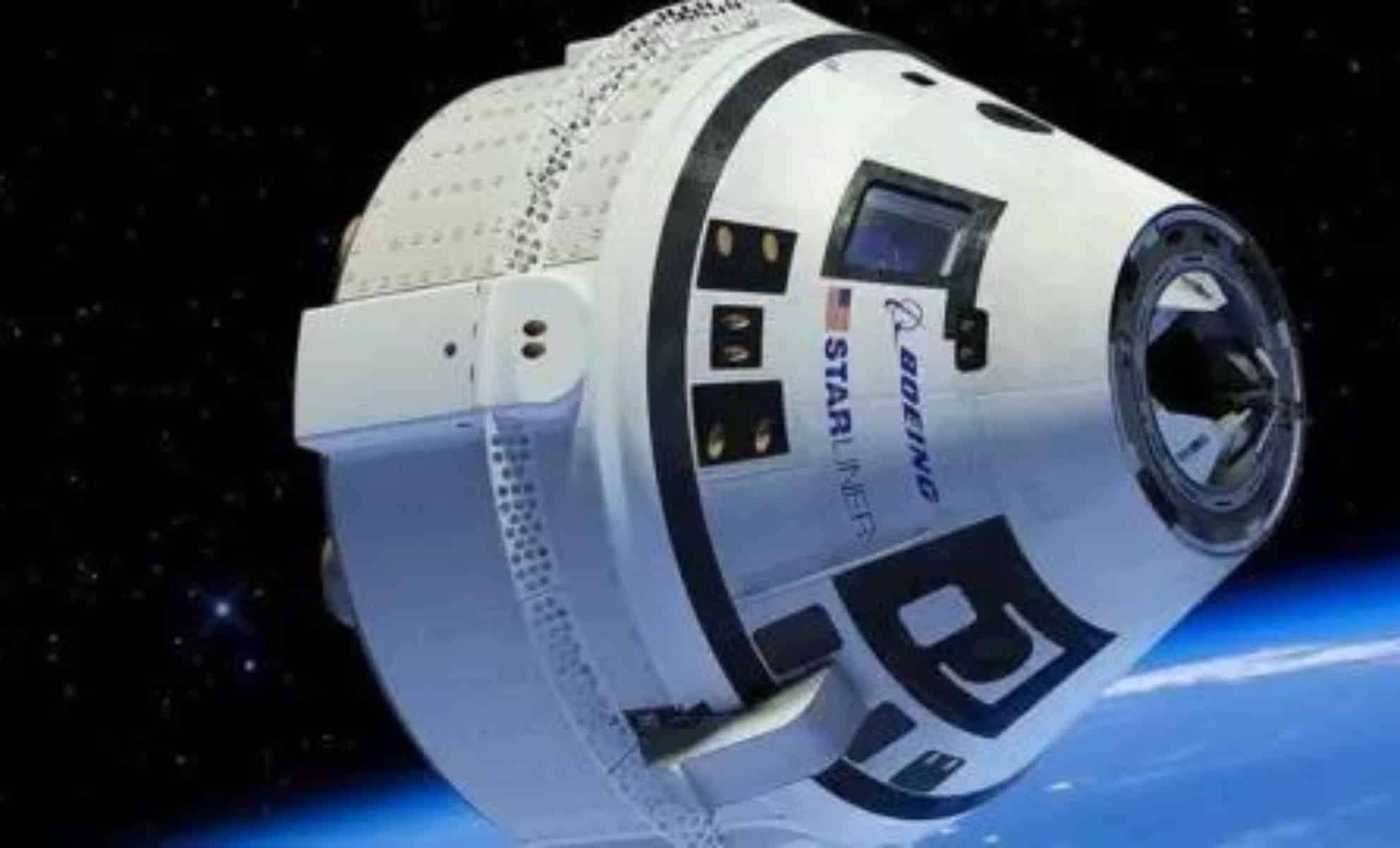
Boeing’s inaugural crewed Starliner journey to the International Space Station (ISS) has encountered a postponement in its scheduled return.
Originally set to conclude on June 18, the mission’s end has now been shifted to June 22. This postponement extends the astronauts' time aboard the ISS, allowing additional opportunities for essential testing and data gathering, underscoring the intricate nature of human spaceflight endeavors.
Mission Details and Earlier Postponement
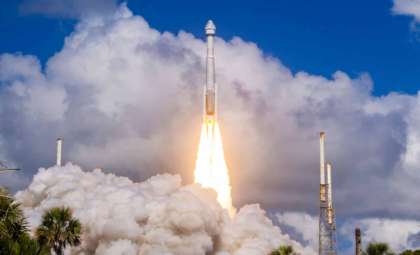
The Crew Flight Test (CFT) for the Starliner vessel launched on June 5, 2024, carrying NASA astronauts Butch Wilmore and Suni Williams. The spacecraft docked successfully with the ISS the following day, beginning a planned week-long series of in-orbit assessments intended to thoroughly evaluate the spacecraft’s systems.

The mission was first rescheduled to June 18 to accommodate more time for the ISS crew to prepare for a planned extravehicular activity (EVA) on June 13. That EVA was eventually called off because of “spacesuit discomfort” experienced by astronauts Tracy Dyson and Matt Dominick.
Mark Nappi, vice president and program manager of Boeing’s Commercial Crew Program, highlighted the mission’s adaptable design, saying, “We built the CFT mission with potential delays in mind, ensuring sufficient flexibility and time to maximize learning opportunities for all partners involved.”
Prolonged ISS Stay and Additional Evaluations
With this latest adjustment, Wilmore and Williams will remain aboard the ISS for four extra days, totaling just over two weeks in orbit. During this extended duration, the crew will perform further Starliner systems checks, including a “hot-fire” test engaging seven of the spacecraft’s eight aft thrusters and detailed verification of the hatch mechanisms. They will also engage in “safe haven” drills, preparing the capsule for possible emergency conditions. These assessments are essential to confirm the Starliner’s reliability and suitability for longer missions.
Steve Stich, manager of NASA’s Commercial Crew Program, emphasized the value of the extended stay: “This additional time enables us to deepen our understanding of Starliner’s capabilities as we move toward the eventual objective of six-month missions docked to the space station.” He pointed out that these extra tests yield data uniquely relevant to the mission’s specific timing and environment.
The rescheduling of Starliner’s return highlights the intricacies of spaceflight operations. NASA and Boeing are utilizing this extended timeframe to enhance testing and maximize data collection that will benefit upcoming missions. The original mission plan anticipated potential schedule shifts, providing ample onsite time to adapt as needed.
Mark Nappi reiterated the significance of this extended opportunity: “Spending additional time at the station lets us conduct more evaluations and obtain critical data that are unique to this mission’s circumstances. The purpose has always been to gather as much insight as possible to support the long-term success of the Starliner program.”
NASA has arranged a press event for June 18 to discuss updated return plans and to evaluate weather forecasts for the targeted June 22 touchdown. This prolonged stay benefits not only the current efforts but also prepares the team for Starliner’s future extended missions at the ISS.
Future Perspectives
As Boeing and NASA continue to navigate these scheduling changes, their priority is the safety and success of the astronauts and vehicle. The additional days aboard the ISS enable more thorough testing, strengthening the Starliner program’s foundation. With successive missions, Boeing advances toward delivering a dependable crew transport solution aligned with NASA’s broader space exploration initiatives.
While the delay presents some challenges, it also offers a valuable chance to collect in-depth data and fine-tune the spacecraft’s capabilities, aiding future flights. “Every extra day on station helps us improve and validate our systems, which is vital for upcoming missions,” Nappi commented.
Approaching the new June 22 return target, both Boeing and NASA remain dedicated to leveraging this additional time to enhance mission outcomes and propel advancements in spaceflight technology and exploration. The experiences and information gathered during this extended mission will be critical in refining Starliner’s performance and readiness.
- Categories:
- Astronomy ,
- News ,
- Space ,
- Nasa ,
- Aircraft







0 comments
Sign in to Comment