
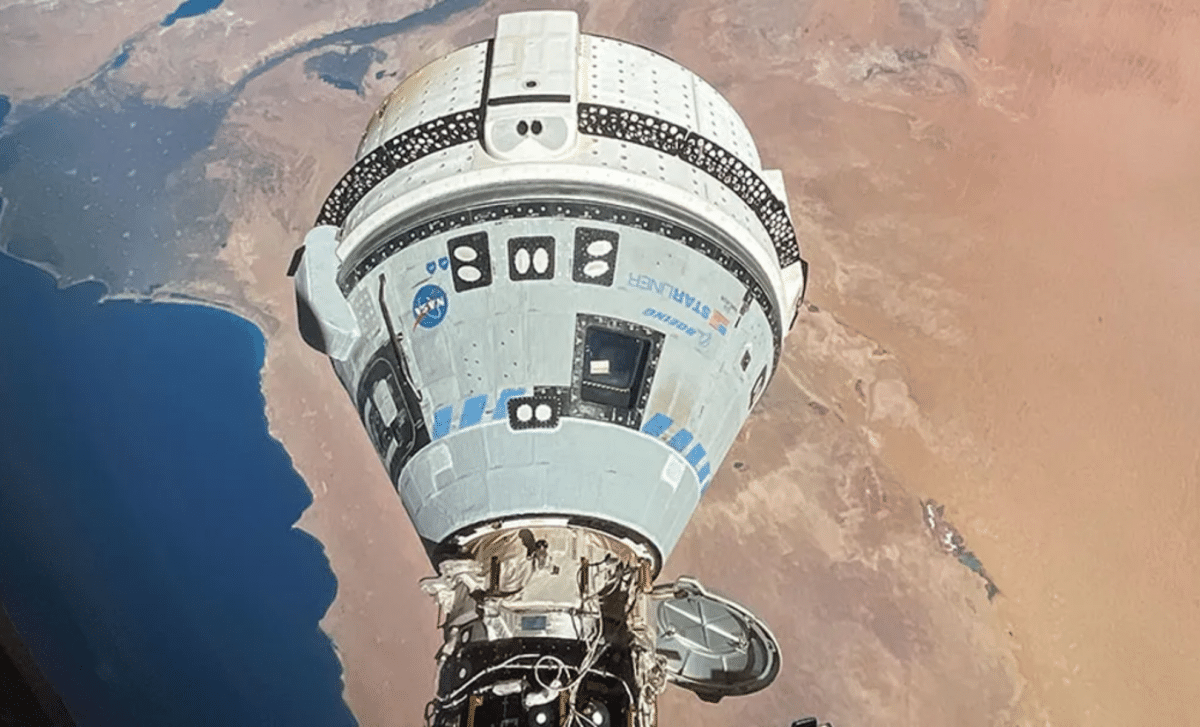
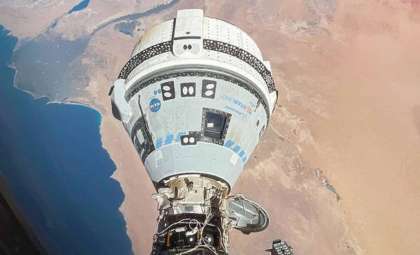
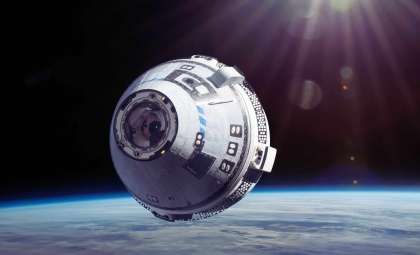
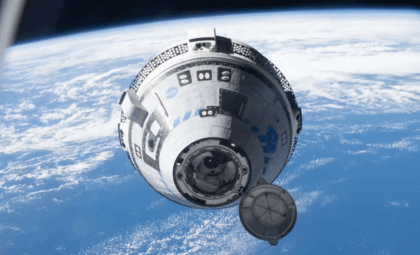
NASA and Boeing are pressing forward with the upcoming Starliner flight amid ongoing technical difficulties and the absence of a confirmed launch timeline. As detailed by SpaceFlightNow, the Starliner-1 mission remains under evaluation while engineers work to fix lingering propulsion issues uncovered during the vehicle’s earlier Crew Flight Test. This commitment underscores NASA’s intent to sustain a secondary American crew transport option to the International Space Station despite mounting delays and questions about the spacecraft’s operational potential.
Ongoing Technical Challenges Continue to Influence Starliner’s Development
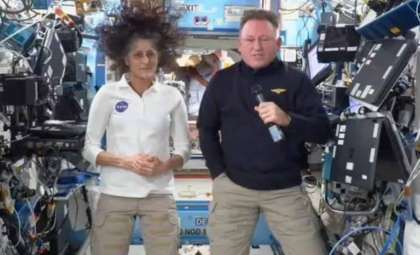
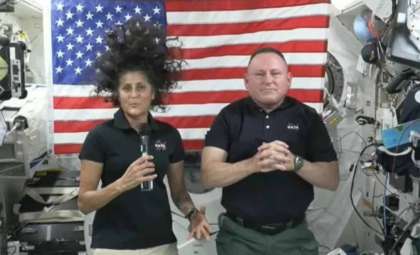
More than two years after a closely examined Crew Flight Test, Boeing and NASA are still addressing problems revealed by that mission. Several reaction control thrusters failed during approach to the International Space Station, complicating the mission for astronauts Butch Wilmore and Suni Williams. In addition, helium leaks and other anomalies were identified, prompting NASA to opt for a return via SpaceX Dragon instead of the Boeing spacecraft.
During a public session of the Aerospace Safety Advisory Panel, former NASA astronaut Kent Rominger updated the status of recovery efforts. He noted, “NASA and Boeing remain focused on achieving crew certification for Starliner, determining the requirements and acceptability for the next uncrewed flight to mitigate risks and verify readiness for crewed missions. The planned Starliner-1 uncrewed launch date is under review as challenges with the propulsion system are addressed.”

NASA and Boeing Overhaul Oversight After Investigation Outcomes
The technical issues were compounded by organizational and management shortcomings identified in a thorough Crew Flight Test investigation. Investigators found that insufficient oversight, engineering process gaps, and internal cultural factors within both agencies undermined the rigorous technical evaluations needed for critical decision-making.
Rominger shared that substantial reforms have been undertaken, explaining,
“The Commercial Crew Program governance model has been updated to provide clarity in roles and responsibilities during missions. Compulsion System Delta Qualification Review Team has been established to ensure a comprehensive qualification plan is in place prior to flight and the integrated Boeing and NASA teams have made good progress closing all 72 flight observations and 22 of the 28 implied anomalies from CFT.”
These changes aim to enhance accountability and foster better communication among program leadership, safety personnel, and engineering teams. The reforms address not only the technical faults but also seek to prevent similar problems in future missions. The investigation represented one of the most critical reviews of the Commercial Crew Program since its inception, marking these fixes as key steps toward Starliner’s recovery.
Further SpaceFlightNow coverage highlighted ongoing examination of thermal issues affecting the spacecraft’s thruster housings, a technical challenge that remains to be resolved ahead of the next launch attempt.
Former NASA astronaut Kent Rominger confirmed that Boeing and NASA remain fully committed to the uncrewed Starliner-1 return-to-flight mission, though the launch target is under review as teams work to resolve remaining propulsion anomalies. https://t.co/R6lRCeuF13 #NASA #Space…
— Orbital Insights (@orbital_station) June 24, 2026
Reestablishing Confidence Between NASA, Boeing, and Astronaut Crew
Resolving hardware and software issues is just one piece of the puzzle. Renewing trust following the Crew Flight Test is another major hurdle. The test exposed tensions between NASA and Boeing teams from the perspectives of astronauts, officials, and safety experts. Since then, leadership has shifted and strategies to improve communication have been implemented to restore this vital confidence.
Rominger highlighted Boeing’s leadership stepping up to enhance collaboration with NASA and astronaut representatives. He said,
“During a quarterly review at [NASA’s Kennedy Space Center], the chief of Boeing Aerospace Safety, Don Newman, made the effort to talk with the panel and emphasize Boeing’s commitment to NASA and Starliner. The Astronaut Office also commented that they appreciated the fact that Don reached out to them with his commitment to a safe Starliner service.”
Confidence is fundamental for manned spaceflight. Astronauts need to believe not only in their spacecraft but in the teams behind its creation and certification. NASA’s continued backing suggests agency leaders feel Boeing is making significant strides to resolve both technical and cultural issues. Nevertheless, the true test will be the upcoming flights and whether these efforts translate into dependable operation.
Time Pressures Mount as ISS Faces Growing Operational Risks
Starliner’s delays coincide with increasing concerns about the future of the International Space Station. Expected to function at least through 2030, the lab’s aging infrastructure poses growing maintenance challenges.
At the same panel meeting, retired Air Force Lieutenant General Susan Helms cautioned about the financial and operational risks confronting NASA. She said,
“Coincident with operational demands and these risk management challenges, temptation to reduce the ISS budget looms, but the panel would caution that such temptations should be disregarded as budgets decline.”
Helms also provided a frank evaluation of the station’s safety margins, saying, “It is increasingly difficult for NASA to ensure the ISS risks remain manageable for day-to-day operations with enough contingency margin. The ISS program team continues to perform an outstanding job of managing those risks, but the margin to do so is now reduced to an alarming level.”
These factors amplify the urgency of NASA’s crew transport plans. Dependable crew spacecraft are essential for maintaining access to the station during its remaining years. Each Starliner delay narrows the opportunity for the vehicle to contribute before the ISS retirement.
SpaceX Extends Dominance While Starliner Stays Grounded
Meanwhile, SpaceX continues to strengthen its position as NASA’s primary crew carrier. Recent NASA contracts indicate a heavier reliance on SpaceX’s Dragon missions due to Boeing’s setbacks.
NASA stated, “It is necessary to award additional PCMs to SpaceX given the recently shortened ISS mission durations; technical issues and schedule delays encountered by Boeing; the allocation of missions between Boeing and SpaceX; NASA’s projections for when an alternative CTS [Crew Transportation System] may become available; and the ongoing technical challenges of maintaining a reliable CTS capability for crewed flights to ISS.”
The agency also stressed the importance of redundancy in its transportation system, explaining, “Awarding additional PCMs to SpaceX is essential for NASA to fulfill its responsibility of maintaining uninterrupted flight access for ISS’s safe operation and to safeguard against potential anomalies or mishaps, and unforeseen external factors.”
These developments underscore today’s Commercial Crew reality: SpaceX has emerged as the dependable workhorse for ISS crew transport, while Boeing strives to demonstrate Starliner’s viability. The outcome of Starliner-1 will be pivotal in determining Boeing’s future role in U.S. human spaceflight before the ISS program concludes.
- Categories:
- News



0 comments
Sign in to Comment