
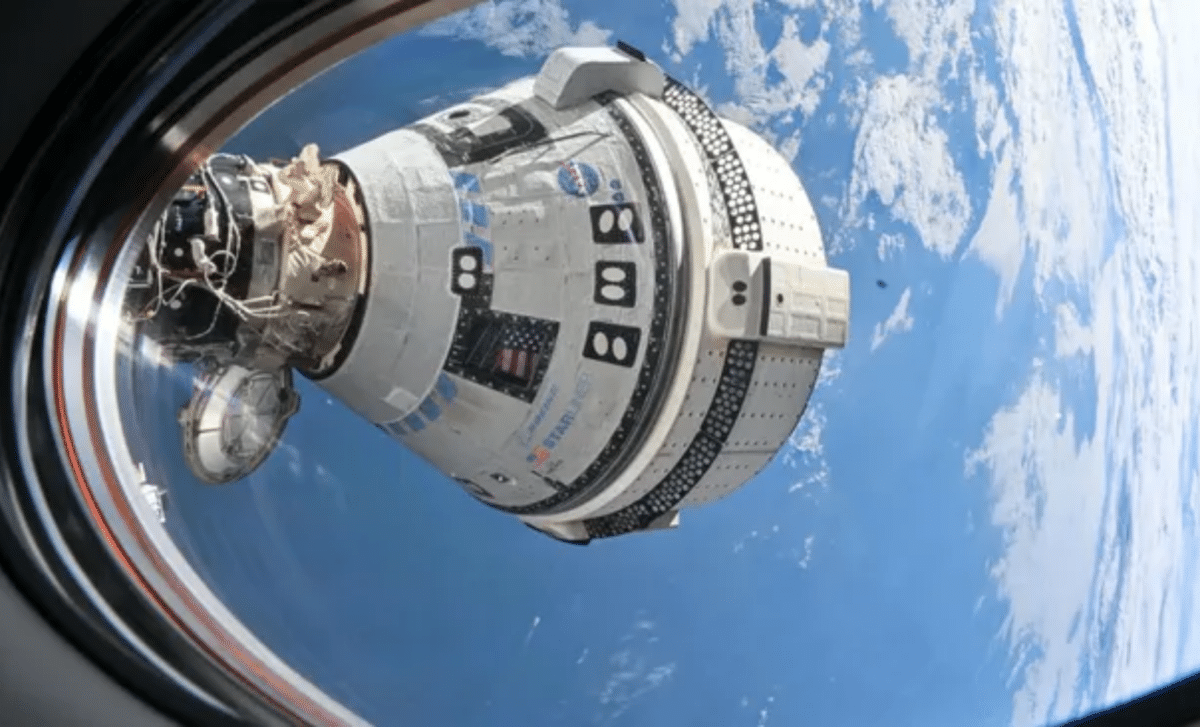
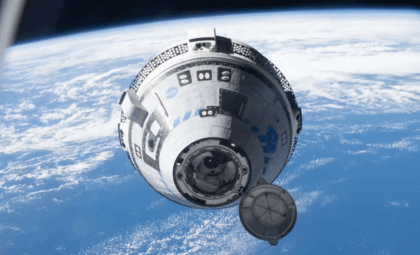
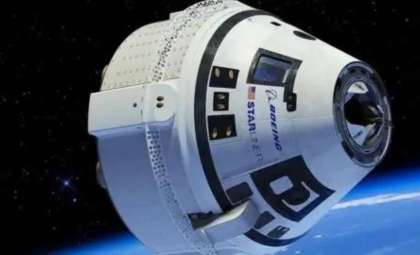
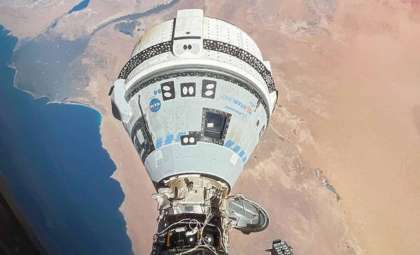
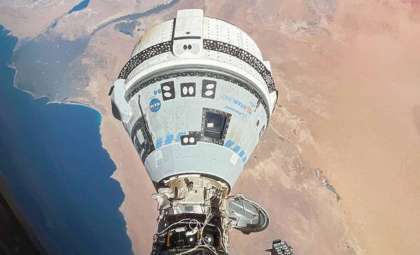
NASA's Starliner spacecraft has encountered numerous obstacles in its quest to become a dependable vehicle for astronaut transport to the International Space Station (ISS). Yet, despite these difficulties, NASA aims to launch an uncrewed Starliner mission in April 2026, with potential crewed flights slated for the fall of the same year. Persistent technical challenges continue to cast uncertainty over these timelines. Steve Stich, NASA’s commercial crew program manager, expresses cautious optimism while recognizing that significant work remains before Starliner can meet its essential mission criteria.
Starliner-1: A Pivotal Mission Toward Certification
The Starliner spacecraft has struggled with multiple faults since its initial demonstration flights, making its certification process anything but straightforward. Initially intended as a crewed mission, Starliner-1 has been redesignated as an uncrewed cargo delivery flight due to ongoing complications such as helium leakage and thruster issues, which have delayed its approval for transporting astronauts.
Teams at NASA and Boeing are diligently tackling these problems. Focus has been placed on the propellant system, a source of previous malfunctions. To combat helium leaks discovered in past missions, the team is replacing seals with corrosion-resistant materials suited to withstand nitrogen tetroxide exposure, a highly corrosive oxidizer used in the system. Additionally, exhaustive testing of the spacecraft’s thrusters continues to better understand and correct past failures.

As Steve Stich, NASA’s commercial crew manager, stated, “We want to work through and get through Starliner-1 into the summer timeframe and then see where we’re at.” This remark underscores NASA's prudent approach, balancing spacecraft readiness with meticulous testing before committing to crewed missions.
Overcoming the Hurdles to Crewed Flight Approval
The certification journey for crewed Starliner flights remains lengthy. Although Starliner-1 is now designated as an unmanned mission, it will be a critical test for verifying the spacecraft’s operational capabilities. A successful cargo delivery to the ISS would build confidence for future astronaut missions. Nonetheless, the spacecraft must still pass stringent safety inspections and satisfy NASA’s demanding standards before carrying crew members.
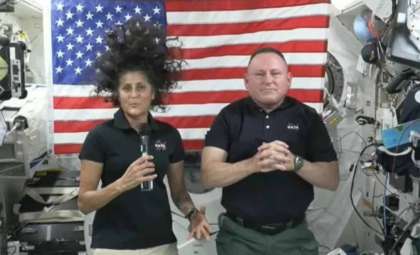
Steve Stich highlighted the flexible nature of the timeline, stating, “We have crews in training for both missions.” This signals NASA’s preparedness for missions involving both Starliner and SpaceX vehicles, with crews being trained accordingly. Yet, unresolved technical issues must be fixed, and Starliner must conclusively demonstrate its astronaut safety before any crewed voyage happens.
Boeing’s Obstacles and Implications for Space Travel
Boeing’s Starliner has been under high scrutiny due to setbacks encountered early on. Competing with SpaceX’s Crew Dragon, Starliner faces the challenge of meeting NASA’s stringent requirements and timelines. The delays and mechanical troubles have fueled concerns about Boeing’s ability to deliver on schedule. Nevertheless, Boeing remains committed to fixing issues in close cooperation with NASA.
The future of human spaceflight depends heavily on spacecraft that can reliably ferry astronauts to the ISS and beyond. NASA’s faith in Boeing’s capacity to meet this challenge is being tested, but collaboration remains strong as both organizations work toward shared objectives. The success or failure of Starliner’s upcoming missions will significantly influence the landscape of crewed space exploration.
- Categories:
- News





0 comments
Sign in to Comment