
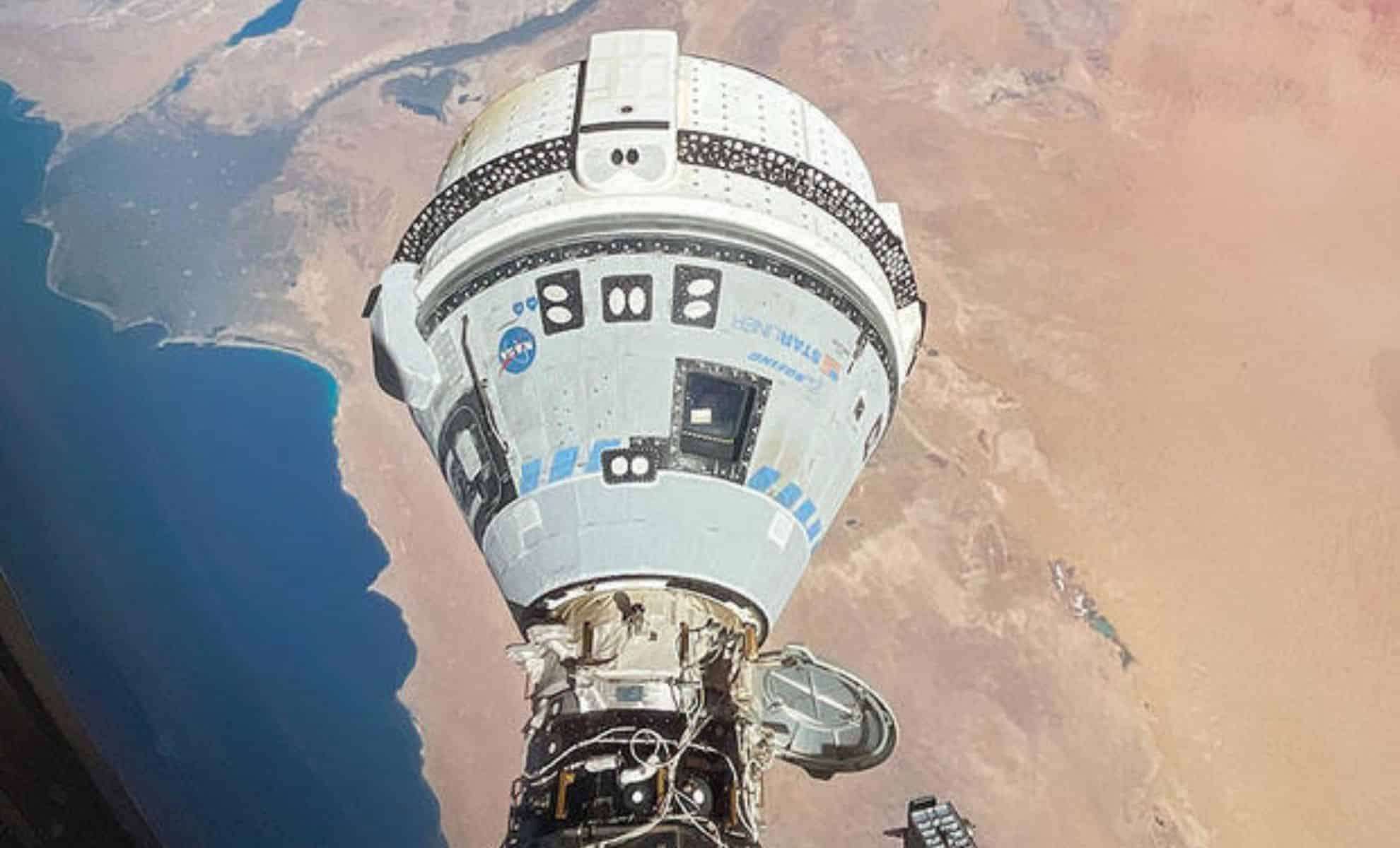
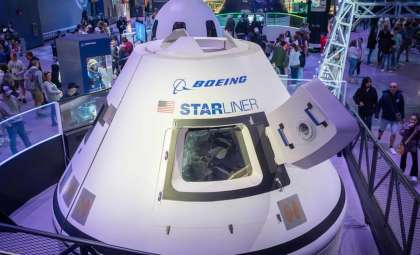
Boeing and NASA have announced a further postponement in the Starliner spacecraft’s crewed test flight return, extending its mission duration.
Despite this extension, NASA confirms that astronauts Butch Wilmore and Suni Williams remain safe aboard the spacecraft. This delay underscores NASA and Boeing’s dedication to guaranteeing the highest safety standards and dependability of their space exploration efforts.
Comprehensive Evaluation of Starliner’s Thruster System
The Starliner vehicle, known as Calypso, was initially set for a nine-day mission after its June 5, 2024 launch. Instead, it has been in orbit for 24 days and will stay docked at the International Space Station (ISS) into the following month.

Boeing and NASA are conducting detailed ground tests at the White Sands Test Facility in New Mexico to simulate conditions experienced during flight. This rigorous assessment focuses on analyzing the spacecraft’s thruster system. NASA’s Commercial Crew program manager, Steve Stich, stated, “We anticipate these tests will last a couple of weeks as we replicate flight conditions as accurately as possible on Earth.”
Why the Mission is Paused
While approaching the ISS, the Starliner capsule encountered thruster malfunctions, prompting NASA and Boeing to undertake detailed troubleshooting activities. Nonetheless, officials stress the vehicle can safely return to Earth if needed.
Steve Stich clarified, “It’s important to note that Butch and Suni are not stranded in orbit.” The postponement is designed to ensure all thruster concerns are fully understood and addressed, not due to any immediate danger. Testing is slated to begin around July 2, expected to last roughly two weeks, although this timeline may adjust based on findings.
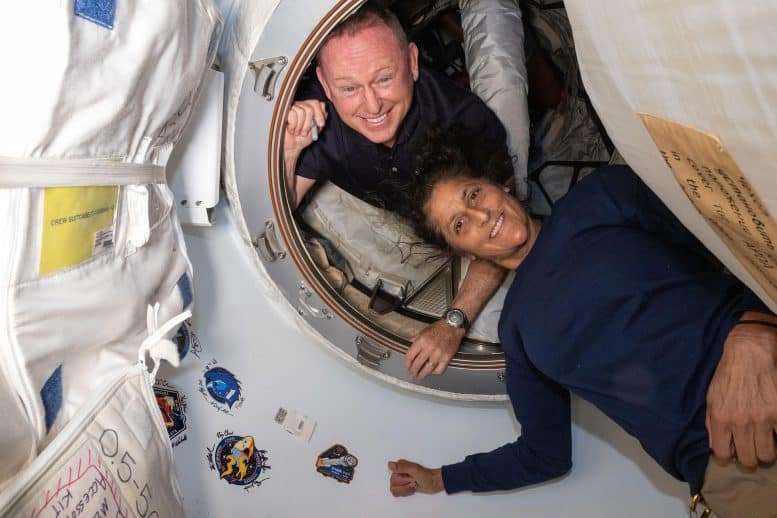
During docking with the ISS on June 6, the spacecraft experienced both helium leaks and thruster complications. NASA and Boeing extended the mission to perform a thorough evaluation of the thruster system and safeguard crew safety. Mark Nappi, Boeing’s Vice President for the Starliner program, emphasized, “We’re not stuck on ISS. The crew remains safe, and there’s no increased risk while we prepare for their return.”
Starliner Versus SpaceX Dragon
Starliner was developed to serve as an alternative to SpaceX’s Dragon spacecraft, which has made 12 crewed ISS trips over four years. However, ongoing technical challenges have placed Starliner in a supporting role for now. NASA intends to alternate future astronaut flights between SpaceX and Boeing after Starliner secures certification.
Despite the setbacks, confidence remains high. Boeing’s Mark Nappi shared, “Once testing is complete, we’ll ensure everything is in order before bringing the crew home safely.”
Looking Ahead with Confidence
This extended mission phase is critical for NASA’s certification of Boeing for operational crew missions. Even with delays, NASA and Boeing leaders affirm their trust in Starliner’s safety and mission capabilities.
Designed for missions lasting up to 210 days, the current testing will provide vital insights into the spacecraft’s thruster system. Steve Stich noted, “This is a key chance to examine thruster performance both in orbit and with detailed inspections on the ground. Afterward, we’ll finalize the landing plan.”
Mark Nappi reassured the public that astronauts Wilmore and Williams are safe and that extending the mission is a proactive approach to collecting essential data. The return schedule will be confirmed after completion of these thorough evaluations, ensuring the spacecraft operates flawlessly.





0 comments
Sign in to Comment