
In September 2024, Hurricane Helene unleashed powerful winds and heavy rainfall along Florida’s coast. Beyond its terrestrial impact, NASA observed an extraordinary effect occurring 55 miles above Earth—dynamic wave patterns in the upper atmosphere triggered by the storm’s intensity.
Unveiling Atmospheric Disturbances at 55 Miles Altitude
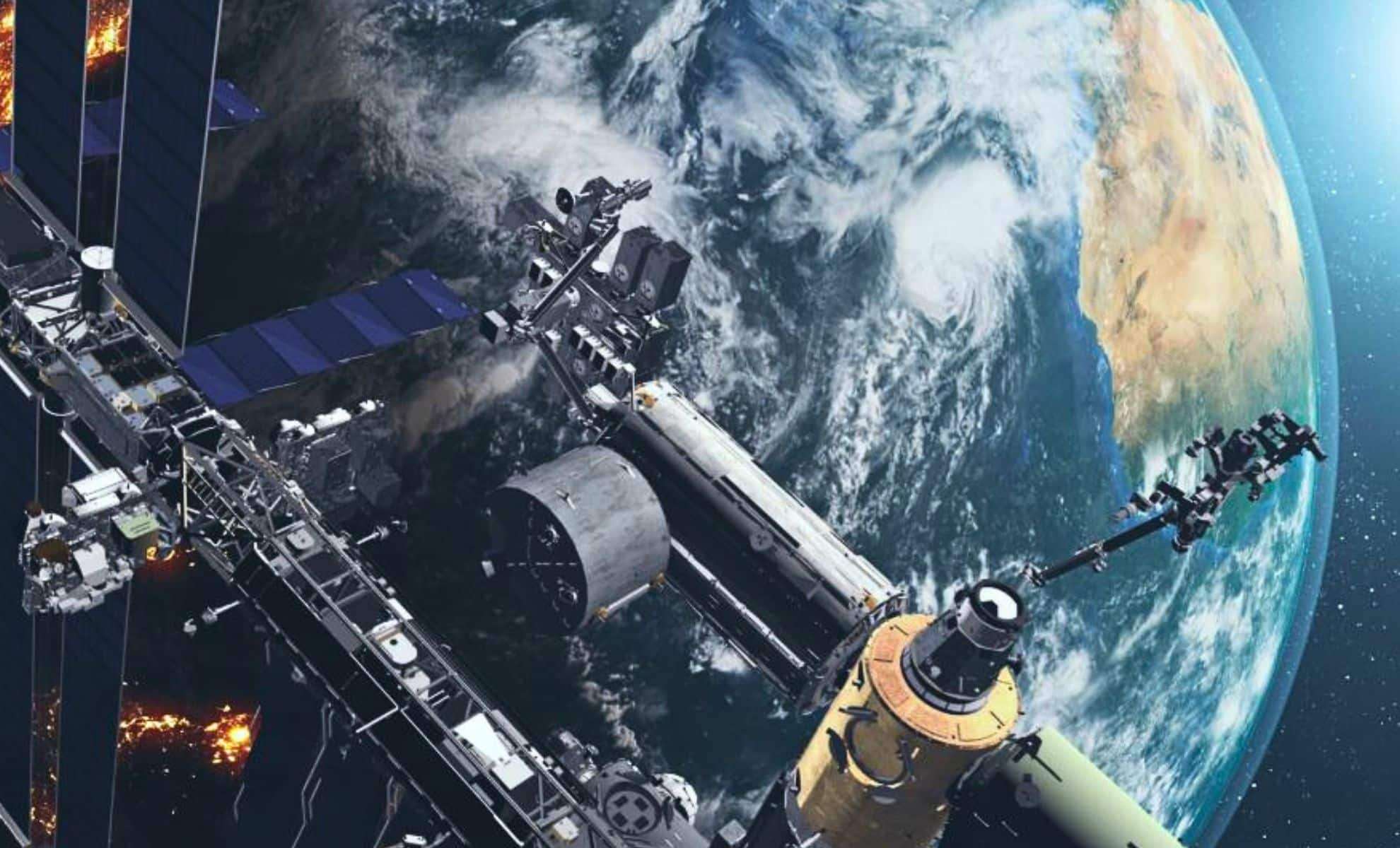
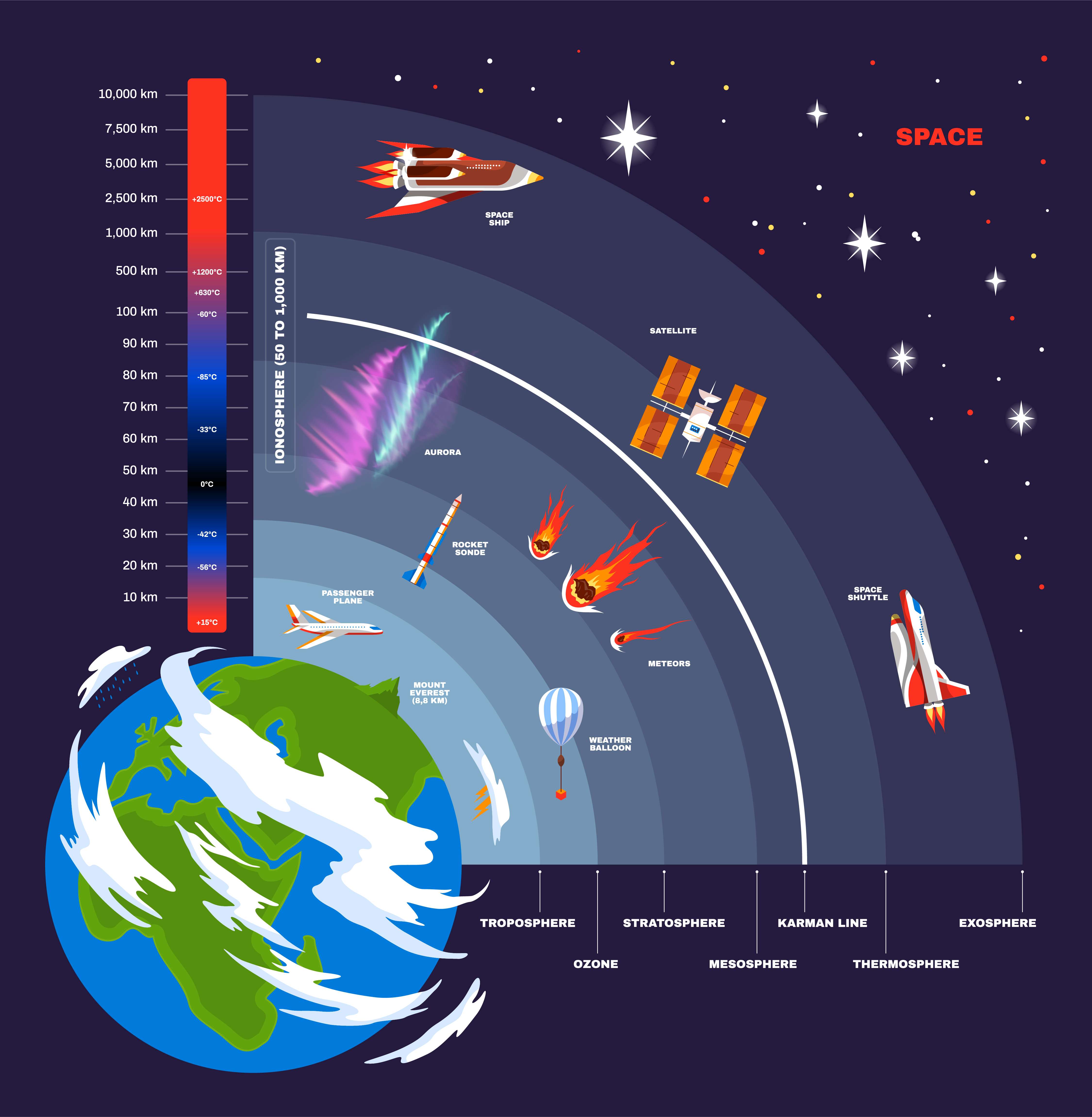
The International Space Station (ISS) identified atmospheric wave phenomena within the mesosphere, a layer ranging between 31 and 55 miles (roughly 88.5 km) above the planet’s surface. Although invisible from below, these waves visibly altered air conditions at these altitudes, highlighting how severe storms can extend their influence far beyond the surface.
The Mesosphere’s Role in Weather and Space Dynamics
The mesosphere typically receives less attention in atmospheric research, yet it is vital for linking Earth’s weather systems with space-based operations. The intense weather conditions caused by hurricanes can generate these subtle waves high above the surface. The ISS’s Atmospheric Wave Instrument (AWE), installed in 2023, detected these nuanced disturbances.

NASA scientist Michael Taylor commented on the findings, stating, “This discovery adds a new layer to understanding how storms influence the upper reaches of our atmosphere, even where the air is thin and rarefied.”
How AWE Reveals Hidden Atmospheric Patterns
The AWE instrument specializes in detecting faint atmospheric luminescence at mesospheric heights by capturing weak light emissions from gases. During Hurricane Helene’s passage, AWE recorded wave formations indicating that the hurricane’s effect on the air extended far above the storm’s visible surface footprint. These waves propagated westward, demonstrating the wide-ranging reach of such atmospheric disturbances.
This highlights the significance of the ISS as a unique observatory for atmospheric phenomena undetectable from Earth’s surface.
Implications for Weather Monitoring and Space Operations
AWE’s measurements shed light on how surface-level storms influence the mesosphere and affect satellite functionality. Even minor atmospheric variations at these heights can modify satellite trajectories by altering air density and drag.
For space mission planners and engineers, understanding these subtle changes is essential to mitigate risks posed to satellite stability and operations. AWE’s real-time monitoring capabilities support proactive measures to ensure satellite safety and performance.
Exploring Mesospheric Activity with Advanced Instruments
The Advanced Mesospheric Temperature Mapper (AMTM) employs highly sensitive telescopes to detect infrared emissions despite the mesosphere’s extreme cold, approximately -150°F (-101°C). This technology provides critical insights into wave behavior and atmospheric shifts that conventional sensors might overlook.
Such advances are unlocking a more comprehensive understanding of a previously elusive atmospheric region.
Future Prospects: Enhancing Space Weather Preparedness
The observation of hurricane-induced atmospheric waves marks only the beginning of ongoing research. Continued surveillance with AWE and AMTM will deepen knowledge of how weather at Earth’s surface affects upper atmospheric layers and satellite systems.
These insights have the potential to drive innovations in satellite design, improve forecasting models, and bolster communication infrastructure reliant on stable atmospheric conditions.
NASA’s ongoing efforts promise to reveal stronger-than-anticipated links between terrestrial weather and space environments, with tools like AWE opening new frontiers in atmospheric science and technology resilience.
- Categories:
- News ,
- Climate change









0 comments
Sign in to Comment