
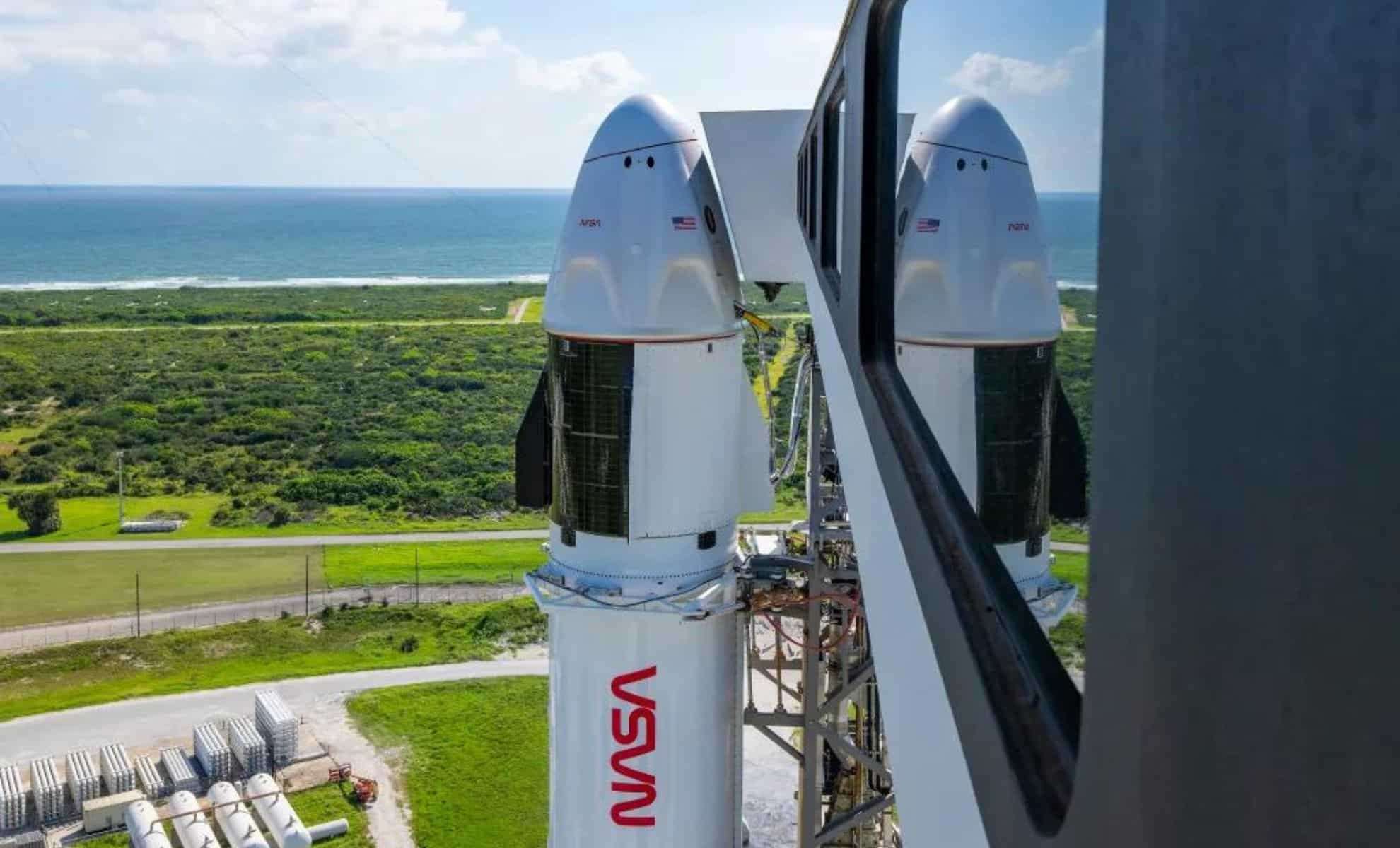
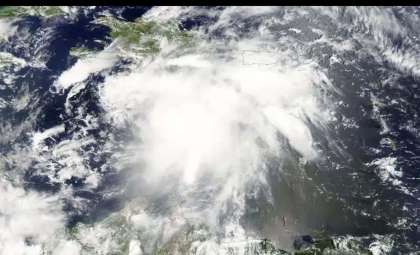
NASA and SpaceX have postponed the launch of the Crew-9 expedition bound for the International Space Station (ISS). Originally scheduled for Thursday, September 26, the liftoff has been shifted to no earlier than Saturday, September 28, as Tropical Storm Helene threatens to impact Florida’s Space Coast. This precaution aims to safeguard personnel and equipment against the storm’s severe conditions.
Launch Preparations and Weather Impact
Despite the weather-induced delay, preparations advanced steadily at Cape Canaveral Space Force Station. On September 24, the Falcon 9 booster, carrying the Dragon Freedom capsule, was transported to Space Launch Complex 40 (SLC-40). This launch pad will host its first crewed mission, bolstering SpaceX’s launch infrastructure for Dragon flights.
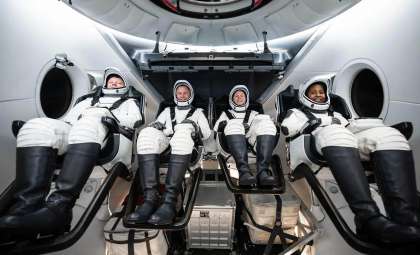
NASA and SpaceX teams ran a comprehensive dry dress rehearsal replicating all launch-day procedures including countdown sequences. NASA astronaut Nick Hague and Roscosmos cosmonaut Aleksandr Gorbunov, slated crew members for the mission, participated fully. Following the rehearsal, SpaceX executed a static fire test, briefly igniting the Falcon 9’s Merlin engines to verify that the rocket systems were operational and launch-ready.

The Falcon 9, booster B1085, had previously launched a Starlink satellite mission in August 2024. However, during transit from SpaceX’s Texas facility in McGregor to Florida, moisture was detected within the booster’s liquid oxygen tank. Steve Stich, NASA’s Commercial Crew Program Manager, detailed: “There was some moisture that went into the fuel in the [liquid oxygen] tank of that booster when it was transported from McGregor to the Cape.” The team swiftly dried out the booster and replaced affected components to ensure the rocket’s performance met strict mission criteria.
Objectives of the Crew-9 Expedition on the ISS
The Crew-9 flight represents the ninth rotation of astronauts ferrying personnel to the ISS through NASA’s Commercial Crew Program. Astronauts Nick Hague and Aleksandr Gorbunov will conduct approximately five months of experiments and station upkeep, supporting ongoing research in microgravity and maintaining the ISS’s operational health.
Along with Hague and Gorbunov, current ISS crew members Barry “Butch” Wilmore and Sunita “Suni” Williams will be part of the return crew. The Dragon Freedom spacecraft, which transports Crew-9, is planned to remain docked until February 2025, when it will bring all four astronauts safely back to Earth. Previously, NASA had considered using Boeing’s Starliner for returning Wilmore and Williams but ultimately chose the Dragon vehicle due to concerns over Starliner’s thruster reliability.
This mission marks a major milestone for SpaceX, as it’s the first crewed launch from Space Launch Complex 40 (SLC-40), diversifying their launch options beyond Launch Complex 39A at Kennedy Space Center, a historic venue for numerous landmark missions including the Apollo program. Expanding to SLC-40 amplifies operational flexibility for crewed missions and strengthens NASA-SpaceX collaboration.
Managing Safety Amid Tropical Storm Helene
Tropical Storm Helene has necessitated careful adjustments to keep the Crew-9 mission safe. Although primarily centered over the Gulf of Mexico, the storm’s influence extends to Florida’s Space Coast, encompassing Cape Canaveral and Merritt Island. In response, NASA and SpaceX shifted the Falcon 9 and Dragon capsule back into a hangar to shield them from damaging winds and rain.
NASA detailed the decision, emphasizing the potential for severe weather around their launch sites: “The storm system is large enough that high winds and heavy rain are expected in the Cape Canaveral and Merritt Island regions on Florida’s east coast.” This proactive postponement prioritizes crew and mission safety.
Weather-related delays are a routine challenge for human spaceflight, and NASA alongside SpaceX continue to demonstrate a vigilant approach. They are poised to resume launch operations when conditions stabilize, ensuring all hardware remains in peak condition.
Preparations for the Revised Launch Date
With the revised liftoff set for Saturday, September 28, NASA and SpaceX vigilantly track weather developments while finalizing launch readiness. Should Tropical Storm Helene pass without further disruption, the launch is scheduled for 1:17 p.m. EDT, continuing joint efforts to provide sustainable access to the ISS.
The success of the Crew-9 mission will further entrench SpaceX’s integral role within NASA’s Commercial Crew Program, which since 2020 has reliably deployed several crewed missions to low Earth orbit. This collaboration underscores ongoing advances toward regular, dependable human space travel.
By supporting vital scientific research and station servicing, Crew-9 exemplifies the importance of human spaceflight and the continuous pursuit of exploration. Pending favorable weather, the mission will soon launch, contributing valuable knowledge and operational support to the ISS and NASA’s broader space ambitions.








0 comments
Sign in to Comment