
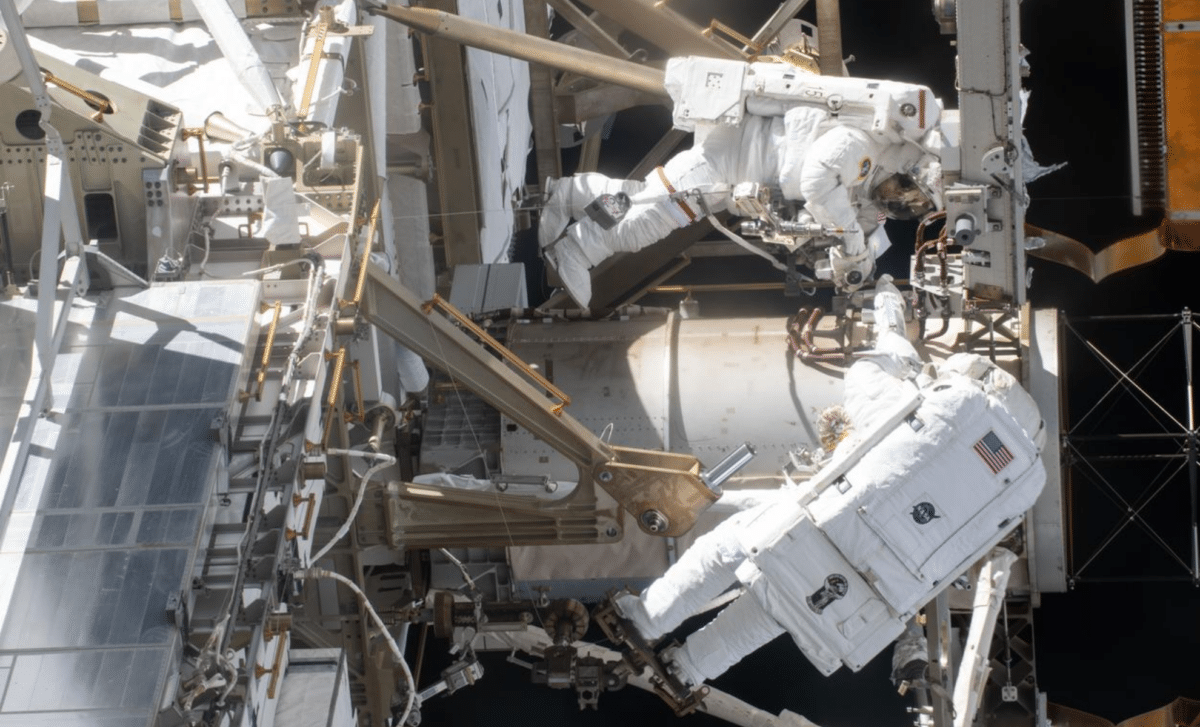
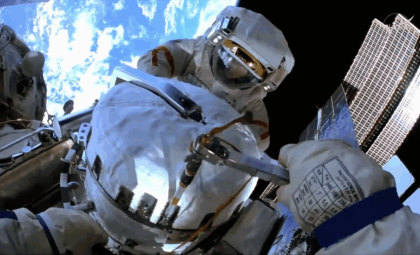
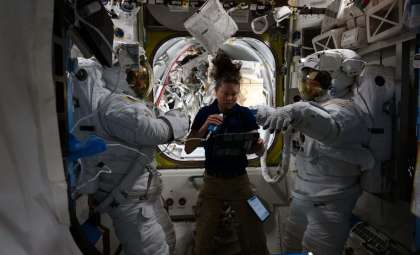
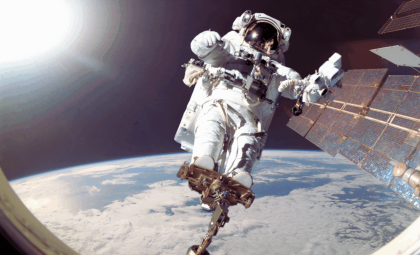
NASA astronauts Chris Williams and Jessica Meir are performing an intricate spacewalk outside the International Space Station to repair the Canadarm2 robotic arm after a significant malfunction detected in late May, NASA confirms. This mission illustrates the delicate yet durable nature of the station’s equipment sustaining human space habitation for over 20 years, as astronauts execute complex mechanical tasks in the vacuum of space while orbiting Earth.
Spacewalk Details and Repair Goals
The duo commenced a scheduled 6.5-hour extravehicular activity aimed at replacing a critical wrist joint on the Canadarm2, a pivotal robotic arm used for handling cargo, station upkeep, and external tasks. Set to begin around 8:35 a.m. EDT, the task involves swapping out a 200-pound wrist joint that malfunctioned by drawing excessive motor current during previous operation attempts in May. NASA reported that the breakdown hindered expected movements, necessitating replacement with a pre-stowed hardware unit aboard the station.
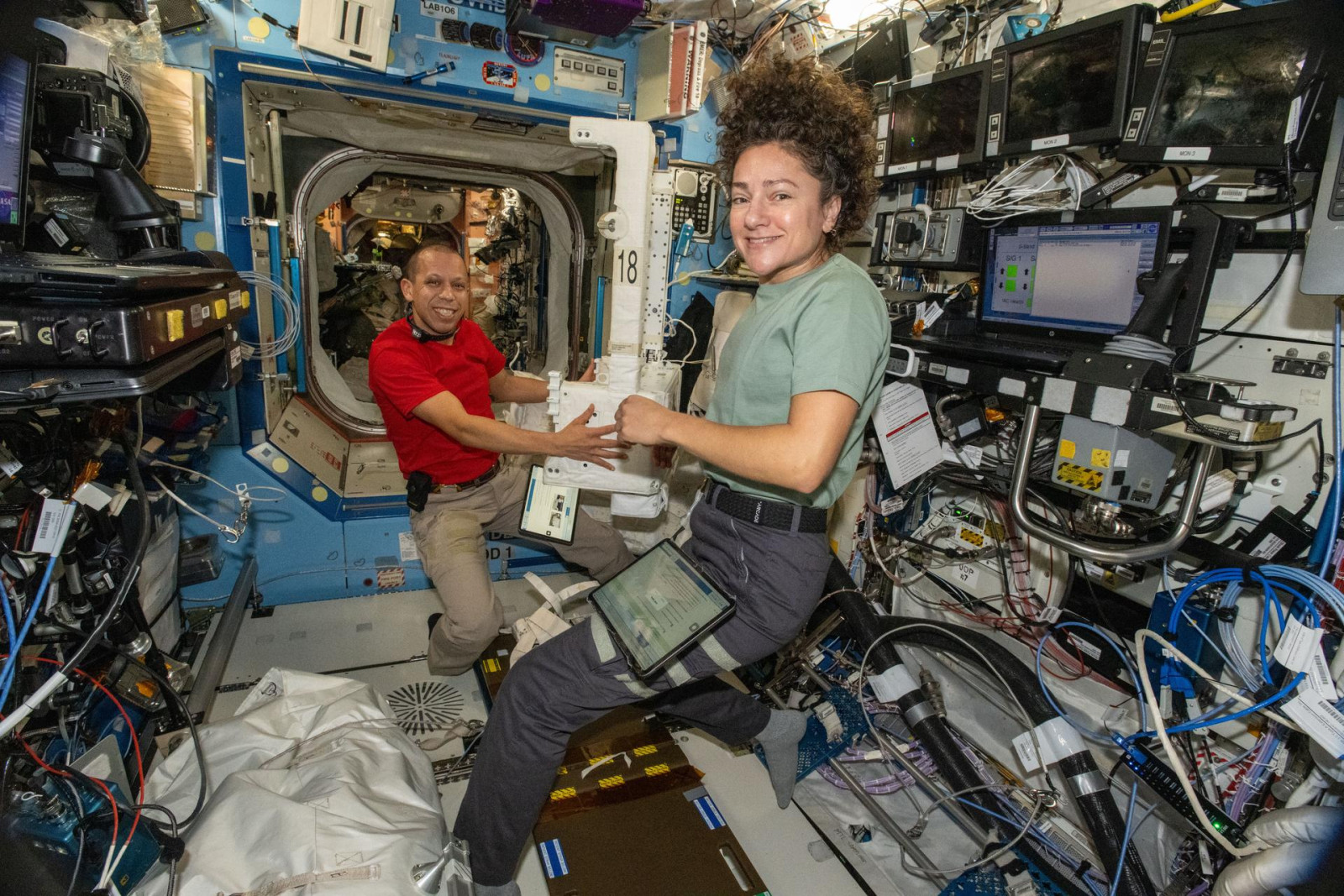
Broadcast coverage and live updates from mission control have tracked the activity since early hours. Prior briefings emphasized the engineering strategy behind this repair and the ISS’s designed ability to undergo scheduled maintenance.

“Repairs to robotics, like Canadarm2, are normal and expected after more than 25 years of continuous operations, as the system was designed with replaceable components and planned maintenance in mind,” NASA officials added in the preview.
This statement underscores the modular design philosophy of ISS systems, which empower astronauts to swap out heavily used parts on-orbit rather than returning them to Earth. This practice has been instrumental in prolonging the station’s service life well beyond its original schedule.
Technical Difficulties and Repair Procedures
The Canadarm2 robotic arm, approximately 56 feet long and weighing over 3,000 pounds, has played a key role in ISS operations since it was delivered by space shuttle Endeavour in 2001. Functioning in docking assistance, cargo transfer, and external repairs, it remains one of the most sophisticated machines ever used in orbit. In May, the system’s motor drew abnormal current, causing a wrist joint to fail and halting expected movements. Ground controllers pinpointed the faulty component as the wrist joint, focusing the present repair efforts on this section.
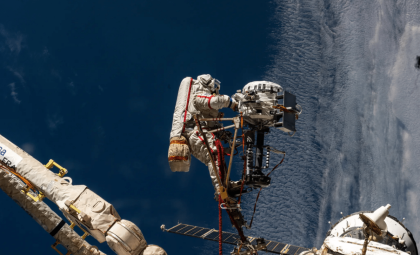
Replacing the part demands the astronauts carefully navigate the outside of the station, managing tools and components while operating within the constraints of their pressurized spacesuits. Each step requires close coordination with mission control to ensure proper integration with the robotic and station structures. The replacement joint, already onboard the ISS, ensures the mission can proceed without waiting for fresh deliveries, a testament to long-term maintenance planning emphasizing redundancy and modularity to minimize mission risks.
Crew Responsibilities and Spacewalk Dynamics
Chris Williams, assigned as lead extravehicular crewmember, carries out the hands-on repair wearing a suit distinguished by red stripes, while Jessica Meir, taking on supporting duties in her fifth spacewalk, operates without stripes. Their teamwork draws upon earlier experience, including a joint EVA in March focused on preparing station sections for new solar array installations. The current repair involves handling bulky mechanical parts while secured to the ISS exterior. Both astronauts must carefully manage their tethers, tools, and communication links to maintain precise positioning in microgravity.
Complexity increases due to the weight and bulk of the replacement wrist joint, which tips the scales at around 200 pounds on Earth but still requires deft maneuvering in orbit. Mission control continuously monitors alignment, torque, and structural integrity to guide the astronauts through the procedure. This EVA raises the total number of spacewalks conducted on the ISS to 279, underscoring the vital role of human maintenance despite growing automation in space operations.
Significance of Maintaining Robotic Systems in Space
The Canadarm2 continues to be among the ISS’s most essential tools, facilitating routine and critical activities such as capturing visiting spacecraft and installing external components. Its reliable operation is crucial for managing cargo deliveries and infrastructure updates without entirely depending on vehicles docking with crew aboard. NASA stresses that space platforms must be designed to accommodate repairs because of inevitable wear from harsh space environments including radiation and temperature extremes.
This ongoing repair mission showcases these concepts in action, with astronauts serving as operators and technicians under challenging conditions. Having served more than 25 years, Canadarm2 has been updated and had parts replaced multiple times, extending its useful life. Fixing a failed wrist joint without disrupting station functions exemplifies the robustness of ISS design strategies and highlights the expanding partnership between humans and robotics in space exploration.
- Categories:
- News



0 comments
Sign in to Comment