
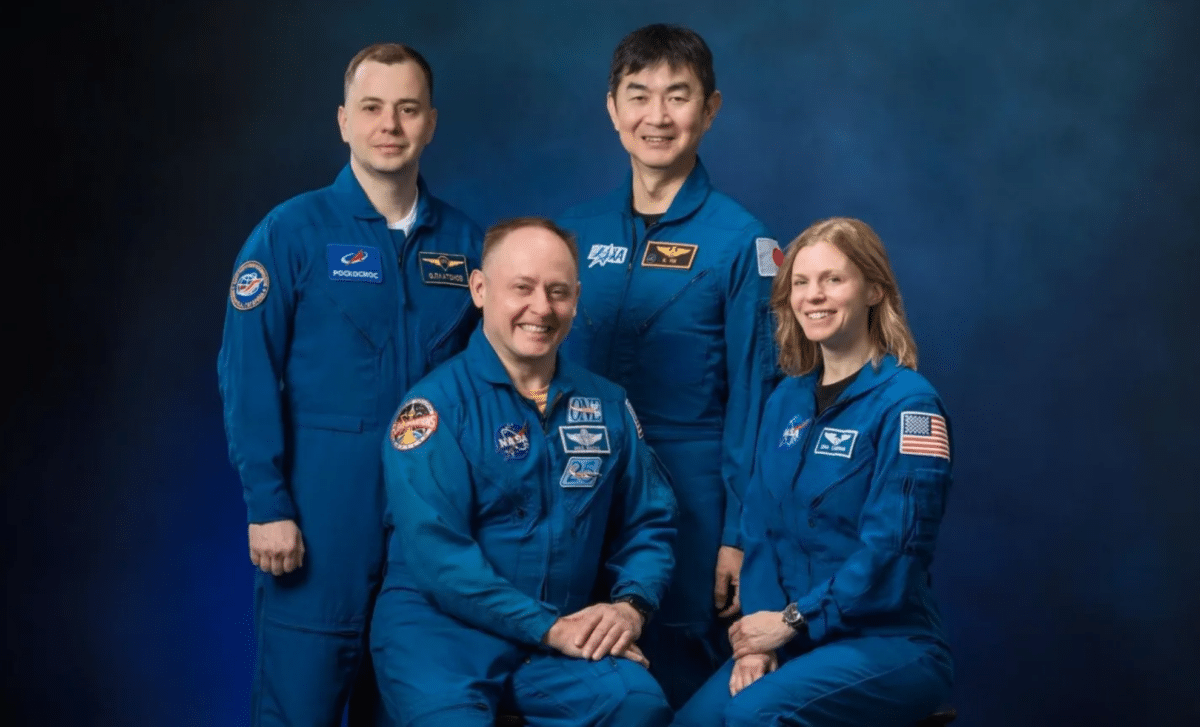
Space travel offers remarkable achievements, yet unexpected obstacles can arise even with careful planning. In January 2026, NASA astronaut Mike Fincke made history as the first person to undergo a medical evacuation from the International Space Station (ISS). This unforeseen health issue led to the early conclusion of the Crew-11 mission, marking a significant milestone in human spaceflight. NASA stated that although the medical condition was not considered life-threatening, it required urgent attention beyond what could be provided on the ISS. Details regarding the specific medical condition remain confidential.
What Triggered the Medical Evacuation of Crew-11
Crew-11 launched to the ISS in January 2026, including pilot Mike Fincke and three other astronauts. However, the mission was cut short when Fincke developed a serious health complication. NASA has not disclosed the exact medical details but emphasized that the incident was not an immediate life-threatening emergency. Fincke remarked in an official NASA release, “I experienced a medical event that required immediate attention from my incredible crewmates.” He praised his fellow astronauts for their prompt and expert response that was vital in managing the situation.
NASA first reported the developing medical issue on January 7, stating, “The agency is monitoring a medical concern with a crew member that arose Wednesday afternoon aboard the orbital complex.” This incident underscored the unique challenges of managing health emergencies in space, where isolation, microgravity, and limited medical resources complicate intervention strategies. After careful evaluation, NASA decided early termination of the Crew-11 mission was necessary to provide appropriate care on Earth.

NASA is sharing the following information at the request of NASA astronaut Mike Fincke: pic.twitter.com/J3UsExd94H
— NASA (@NASA) February 25, 2026
Swift Mission Termination and Crew Recovery
NASA’s choice to evacuate Crew-11 was a critical decision made with astronaut safety as the priority. On January 8, the agency announced the mission's early conclusion to facilitate Fincke's medical evacuation. The Crew Dragon spacecraft “Endeavour” safely splashed down in the Pacific Ocean on January 15, a full month ahead of schedule. Coordination among NASA, SpaceX, and the crew itself ensured a smooth and secure return. Reflecting on the experience, Fincke stated, “Spaceflight is an incredible privilege, and sometimes it reminds us just how human we are.” This powerful expression highlights the vulnerability astronauts face beyond the technological marvel of space travel.
Following their return, the crew was promptly transported to medical facilities. Fincke and his fellow astronauts were admitted to Scripps Memorial Hospital in La Jolla, California, where Fincke began receiving treatment. Though the specifics of his condition remain private, the astronaut’s determination and the outstanding team effort during this crisis exemplify the resilience required for mission success.
NASA’s Preparedness and Response to Space Medical Emergencies
This medical evacuation highlights NASA’s extensive readiness for in-flight emergencies. While protocols exist for countless contingencies, orchestrating an astronaut’s return to Earth for medical reasons is exceedingly complex. The early return of Crew-11 also affected the staffing of the ISS, leaving fewer crew members aboard until a new team could arrive.
To address this gap, NASA expedited the launch of SpaceX’s Crew-12 mission. The Crew Dragon “Freedom” launched on February 13, restoring the ISS crew to the standard seven astronauts. This quick adjustment demonstrates the adaptability and coordination of NASA and its partners when facing unplanned situations in space operations.
Insights Into the Human Side of Space Exploration
The Crew-11 medical evacuation serves as a poignant reminder of the inherent risks associated with sending humans beyond our planet. Although astronauts receive extensive training, the physiological and psychological challenges of space can impact crew health unexpectedly. Fincke’s statement, “Spaceflight is an incredible privilege, and sometimes it reminds us just how human we are,” poignantly captures this reality, underlining the importance of prioritizing astronaut well-being in mission planning.
As humanity prepares for longer missions on the Moon and eventual journeys to Mars, medical readiness will remain a critical focus. The lessons learned from this case are expected to influence future emergency protocols and health care strategies in space, fostering safer and more sustainable human exploration of the cosmos.
- Categories:
- News












0 comments
Sign in to Comment