
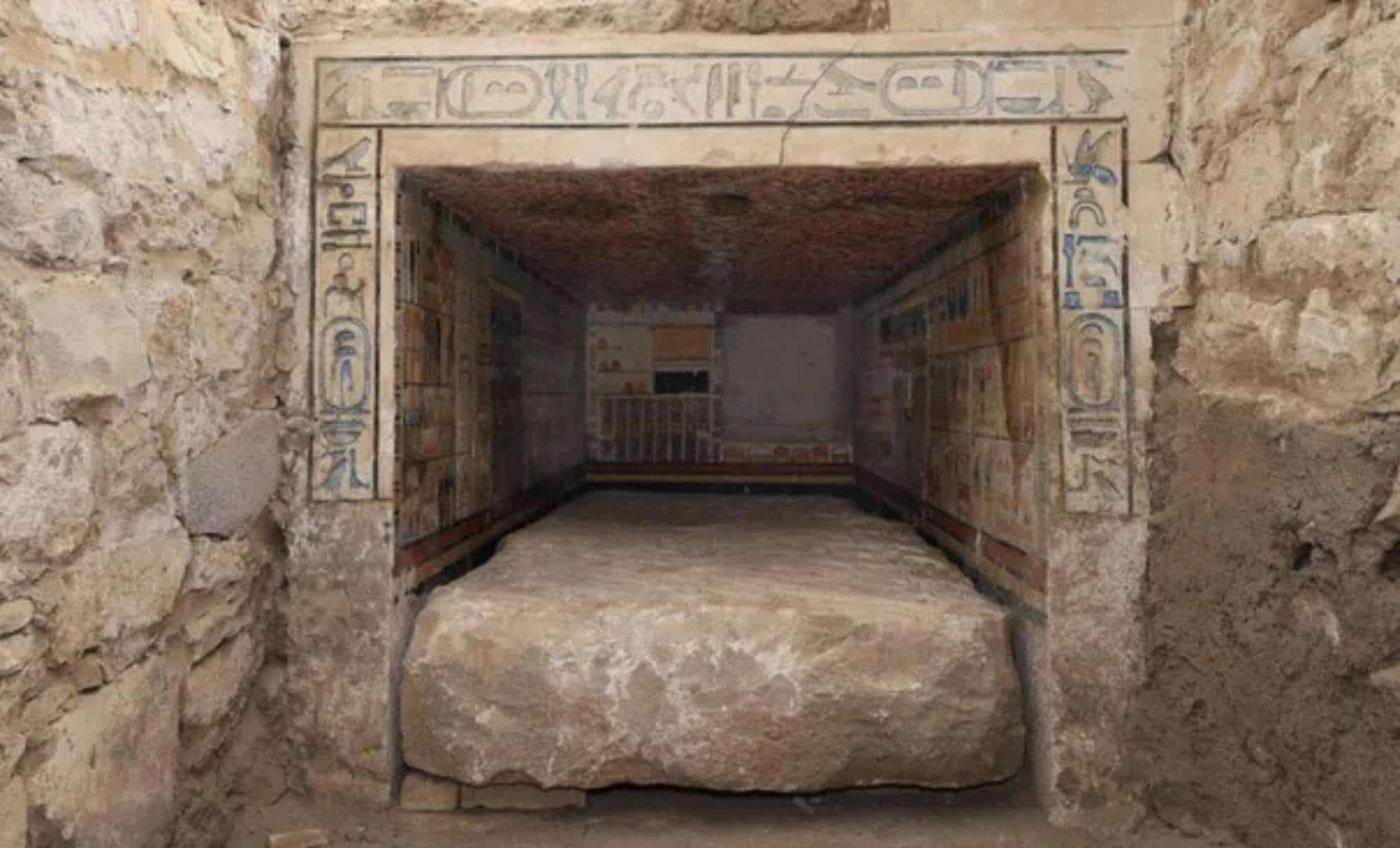
French and Swiss archaeologists have uncovered a stunning Egyptian tomb dating back more than 4,100 years. This burial belonged to Tetinebefou, a royal doctor whose extensive medical knowledge is detailed in hieroglyphs adorning his tomb. This find provides a rare insight into the career of a healer who worked for Pepi II, one of Egypt’s longest-serving pharaohs.
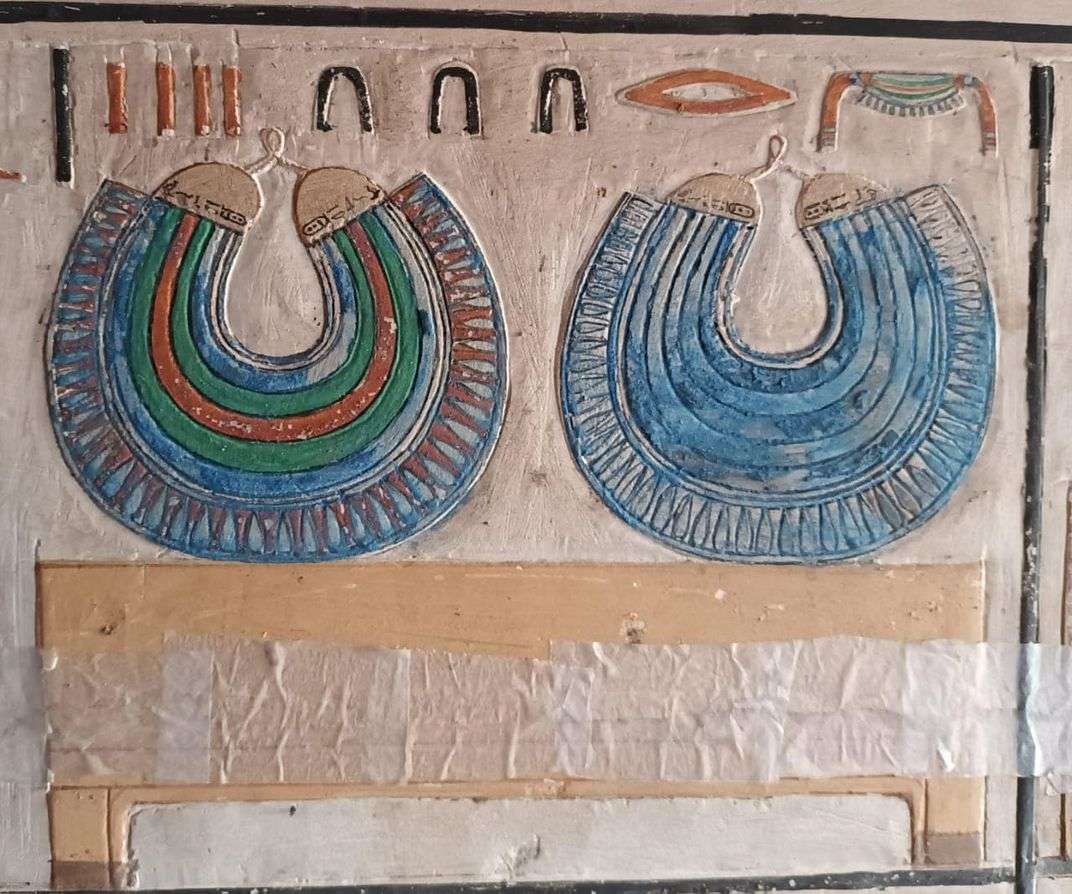
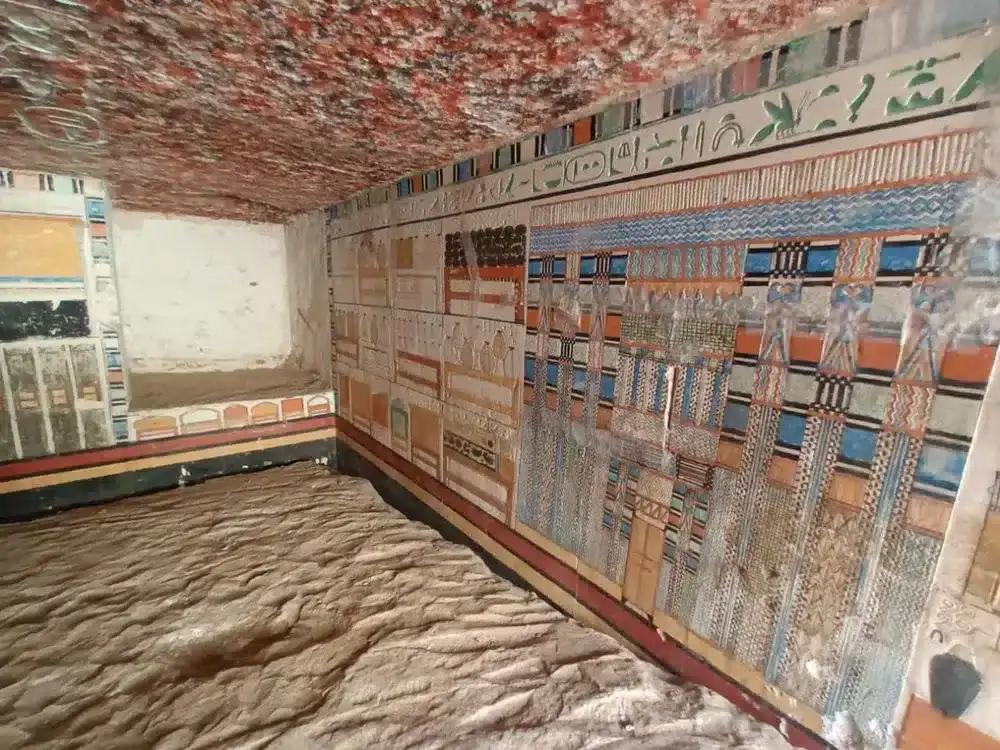
“This fantastic discovery contributes to Saqqara’s reputation as one of Egypt’s paramount archaeological locations,” notes the Ministry of Tourism and Antiquities. “The tomb features exquisite engravings and colorful artwork, including a finely crafted painted false door and images depicting funerary offerings.”
Unlocking Ancient Egyptian Medical Expertise
The revelation of Tetinebefou’s tomb opens a window into the sophisticated medical practices of ancient Egyptians. This burial chamber, richly decorated with vivid artwork and precise carvings, highlights the prestigious status of a doctor skilled in several medical disciplines. Serving as a royal physician during the reign of Pharaoh Pepi II, Tetinebefou bore distinguished titles, emphasizing his role as a multifaceted healer.

Details of the Exciting Find
A Distinguished Practitioner of Ancient Healing
Tetinebefou’s impressive titles highlight his diverse professional skills. As chief dentist and herbal medicines supervisor, he managed specialized health areas. The role of “conjurer of the goddess Serket” reflects his knowledge in treating venomous stings and bites, a vital skill given Egypt’s encounters with dangerous scorpions and snakes.
Philippe Collombert, a University of Geneva Egyptologist leading the dig, states that Tetinebefou was “undoubtedly the primary physician at the royal court, personally attending to the pharaoh.”
Decorations on the tomb walls depict jars and vessels possibly linked to his medical practice. Despite looting over centuries, these vibrant carvings and inscriptions confirm the doctor’s prominent status and the significance of his work.
Rare Titles Marking an Extraordinary Career
An especially notable aspect is Tetinebefou’s uncommon official titles. The label “director of medicinal plants” has scarcely ever been found elsewhere, indicating profound knowledge of ancient pharmacology and botanicals. The title of “chief dentist” is equally rare in historical sources.
Roger Forshaw, Egyptologist at the University of Manchester uninvolved in the dig, remarks, “Evidence for ancient Egyptian ‘dentists’ is extremely limited.” This scarcity highlights Tetinebefou’s elite standing and ancient Egypt’s early focus on dental health.
Herodotus, the Greek historian from the fifth century BCE, documented that Egyptian physicians often specialized, facilitating advancements ranging from eye care to internal medicine.
Saqqara: A Hub of Historical Treasures
The Saqqara necropolis continues to awe archaeologists with rich artifacts. Serving as a burial ground for rulers, priests, and high officials, it illustrates the complexity of ancient Egyptian culture. The painted false door in Tetinebefou’s tomb is especially symbolic, representing a threshold between life and the afterlife.
“This extraordinary find contributes further to Saqqara’s prestige as a vital archaeological site in Egypt,” emphasized the Ministry of Tourism and Antiquities. The tomb’s artistic and inscriptive features deepen our comprehension of how the Egyptians honored their deceased and commemorated achievements.
Prominent Features of Ancient Egyptian Healing Arts
The tomb of Tetinebefou spotlights the sophisticated medical knowledge of ancient Egypt. Physicians then understood human anatomy and treated ailments ranging from traumatic injuries to infections. Surgical operations and the use of prosthetics were also part of their practice.
Thousands of years ago, Egyptian healers diagnosed conditions such as diabetes, tackled brain tumors, and formulated remedies from medicinal plants. Their expertise was unmatched, earning them respect and significant social rank.
Important elements of Egyptian medicine included:
- Specialization: Physicians concentrated on particular areas like ophthalmology, dentistry, or internal organs.
- Anatomical Insight: Embalming practices offered detailed knowledge of the body.
- Plant-Based Treatments: Herbal remedies addressed diverse health issues.
- Precision Surgical Instruments: Tools made of copper and bronze were employed in procedures.
Remembering Tetinebefou’s Contributions
The tomb dedicated to Tetinebefou stands as an enduring testament to ancient Egyptian medical skill. The meticulous carvings and rare official titles etched into his chamber reveal the prominence of a healer who attended the highest levels of power.
As Philippe Collombert affirms, “He was clearly the leading doctor in the royal court, treating the pharaoh himself.” His legacy, preserved at Saqqara, underscores the essential role of medical experts in Egypt’s thriving civilization.
Continuing excavations at Saqqara promise to uncover further narratives that illuminate the remarkable creativity and knowledge of one of human history’s most celebrated cultures.
- Categories:
- News









0 comments
Sign in to Comment