
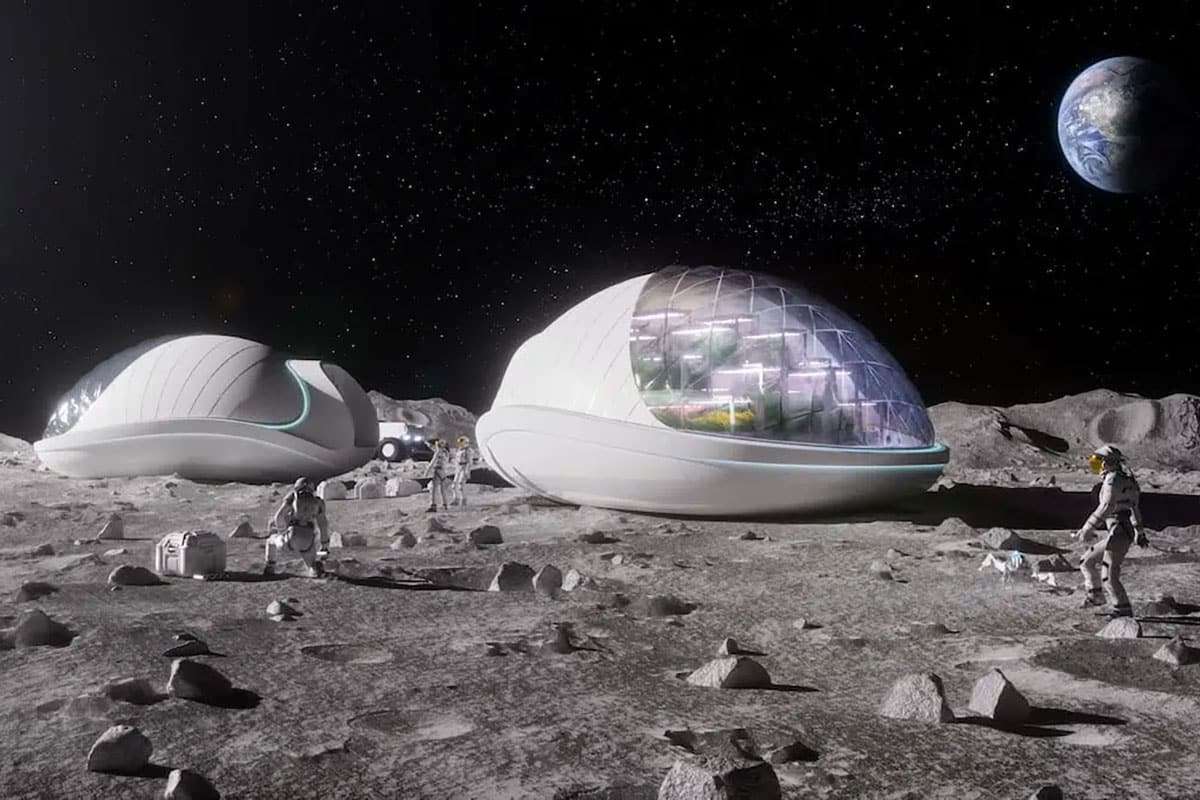
Building homes from mushrooms on the Moon might sound like a concept from a sci-fi novel, but NASA is actively funding research to make it a tangible option. The agency has allocated $2 million to a team at the Ames Research Center researching mycotecture—using fungi to construct living spaces in space. This new approach could overcome the massive expenses involved in shipping conventional building supplies into orbit.
The strategy involves delivering a kit to the lunar surface containing vital household components along with a blend of fungal spores, water, and algae. Once activated, this mixture would cultivate a hardened shell, creating a livable environment. This technique offers several notable benefits:
- Economical construction methods
- Fast formation within one to two months
- Protection from space radiation
- Thermal insulation against harsh lunar conditions
With NASA partnering with Intuitive Machines for lunar south pole missions, the use of fungal architecture for future moon bases gains relevance. Such biological structures could support sustained habitats for long-duration lunar stays and eventual Mars missions.

The principles behind lunar mycotecture
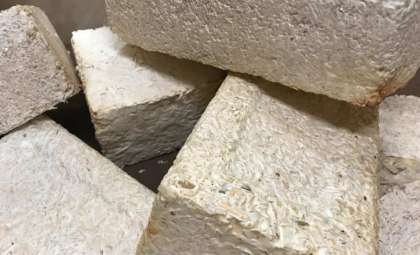
Mycotecture takes advantage of fungi’s natural ability to grow durable, eco-friendly materials. On the Moon, fungal spores combined with lunar resources like water and soil simulants could produce brick-like components. Chris Maurer, a Cleveland-based architect collaborating with NASA, notes this method dramatically cuts costs compared to earth-based material transport.
NASA’s research indicates that mushroom-derived building blocks display impressive features:
FeatureAdvantageRadiation absorptionDeflects damaging cosmic raysThermal regulationMaintains stable internal temperaturesRapid developmentEnables quick habitat establishment
Such characteristics make fungal construction an appealing alternative for space habitats. Growing structures directly on-site aligns with NASA’s commitment to sustainable missions and in-situ resource utilization (ISRU).
Obstacles and outlook
Although ground-based experiments show enthusiasm, Lynn Rothschild and her team at NASA Ames caution that the lunar environment might present unique challenges. To test this, a prototype of these fungal habitats is planned for launch aboard the commercial Starlab space station in 2028.
Rothschild emphasizes critical questions for upcoming tests:
- Will the structures maintain sufficient integrity?
- Can they effectively insulate occupants?
- How will lunar conditions influence material properties?
- Can fungal growth sustain itself in low gravity?
As NASA advances lunar rover development for Artemis missions, integrating mycotecture could enhance habitat sustainability and adaptability. Success here might revolutionize construction methods for Mars and other space outposts.
Impact on future space endeavors
Creating mushroom-based lunar dwellings signals a transformative shift in off-world colonization strategies. Utilizing biological processes combined with local materials introduces new potentials for sustainable human settlement beyond Earth’s confines. This cutting-edge technology could reshape space exploration by enabling:
1. Lower launch expenses: Growing structures on the Moon drastically cuts down the volume of materials needing to be sent from Earth.
2. Flexible building designs: Fungal habitats can be adjusted or expanded to suit mission changes and growth.
3. Regenerative life support: These living buildings may aid in recycling air and waste, improving self-sufficiency for lunar camps.
As we enter a new chapter in space exploration, NASA’s pioneering work with mycotecture reflects a steadfast drive to innovate. The success of fungus-based lunar homes promises to bring sustained human presence on the Moon—and eventually Mars—within reach.
- Categories:
- Nasa








0 comments
Sign in to Comment