

New research warns that the accumulation of space debris, particularly from satellite megaconstellations such as SpaceX’s Starlink, is increasingly endangering Earth's ozone layer. As thousands of satellites burn up during atmospheric reentry, the release of harmful particles poses a serious environmental challenge with far-reaching consequences for satellite operations and global connectivity.
Consequences of Satellite Megaconstellations on Stratospheric Ozone
The Role of Aluminum Oxide in Ozone Layer Damage
The ozone layer resides within the stratosphere, absorbing the majority of the Sun’s damaging ultraviolet radiation. This layer is vital for shielding living organisms from UV exposure, which can cause skin cancers, eye damage, and impair ecosystems on land and sea.
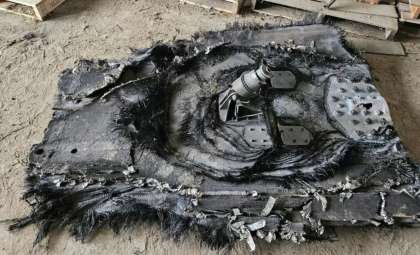
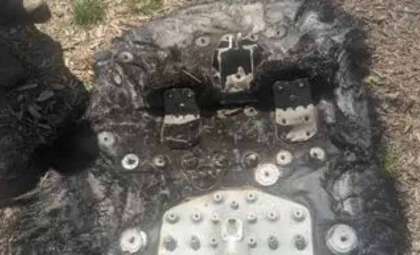
When satellites reach the end of their lifespan, they typically disintegrate upon reentry, dispersing aluminum oxide particles in the upper atmosphere. According to a recent Geophysical Research Letters publication, the concentration of these particles has increased eightfold between 2016 and 2022, with projections suggesting continued growth as satellite launches accelerate.

Though aluminum oxide does not chemically react directly with ozone molecules, it acts as a catalyst for reactions involving ozone and chlorine compounds that dismantle the ozone. Because these particles are not consumed in these reactions, they persist in the stratosphere for decades, continuously facilitating ozone depletion.
Joseph Wang from the University of Southern California, who led the study, remarked, “Only in recent years have people started to think this might become a problem.” The rise in aluminum oxide from satellite reentries threatens to reverse the gains made by the 1987 Montreal Protocol, a global treaty that successfully curbed substances responsible for ozone layer depletion.
Expansion of Satellite Networks
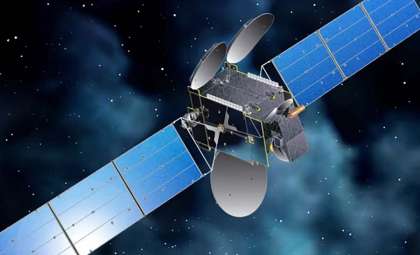
The drive for worldwide internet access has resulted in a surge of small satellites being launched. SpaceX’s Starlink constellation already comprises over 6,000 satellites, with plans for many more additions. Other ventures, including Amazon, intend to deploy between 3,000 and 13,000 satellites.
Individual satellites, weighing around 250 kilograms (550 pounds), release about 30 kilograms (66 pounds) of aluminum oxide nanoparticles when they burn up. In 2022, the influx of reentering satellites raised atmospheric aluminum concentrations by nearly 30% above natural background levels.
Projections suggest that once all planned satellite fleets are operational, yearly aluminum deposits from reentries will reach approximately 912 metric tons, yielding about 360 metric tons of aluminum oxide annually—an increase exceeding 600% compared to natural levels.
Implications for Environment and Human Health
The erosion of the ozone layer heightens risks such as greater skin cancer incidence due to enhanced UV exposure. Ecosystems and food production may also suffer adverse effects. The study points out that “the environmental impacts from the reentry of satellites are currently poorly understood,” underlining an urgent need for more investigation.
While the Montreal Protocol curbed many ozone-depleting chemicals, the unanticipated presence of aluminum oxide from satellite debris could impede the gradual healing of the ozone layer witnessed in recent decades.
Need for Enhanced Study and Regulatory Measures
With satellite reentry events on the rise, scientists advocate for more detailed research into their environmental impact. Addressing the role of aluminum oxide particles may require updating regulatory frameworks governing satellite launches and post-mission disposal.
Wang emphasized once more, “Only in recent years have people started to think this might become a problem.” The research calls for heightened awareness and proactive policies to limit the ecological damage caused by expanding satellite constellations, balancing technological progress with planetary protection.
These insights stress the importance of harmonizing innovative space technologies with responsible environmental management, urging coordination between governments, researchers, and private enterprises in developing sustainable strategies for space activities.
- Categories:
- News ,
- Space ,
- Climate change








0 comments
Sign in to Comment