

Over the past 20 years, our planet has subtly become darker, not as a metaphor, but in terms of physical properties. Data from NASA's Clouds and the Earth's Radiant Energy System (CERES) satellites indicate that Earth now reflects less sunlight back into space compared to two decades ago. This decrease in albedo, or the planet's solar reflectivity, might be modest but carries significant impacts.
Where sunlight once reflected off bright surfaces like snow, ice, or polluted skies, it is now absorbed by darker elements such as oceans, rocks, and urban materials like asphalt. This absorbed energy contributes to warming, intensifies ice melting, and subtly disrupts atmospheric patterns. The evidence suggests a growing imbalance in Earth's energy equilibrium, meaning the planet retains more heat than it releases, akin to overspending on an energy bill.
This darkening does not occur uniformly. The Northern Hemisphere, where most land, industrial activity, and human populations are concentrated, is dimming faster than the Southern Hemisphere. This unevenness compromises natural regulators like ocean currents and winds, accelerating warming in northern areas and heightening risks such as hotter summers and volatile weather.

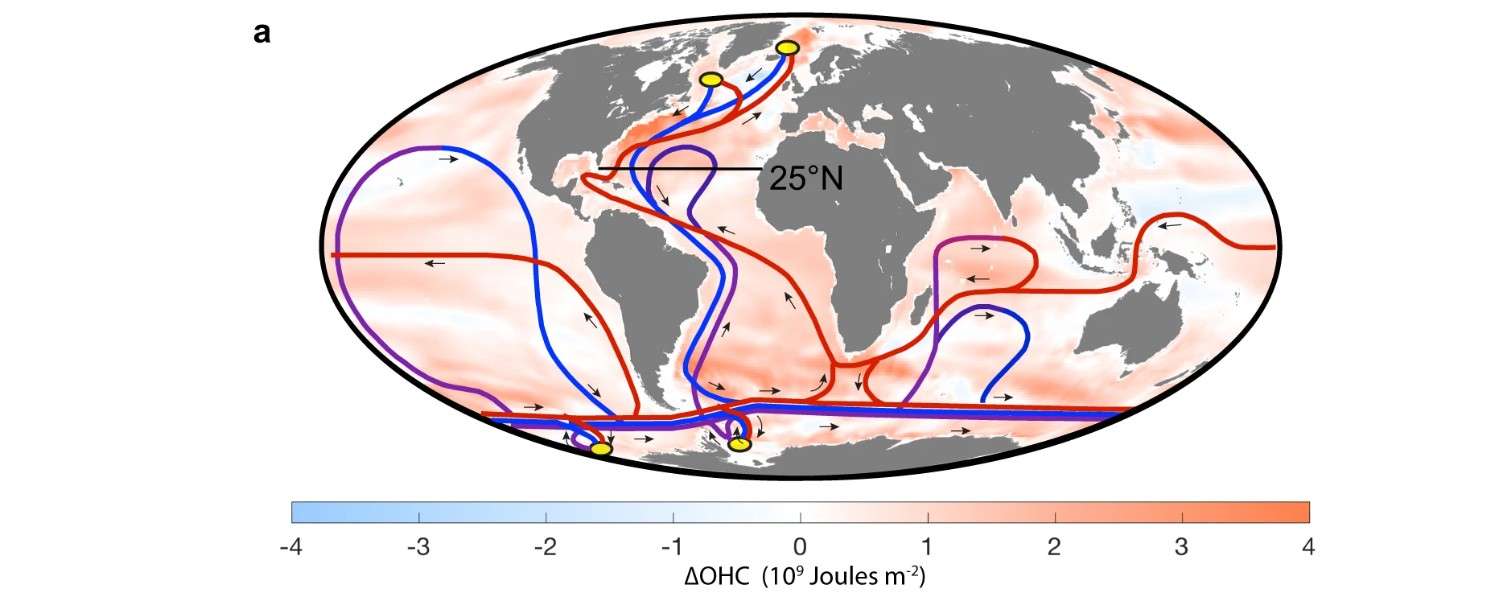
Although climate change discussions often focus on greenhouse gases, the reduction in Earth's reflectivity exposes complex feedback mechanisms. Improvements in air quality, while beneficial, have reduced atmospheric aerosol particles—tiny light-reflecting substances produced by industry and fossil fuel use. Fewer aerosols lead to more direct sunlight hitting Earth’s surface, increasing warming.
In contrast, sporadic events in the Southern Hemisphere, like the 2022 volcanic eruption in Tonga and massive wildfires in Australia, temporarily injected reflective particles into the atmosphere, momentarily increasing solar reflection. However, such events are exceptions within the broader, ongoing trend of Earth's surface darkening and warming faster than predicted.
Debunking the Cloud Compensation Hypothesis
Earlier climate projections presumed clouds would balance warming by adjusting thickness to regulate solar absorption. Yet, recent evidence contradicts this assumption. A peer-reviewed article in PNAS shows that the Northern Hemisphere’s increased heat absorption is not matched by compensatory cloud cover changes. Thus, clouds do not mitigate warming as once believed.
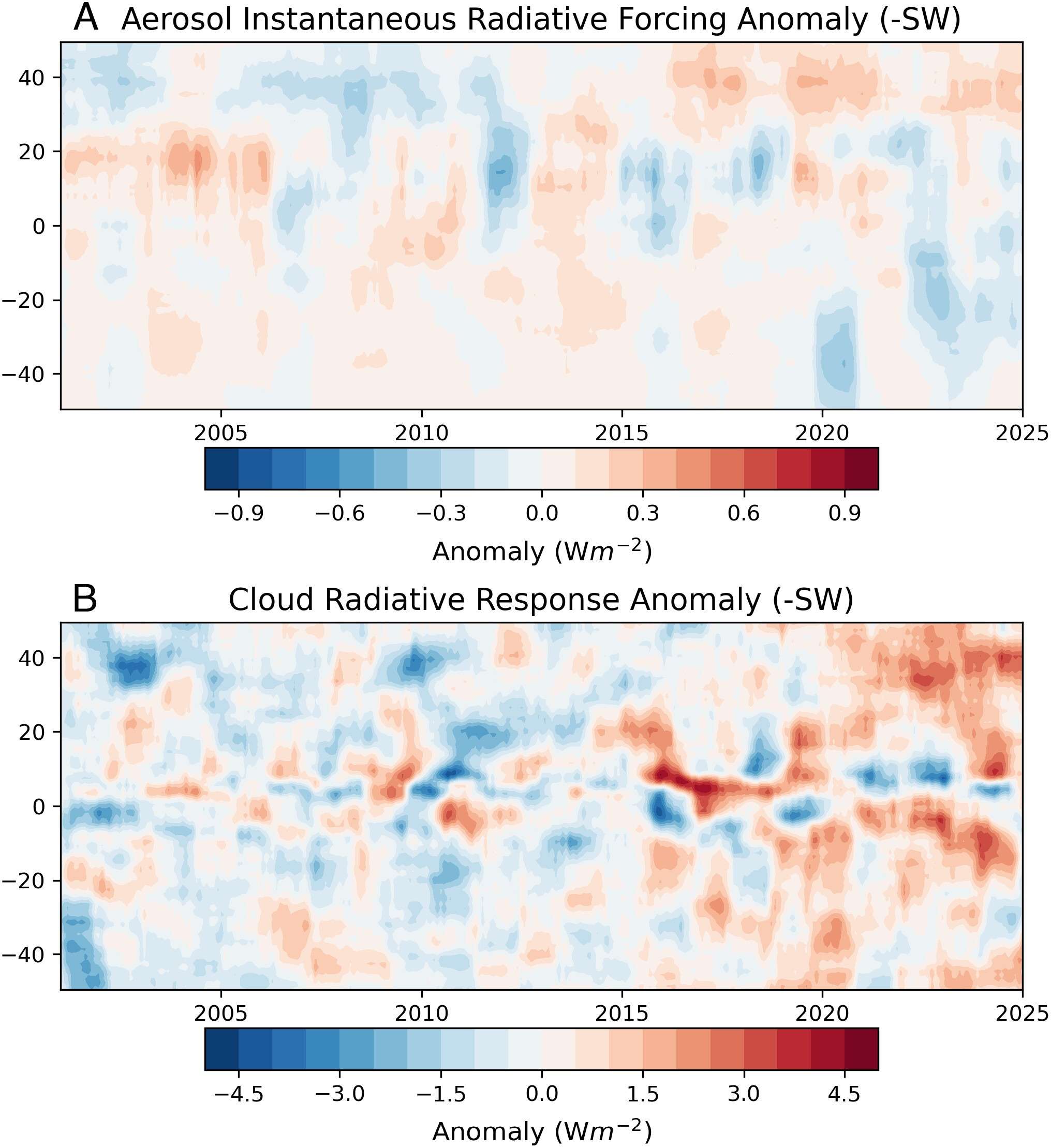
Norman Loeb, lead scientist for NASA’s CERES project, explains: “The idea of clouds functioning as a thermostat to moderate temperature increases is not supported.” The primary contributors to the darkening are non-cloud factors like diminishing sea ice, decreasing snow coverage, and fewer anthropogenic aerosols. The presence or absence of clouds seems to have minimal impact.
This discovery suggests that many climate simulations may underestimate how rapidly the Northern Hemisphere will warm. A self-reinforcing cycle is apparent: darker surfaces trap more heat, speeding ice melt, which exposes more dark terrain, further increasing heat absorption. Without intervention, summers could become increasingly intense.
Cleaner Skies, Rising Temperatures
An interesting paradox arises from stricter air pollution controls. Over the past three decades, emissions of sulfur dioxide and similar particles have dropped sharply in regions like Europe, North America, and China, improving public health. However, this has also decreased the atmospheric aerosol 'mirror' effect that once reflected sunlight.
With fewer aerosols, sunlight reaches the surface more directly, amplifying warming—especially in the Northern Hemisphere, where urban and industrial zones dominate. This change has contributed to hotter, extended summers, as Discover Magazine reports. Satellite measurements from 2001 to 2019 show a decrease in albedo by about 0.5 watts per square meter, meaning Earth absorbs roughly 0.3% more solar energy than previously.
The distribution of this additional energy is uneven, with Vice News highlighting accelerated warming across Arctic and sub-Arctic zones as reflective snow gives way to dark water and rock. Even slight shifts in reflectivity can have widespread consequences on global temperature patterns.
- Categories:
- Science












0 comments
Sign in to Comment