
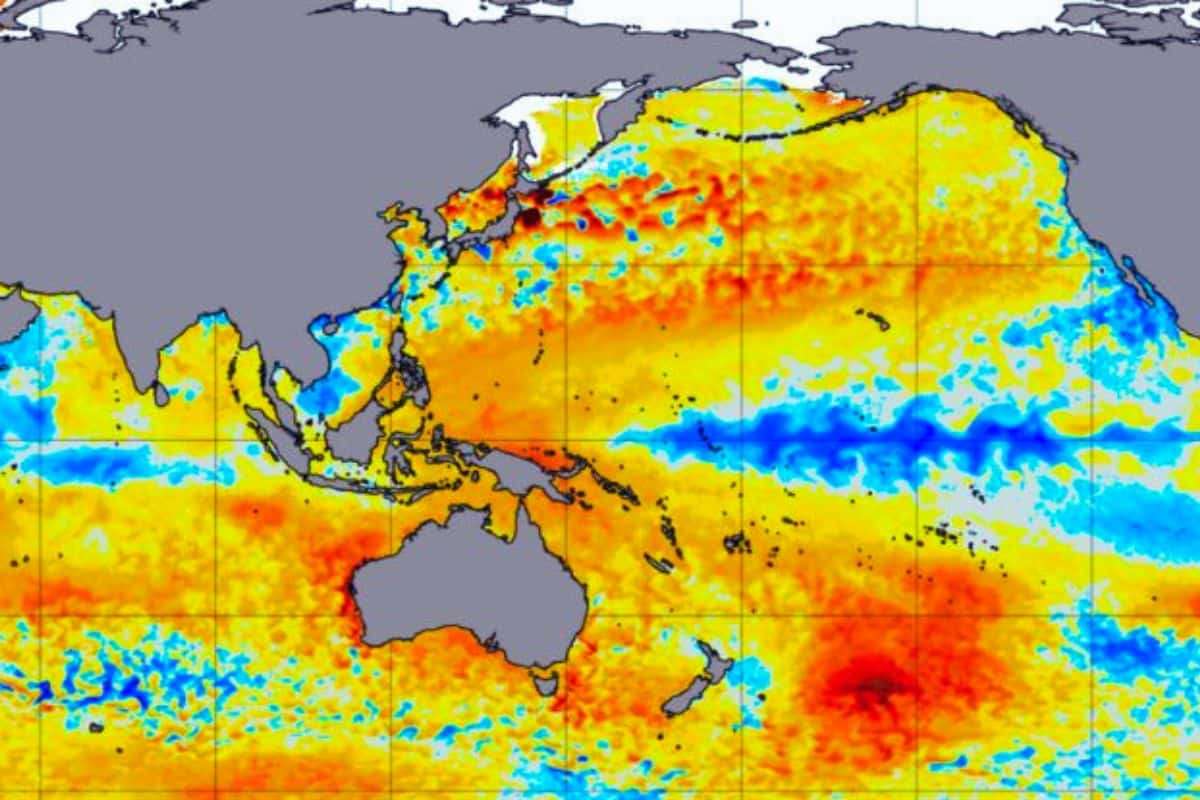
The planet’s oceans are experiencing an extraordinary warming trend, with surface temperatures now climbing at rates exceeding four times those recorded in the 1980s. This swift escalation not only shatters prior records but also intensifies severe weather, damages marine ecosystems, and threatens global stability. Scientists are urgently working to grasp the full scale and unexpected acceleration of ocean heating observed in recent years.
Unprecedented Increase in Ocean Surface Heating
A recent analysis by researchers at the University of Reading indicates that sea surface temperatures are rising at approximately 0.27 °C per decade, a sharp contrast to the mere 0.06 °C per decade noted in the 1980s. This rapid absorption of heat in the upper ocean layers creates a hazardous reinforcing cycle with potentially severe climate repercussions.
Meteorologist Chris Merchant likened the ocean's warming dynamics to a bathtub filling with hot water: “In the 1980s, the hot tap flowed slowly, warming the water just slightly per decade. Today, this tap is fully opened, accelerating warming dramatically.”

If this trajectory holds, the coming two decades may witness more warming than the combined temperature increases of the past forty years.
Beyond El Niño: Additional Drivers Behind Ocean Heating
While natural phenomena like El Niño contribute to periodic temperature rises, the current surge far exceeds what these events alone can explain. Several other factors likely fuel this accelerated warming:
- 2022 Eruption of Hunga Tonga-Hunga Ha’apai: This volcanic eruption released vast amounts of water vapor into the atmosphere, acting as a powerful greenhouse gas and boosting heat retention.
- Decline in Cooling Aerosols: New shipping regulations implemented since 2020 have drastically reduced sulfur emissions, leading to clearer skies and diminishing the cooling effect these particles previously provided.
- Elevated Solar Activity: Currently at its peak, the solar cycle is increasing Earth's energy input from the Sun.
Despite these contributors, they alone fail to fully account for the sharp jump in ocean temperatures, highlighting a potentially greater issue: oceans are soaking up heat faster than climate models had forecasted.
The Impacts of Intensifying Ocean Heat
The oceans serve as the Earth’s primary heat reservoir, absorbing roughly 90% of the excess heat linked to global warming. However, rapid heating triggers numerous harmful consequences:
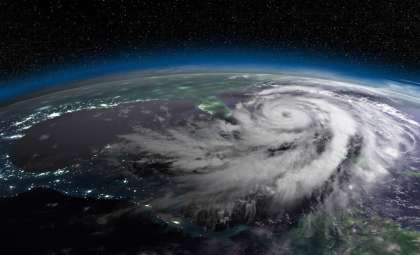
ImpactDetailsAmplified extreme weatherStorms such as hurricanes and typhoons gain strength from warmer waters, leading to intensified disasters like the recent fires in Los Angeles and floods in Valencia.Severe marine heatwavesExtended periods of elevated ocean temperatures cause coral bleaching and ecosystem collapse, exemplified by damage to the Great Barrier Reef.Rising sea levelsOcean expansion due to heat, combined with melting ice sheets in Greenland and Antarctica, accelerates coastal erosion and flooding risks.Threats to fisheriesChanging fish migration patterns disrupt aquatic food chains and jeopardize global food supplies.Increasing health hazardsWarm waters foster bacterial growth, elevating the incidence of waterborne illnesses.
Urgency of Immediate Action
Though the situation presents grave challenges, experts stress that effective interventions remain possible but require swift and bold measures. Curtailing fossil fuel use stands out as the most critical step to slow ocean warming. Researchers warn against assuming past temperature trends will predict future changes, as current warming rates exceed earlier projections.
It is crucial that governments, industries, and individuals prioritize transitioning toward cleaner energy solutions. While subsidies for fossil fuels persist in some regions, robust evidence supports that adopting renewable power can significantly slow warming and mitigate further environmental damage.
Merchant and his team caution: “The past pace of global warming underestimates the accelerated changes likely ahead, making deep cuts in fossil fuel emissions imperative.”
- Categories:
- Science










0 comments
Sign in to Comment