
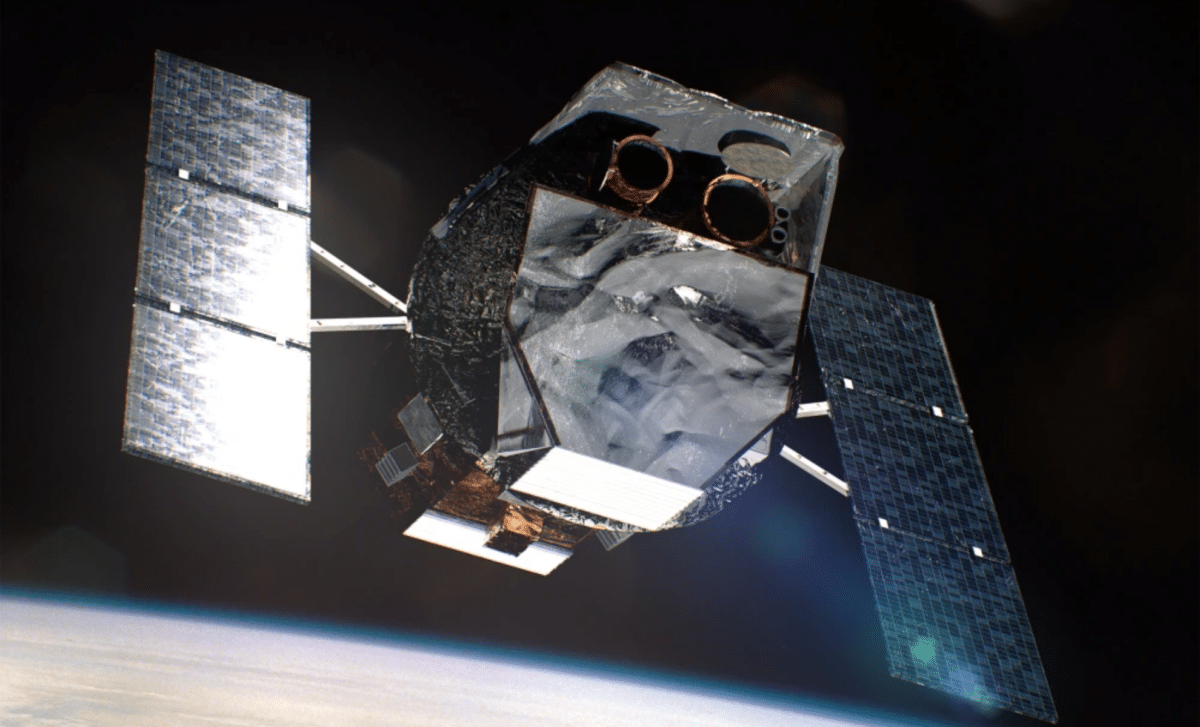
NASA has embarked on a pioneering mission aimed at revolutionizing satellite maintenance while safeguarding one of astronomy’s most influential instruments. The LINK spacecraft, recently deployed, is set to rendezvous with the aging Neil Gehrels Swift Observatory, securely dock with it in orbit, and elevate the telescope to a higher, more stable orbit to prevent its inevitable atmospheric decay. This endeavor goes beyond a simple spacecraft salvage operation, showcasing advanced technologies that could soon be vital for prolonging the operational life of satellites and research platforms orbiting Earth.
Urgent Efforts to Preserve a Crucial Space Observatory
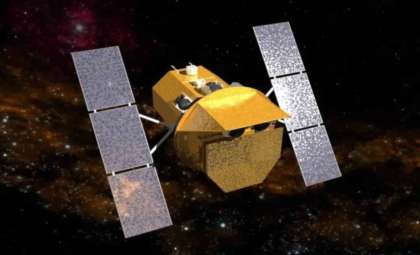
For over twenty years, the Neil Gehrels Swift Observatory has been instrumental in studying some of the universe’s most intense phenomena. Since its 2004 launch, it has detected and analyzed thousands of gamma-ray bursts, as well as supernovae, neutron stars, black holes, and other high-energy cosmic events. Even after two decades in space, Swift continues delivering valuable scientific data, making its sustained activity important for the astrophysics community. The primary risk lies not in its instruments, but in its deteriorating orbit.
Heightened atmospheric drag, intensified by increased solar activity, has gradually lowered Swift’s orbit, putting it on a trajectory for eventual reentry and destruction. Designed without on-board propulsion or servicing capabilities, Swift cannot adjust its altitude independently. Faced with this challenge, NASA opted for an innovative approach that saves the observatory while demonstrating a capability critical for future satellite longevity as more assets remain operational well beyond their initial lifespans.

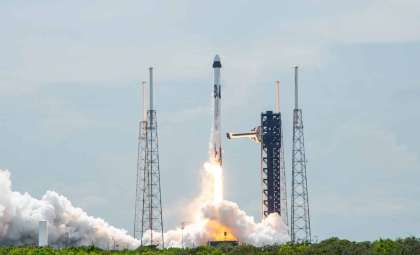
Today our Pegasus XL rocket successfully launched the @KatalystSpace LINK servicing spacecraft to boost the @NASA Swift observatory. Learn more: https://t.co/cw0ltTVpNr pic.twitter.com/CSgg7oCC6p
— Northrop Grumman (@NGCNews) July 3, 2026
LINK's Methodical Approach to Reviving a Space Observatory
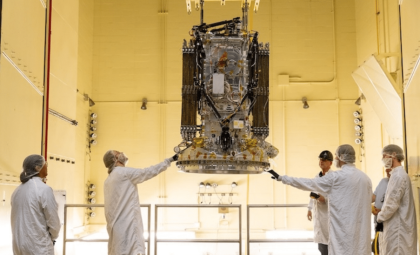
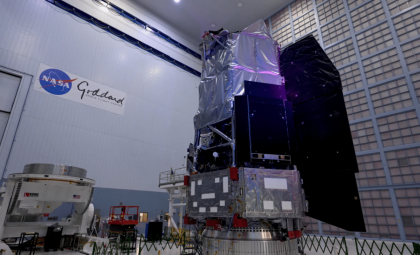
The mission's success hinges on LINK, a robotic spacecraft crafted by Katalyst Space Technologies. After launch on the last Pegasus XL rocket by Northrop Grumman, LINK will carefully approach Swift for a detailed assessment to identify the safest docking point. Utilizing its three robotic arms, LINK will gently capture the observatory and slowly elevate both into a more stable orbit using efficient ion propulsion.
This careful altitude boost will take place over several months to avoid stressing the observatory, raising it to around 600 kilometers above Earth. According to NASA, this operation could extend Swift’s operational life by multiple years if all onboard systems remain functional. This mission is also historic as the first attempt by a privately-developed spacecraft to capture a government satellite, marking a critical milestone for NASA and the growing space servicing commercial sector.
Envisioning a Future of Spacecraft Maintenance
NASA regards this telescope rescue as a glimpse into future space operations. The agency anticipates that similar missions will become standard practice, offering cost-effective options to extend the service lives of aging satellites. Instead of letting valuable assets degrade into orbital debris or succumb to atmospheric drag, robotic servicing crafts could refuel, repair, reposition, or otherwise maintain space infrastructure.
As NASA explains on the Swift Boost mission page:
“While NASA could have allowed Swift to re-enter the atmosphere, the situation presented an opportunity to demonstrate a key capability for the future of space exploration. This daring approach also extends Swift’s scientific lifetime and is more affordable than replacing the observatory’s unique capabilities.”
This statement underscores the broader impact of the mission. Extending the lifespan of an operational observatory is considerably less expensive than creating and launching a new replacement while simultaneously validating vital technologies that may drive future space exploration and orbital infrastructures.
A Landmark Launch Ushering In New Space Capabilities
The launch marked more than a rescue mission; it was the final flight of the Pegasus XL, a cutting-edge air-launched rocket released from the L-1011 Stargazer aircraft based near the Marshall Islands. Since debuting in 1990, Pegasus earned a reputation for delivering payloads into challenging orbital inclinations that conventional rockets struggle to reach. Its unique abilities made it an ideal choice for the Swift retrieval operation.
The project also showcased impressive efficiency, with Katalyst Space Technologies developing, building, and readying the LINK spacecraft in under a year after NASA’s contract award. With costs approximating $30 million, the mission highlights the potential for commercial partnerships to achieve advanced space operations swiftly and cost-effectively. Should LINK succeed in capturing Swift and boosting its orbit, this mission could set a precedent for extending satellite lifespans, mitigating space debris, and redefining satellite fleet management for the coming decades.
- Categories:
- Nasa







0 comments
Sign in to Comment