
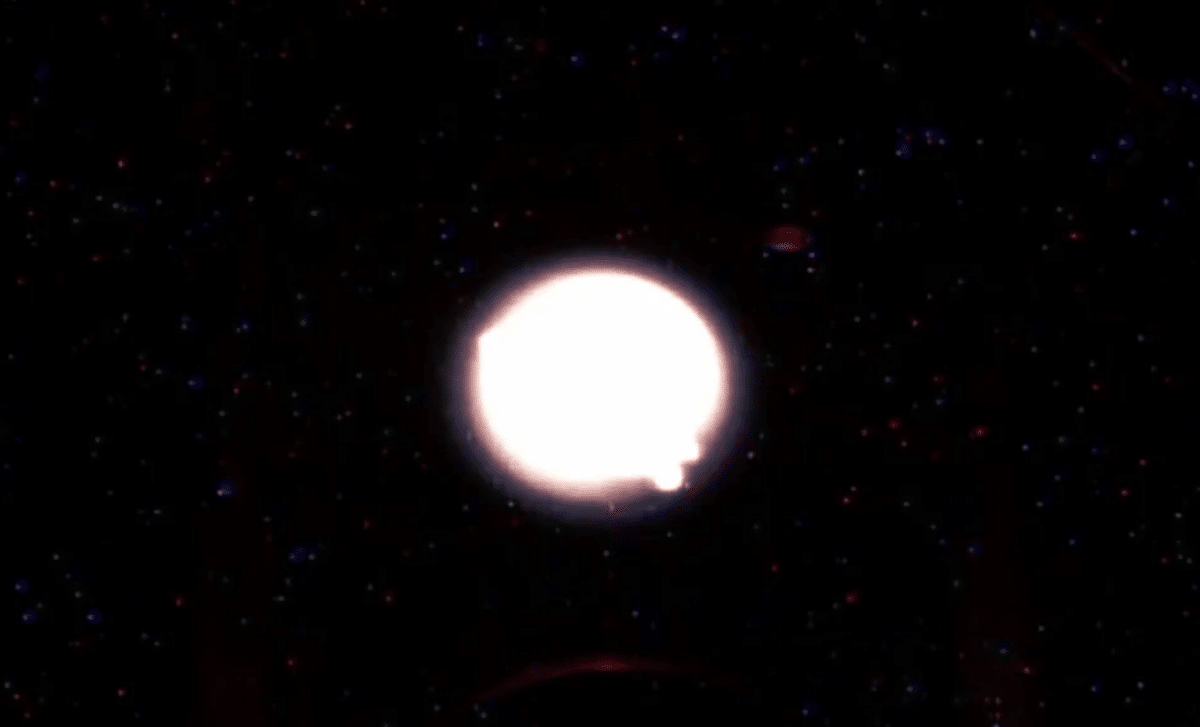
NASA is advancing toward establishing long-term human outposts on the Moon as part of its Artemis initiative. In an unprecedented move, the agency plans to conduct the initial controlled combustion experiment in lunar gravity. This groundbreaking test seeks to explore a vital yet understudied aspect of off-world travel: the behavior of fire on the Moon and how astronauts might manage it if an emergency arises.
The Significance of Starting Fires in Lunar Conditions
At first, the idea of igniting a fire on the Moon may seem counterintuitive or unnecessarily hazardous. However, this experiment addresses one of the most critical safety concerns for future lunar missions. Fire poses a severe threat within spacecraft or lunar habitats, and extensive Earth-based research has shaped fire-resistant materials for use in space. Yet, these materials could respond unpredictably under the Moon's gravity.
The Moon’s gravitational pull is only about one-sixth that of Earth, altering how flames behave. On Earth, warm gases rise quickly, drawing in more oxygen and sustaining the fire. On the Moon, diminished airflow modifies flame shapes, spread patterns, and stability. Experiments aboard space vessels have shown that combustion in low gravity can lead to surprising results, like certain materials igniting more readily than anticipated from Earth-test data.

As astronauts gear up for longer lunar stays, gaining knowledge about fire’s behavior becomes crucial. All structures, vehicles, and life support components must prioritize fire safety. Without authentic lunar data, developers rely heavily on models and simulations that may not truly capture lunar conditions. This upcoming test aims to close that significant gap before long-term human presence on the Moon becomes routine.
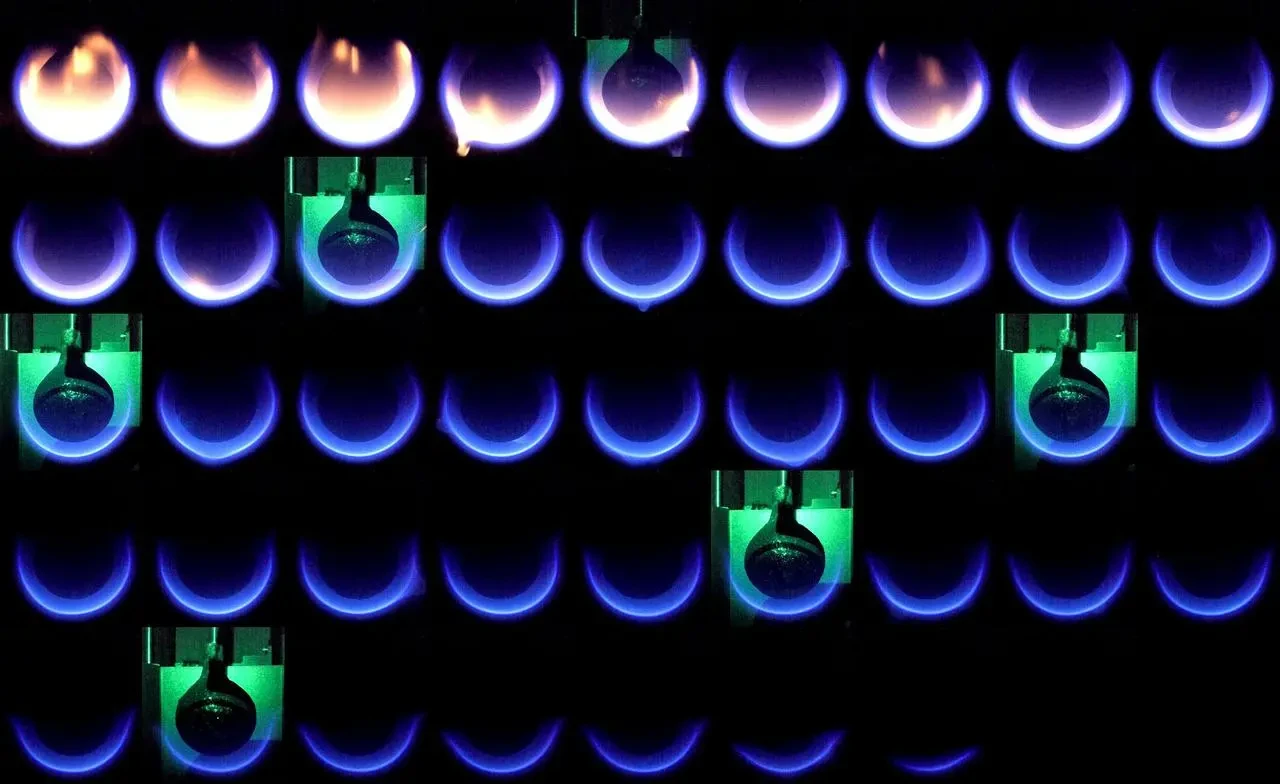
NASA’s Quest for Authentic Lunar Combustion Data
According to NASA, the experiment involves positioning four solid fuel samples inside a hermetically sealed combustion chamber crafted for the Moon’s environment. Each fuel sample will be ignited with precision while advanced sensors document the fire’s development from start to finish.
Investigators will track changes in flame size, heat exchange, oxygen use, emitted radiation, and temperature. This will yield the first direct readings of fire under genuine lunar gravity, as opposed to laboratory tests or orbital experiments.
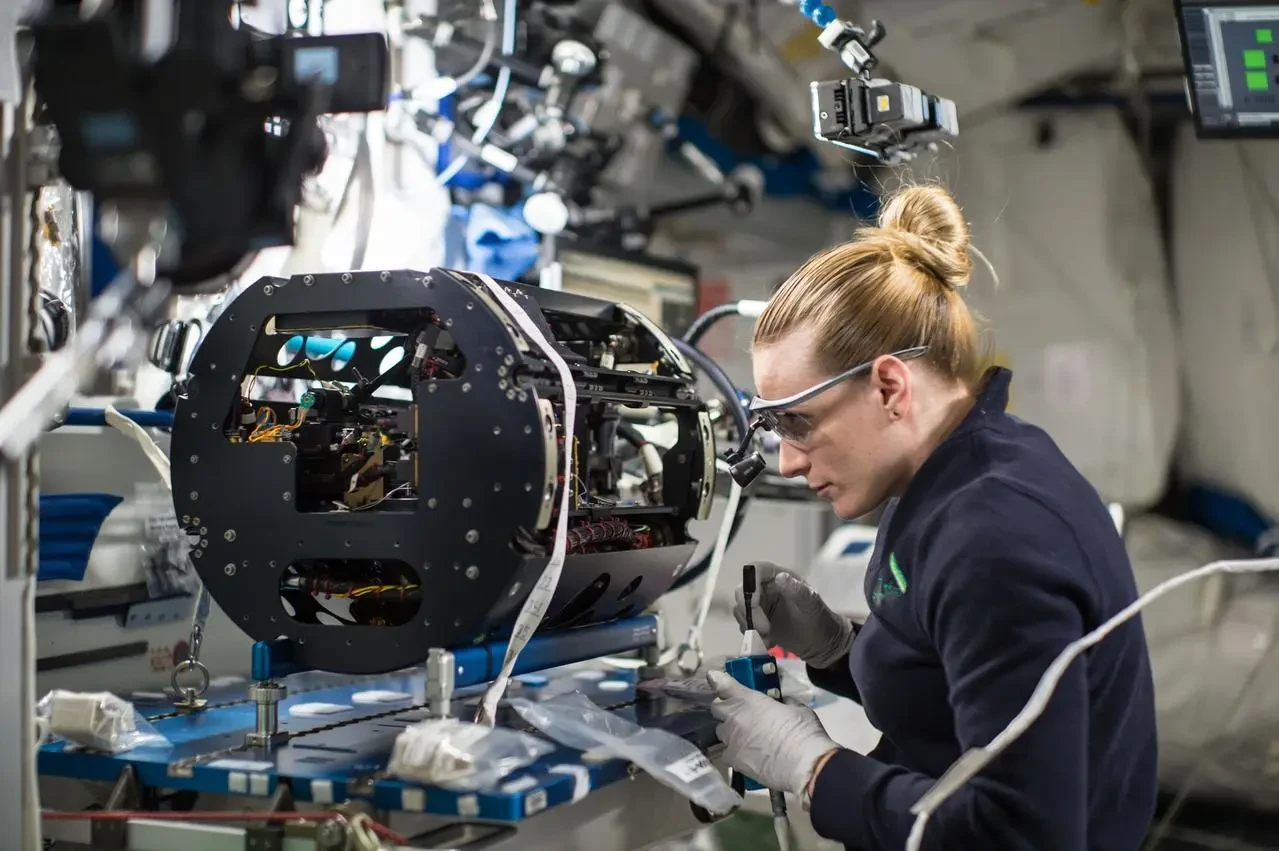
The insights gained could transform the design of spacecraft and habitats. It’s possible some materials currently deemed safe for spaceflight might exhibit heightened flammability on the Moon, while others may perform better than expected. Such discoveries will influence future building codes, emergency protocols, equipment approvals, and astronaut safety measures.
These findings are pivotal as NASA prepares for Artemis missions aiming to establish a continuous human foothold near the lunar south pole and lay groundwork for manned Mars exploration.
The Moon’s Gravity Alters Fire Dynamics
Combustion hinges on precise interactions among fuel, oxygen, heat, and airflow. Gravity on Earth naturally causes hot gases to swell upward, generating convection currents that supply fresh oxygen and disperse heat. On the Moon, these convection flows weaken, fundamentally changing how flames ignite, blaze, and wane.
Reduced convection can slow flame spread or alter how flames move over materials. Some fires that would extinguish quickly on Earth may persist longer, and others may ignite more easily under the Moon’s unique conditions, especially inside pressurized living spaces.
Lunar habitats are expected to maintain lower atmospheric pressures combined with elevated oxygen levels compared to Earth. These settings enhance astronauts' mobility in suits but increase the flammability of many common materials. Even small shifts in oxygen concentration can significantly impact flame propagation, reinforcing the need for precise testing before humans live on the Moon long-term.
By replicating these conditions in a controlled lunar experiment, scientists aim to pinpoint fire risks and craft safer technologies to preempt crises during extended stays.
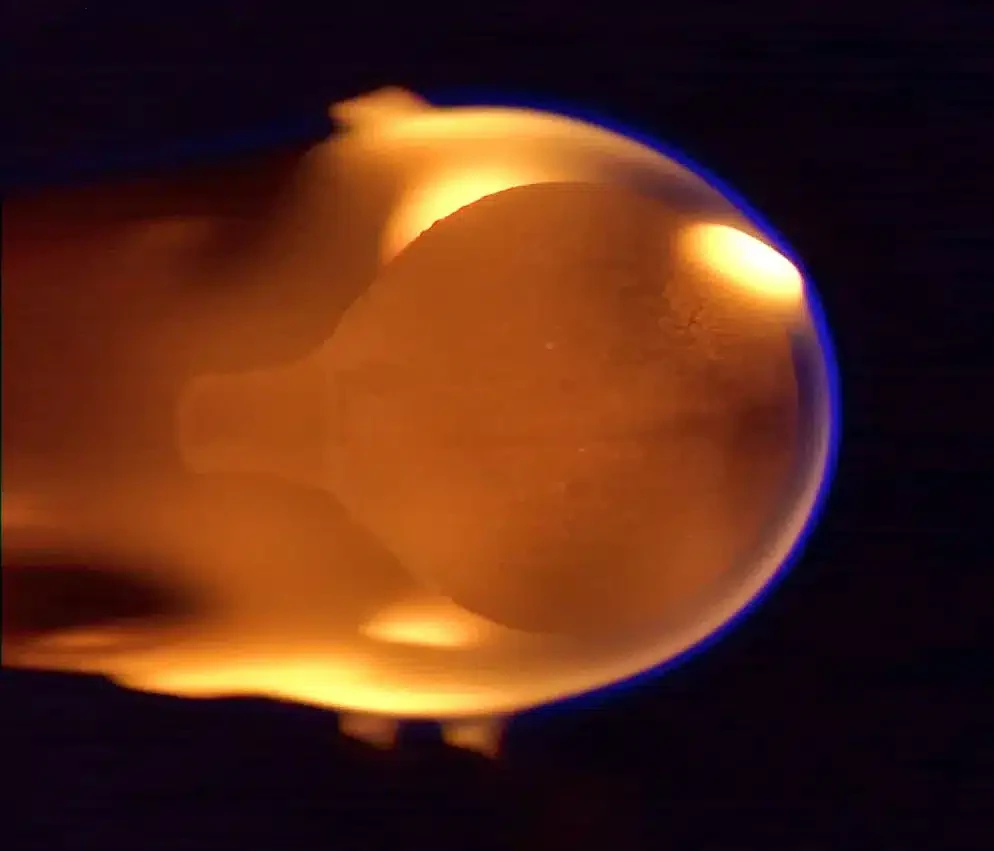
Small-Scale Fire Tests with Far-Reaching Impact
Though involving only four small fuel samples, this experiment’s ramifications extend well beyond lunar exploration. The knowledge obtained will guide the engineering of safer spacecraft, moon bases, cargo carriers, and future Martian colonies.
Results could prompt NASA to update regulations governing materials for space missions, affecting everything from insulation and wiring to interior surfaces and emergency systems. These findings give engineers their first chance to validate combustion theories with actual lunar gravity data, enhancing spacecraft design accuracy.
As humanity embarks on establishing a permanent presence beyond Earth, mastering fire safety becomes as crucial as advancements in propulsion, navigation, and life support. Though brief, the first lunar flame promises knowledge that will safeguard explorers throughout decades of space travel.
- Categories:
- Astronomy






0 comments
Sign in to Comment