
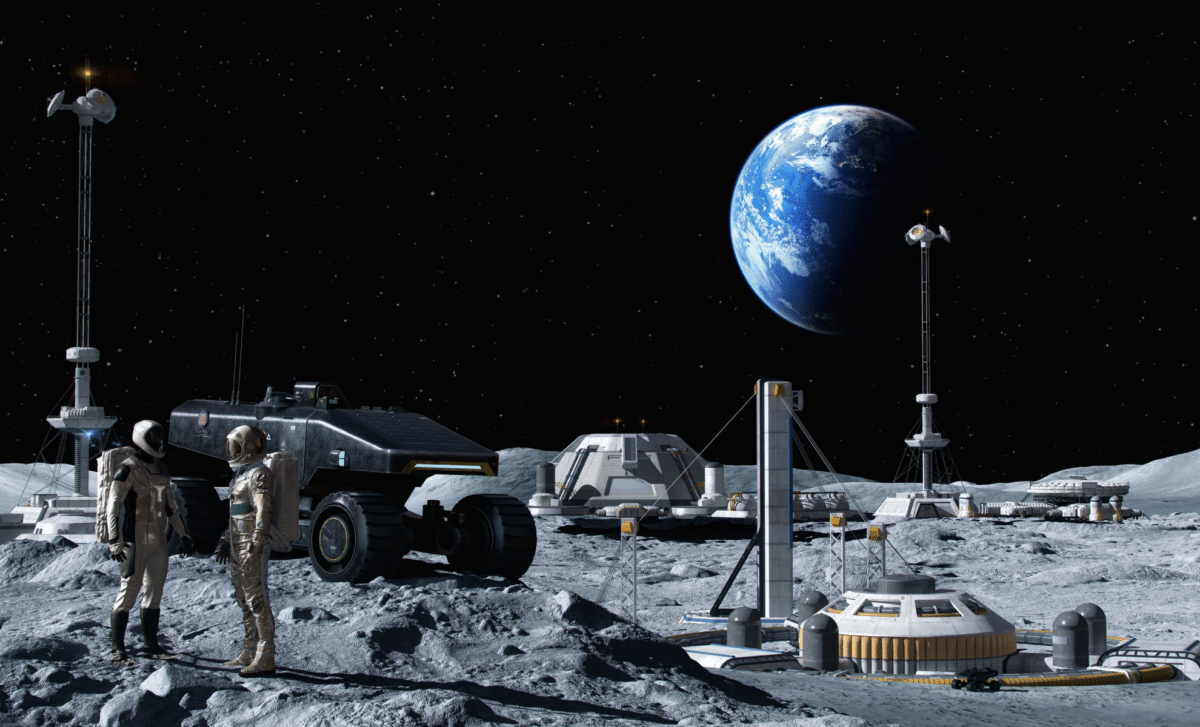
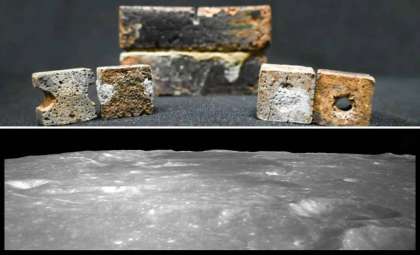
Imagine building habitats for human astronauts using the moon’s own regolith. A new investigation featured in Acta Astronautica reveals how 3D printing with moon-like soil might soon enable this vision. Scientists from Ohio State University have crafted a pioneering approach to convert simulated lunar dust into robust, heat-resistant materials, opening up possibilities for sustainable extraterrestrial settlements and reducing dependency on Earth-imported supplies.
The Influence of Environmental Factors on Lunar Soil Behavior
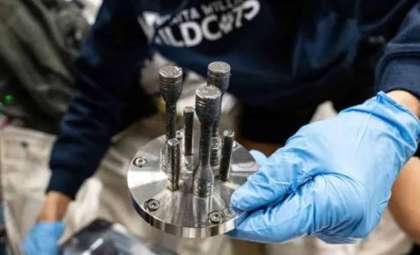
This research, detailed in Acta Astronautica, highlights how the properties of lunar soil simulants are affected by environmental variables. Led by Sizhe Xu, the team investigated the effects of incorporating different feedstock materials such as metals and ceramics during the 3D printing process. Their findings indicate that environmental conditions considerably alter the characteristics of the printed materials. As Xu articulated,
“By combining different feedstocks, like metal and ceramics, in the printing process, we found that the final material is really sensitive to the environment. Different environments lead to different properties, which directly affect the mechanical strength and the thermal shock resistance of certain components.”
Add Cosmo Herald as a Preferred Source

The strength and durability of the printed structures were strongly influenced by the nature of the substrate used. For instance, the lunar dust simulant showed superior adhesion when printed onto alumina-silicate ceramic compared to surfaces like stainless steel or glass. This insight is critical as it points to the importance of the printing surface in achieving stable and reliable lunar constructs.
Addressing the Challenges of the Lunar Environment
Constructing on the lunar surface involves complex hurdles that are hard to mirror on Earth. Factors such as the harsh vacuum, abrasive dust, and extreme temperature swings create a severe environment that is difficult to fully replicate in terrestrial labs.
“There are conditions that happen in space that are really hard to emulate in a simulant,” said Sarah Wolff, senior author of the study and an assistant professor in mechanical and aerospace engineering at Ohio State University. “It may work in the lab, but in a resource-scarce environment, you have to try everything to maximize the flexibility of a machine for different scenarios.”
This underscores the difficulty of engineering 3D printers capable of operating effectively on the moon. The investigation stresses that future systems must be highly adaptable and possibly powered by solar or mixed-source energy to maintain operations without relying on Earth supplies.
Advancing In-Situ Resource Utilization for Lunar Construction
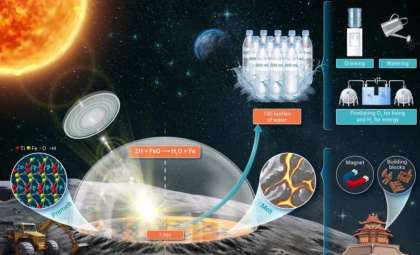
A major advantage of employing lunar soil in additive manufacturing is the principle of In-Situ Resource Utilization (ISRU), which aims to leverage on-site materials instead of importing resources from Earth. This approach could dramatically cut mission costs and logistical hurdles. Wolff emphasized,
“There are so many applications that we’re working toward that with new information, the possibilities are endless.”
Producing habitats, tools, and infrastructure directly on the moon would empower astronauts to become more self-reliant during long-term explorations, especially as deep-space missions expand.
The implications of this technology extend well beyond space travel. Enhanced manufacturing techniques that minimize resource usage could also help mitigate material shortages here on Earth.
As Xu noted, “If we can successfully manufacture things in space using very few resources, that means we can also achieve better sustainability on Earth.”
Such advances could revolutionize eco-friendly production methods across various industries on our home planet.
Enhancing 3D Printing Adaptability for Moon Missions
The primary aim of this study is to boost the versatility and reliability of lunar 3D printing technology. The authors stress adaptation to space’s unique conditions as essential for mission longevity and success.
“To that end, improving the machine’s flexibility for different scenarios is a goal we’re working really hard toward,” said Xu.
Such adaptability would enable astronauts to swiftly tailor materials and constructions for unforeseen needs, making the most of limited lunar resources.
With NASA’s Artemis initiative targeting sustained human presence on the moon, innovations like this stand to play a vital role. Being able to manufacture essential infrastructure in situ will significantly reduce reliance on Earth resupply, promoting more autonomous and enduring lunar settlements.
- Categories:
- News




0 comments
Sign in to Comment