
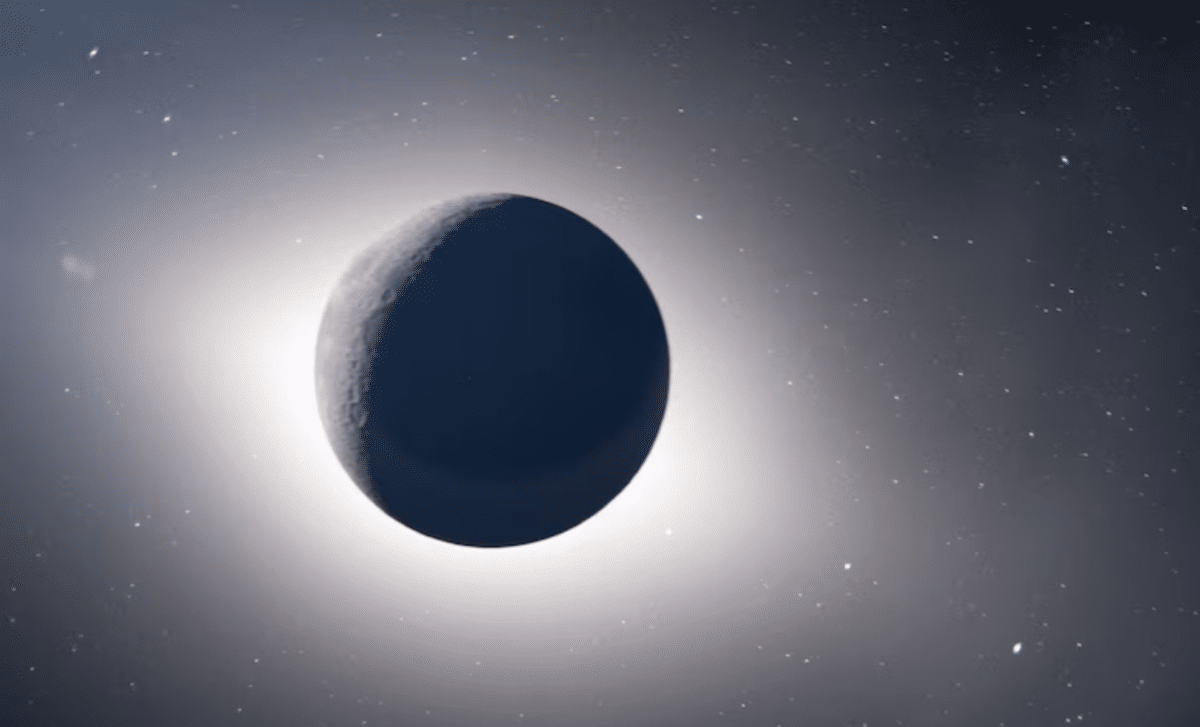
NASA has just made available an extensive archive featuring upwards of 12,000 photographs taken during the groundbreaking Artemis II expedition, providing an extraordinary visual chronicle of humanity’s most distant space journey in more than five decades. This collection expands on previously released images, showcasing the mission’s vast scope and scientific significance as astronauts traveled farther from Earth than ever before.
Unveiling the Artemis II Journey in Unprecedented Detail
The latest compilation from NASA captures key moments from one of the most daring crewed spaceflights of recent times. The mission involved four astronauts — Reid Wiseman, Victor Glover, Christina Koch, and Jeremy Hansen — covering a staggering 694,481 miles as they orbited the Moon’s far side. This was the first human flyby around the Moon since Apollo, setting a new benchmark for exploration.
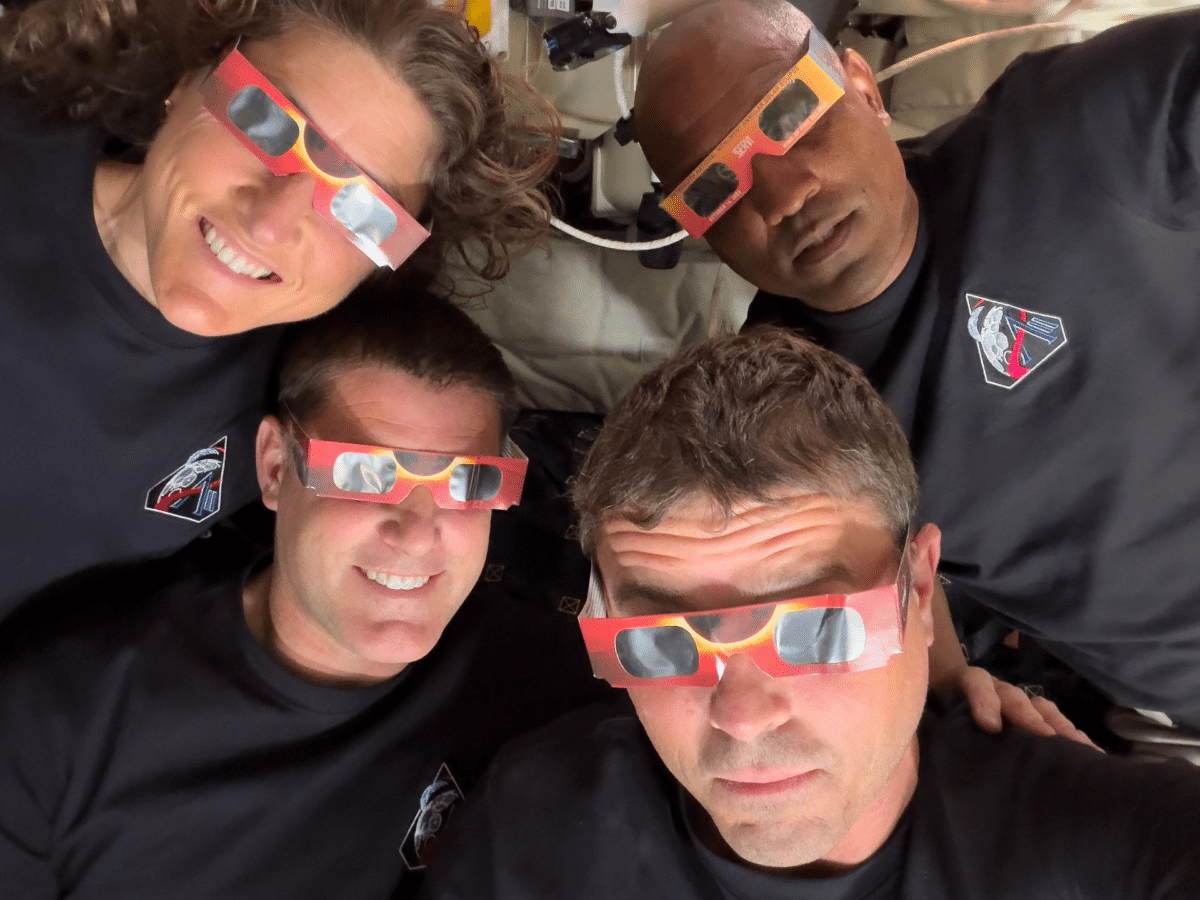
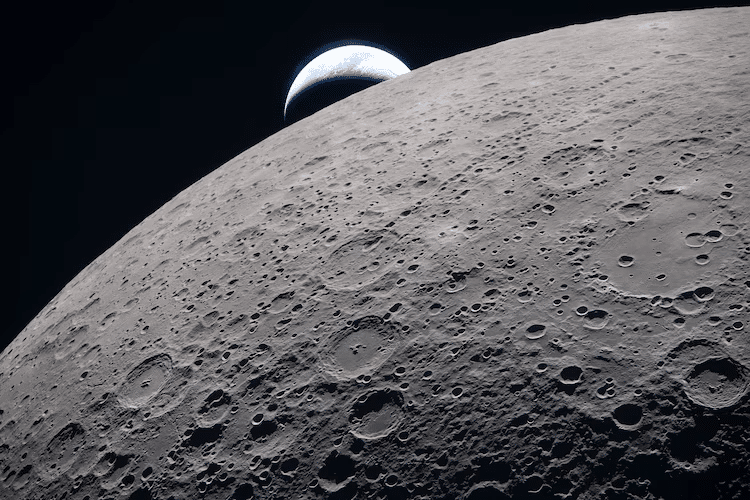
The enormous archive includes thousands of images previously unseen by the public or mission broadcasters. These consist of detailed photos of the Moon’s rugged far side, artistic star trail sequences created with long exposures, and captivating images showing Earth as a slim crescent hanging in the darkness. The breadth of imagery reflects both the mission’s extensive timeframe and the astronauts’ meticulous documentation of the trip.

Utilizing cutting-edge equipment—from advanced Nikon camera systems to customized iPhone 17 devices—crew members captured space scenes with a clarity and adaptability unseen in earlier lunar research missions. The resulting images blend scientific insight with personal perspective, deepening both expert and public appreciation of the distant cosmos.
Exceptional Lunar, Earth, and Cosmic Perspectives
Highlighted within the collection are close-up views of the Moon’s surface, revealing craters, ridges, and shadowed regions with exceptional detail. Such imagery will assist upcoming Artemis landings by providing valuable data on terrain features and illumination across the Moon’s far side.
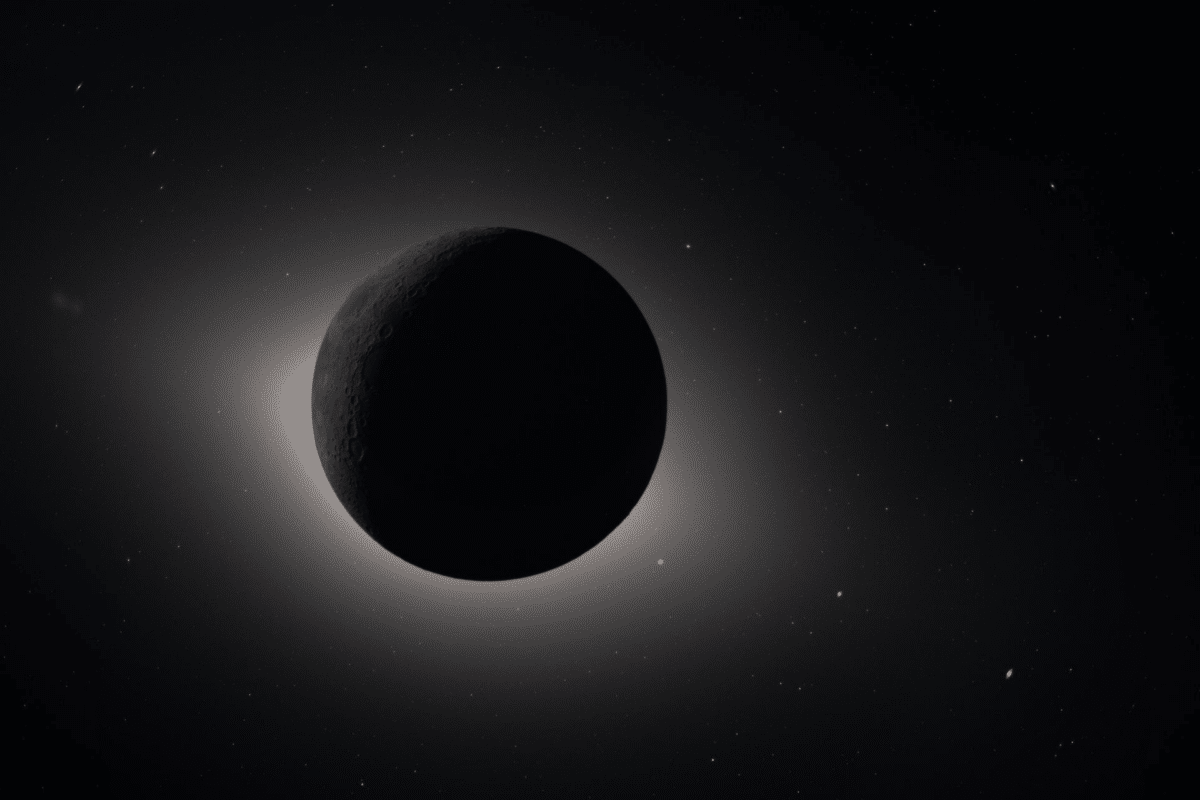
Among the most mesmerizing shots are those taken during a total solar eclipse observed from lunar orbit. These photos illustrate the Sun’s corona shining around the Moon’s dark silhouette—a vantage point impossible from Earth—and will aid ongoing solar physics research while delivering visually compelling proof of celestial motion.
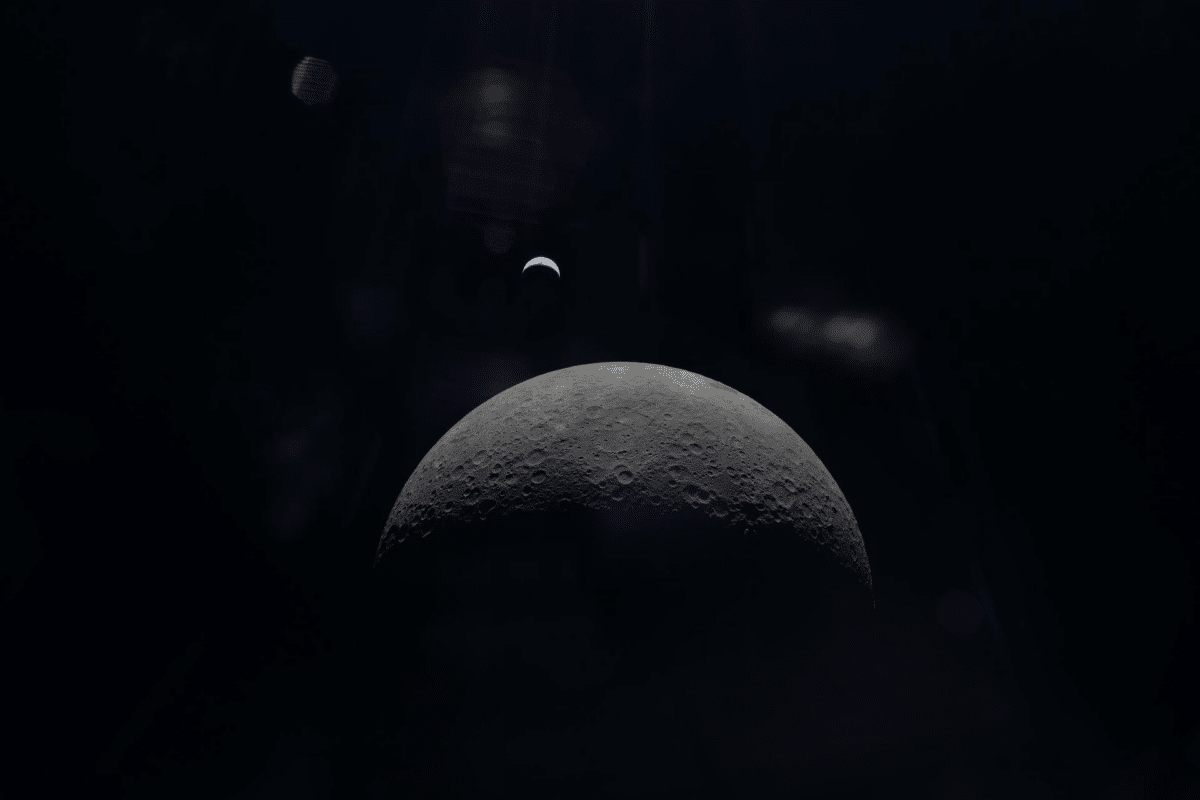
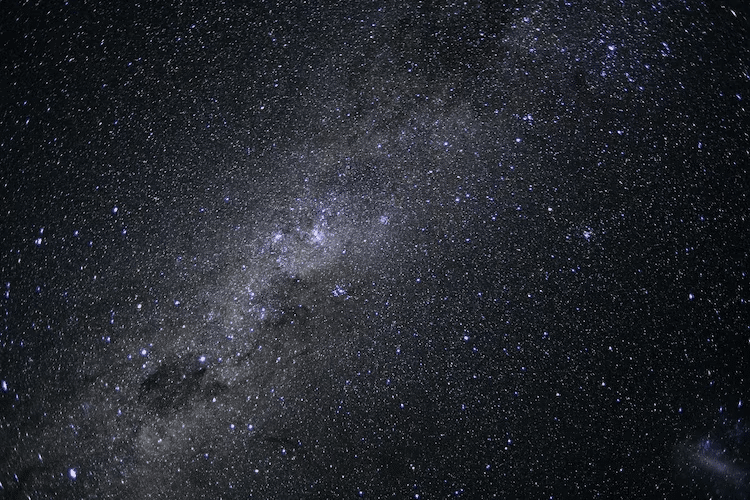
The archive also encompasses wide-field images of the Milky Way, along with long-exposure star trails illustrating stellar movement relative to the spacecraft. These visuals not only dazzle but also confirm the Orion spacecraft's stable orientation during flight operations.
Breaking New Ground for Human Space Exploration
A notable aspect of the image release is the human-centric perspective, with several photos showing astronauts inside the Orion craft framed by windows revealing a distant Earth. These intimate frames underscore the mission’s magnitude—traveling farther than any humans before, yet visually connected to our home planet.
Artemis II established a new record for the greatest distance humans have ventured from Earth, exceeding Apollo missions. Crucially, it provided unprecedented direct observation of the Moon’s far side, long hidden from Earth, offering insights critical for both scientific study and future mission design.
Setting the Stage for Future Moon Missions
This comprehensive image release goes beyond documentation, serving as an essential resource for upcoming Artemis expeditions, including planned human lunar landings and extended surface operations. Visual data like this will help specialists improve navigation, landing accuracy, and placement of habitats on the Moon.
Beyond its practical uses, the archive highlights the enduring cultural and symbolic importance of sending humans into space. By sharing thousands of high-resolution photos with the world, NASA continues to elevate Artemis as both a scientific milestone and a landmark in global exploration.
The Artemis II photo collection transforms this single voyage into a lasting archive, shaping the path forward for humanity’s future journeys to the Moon and eventually Mars.
- Categories:
- News









0 comments
Sign in to Comment