
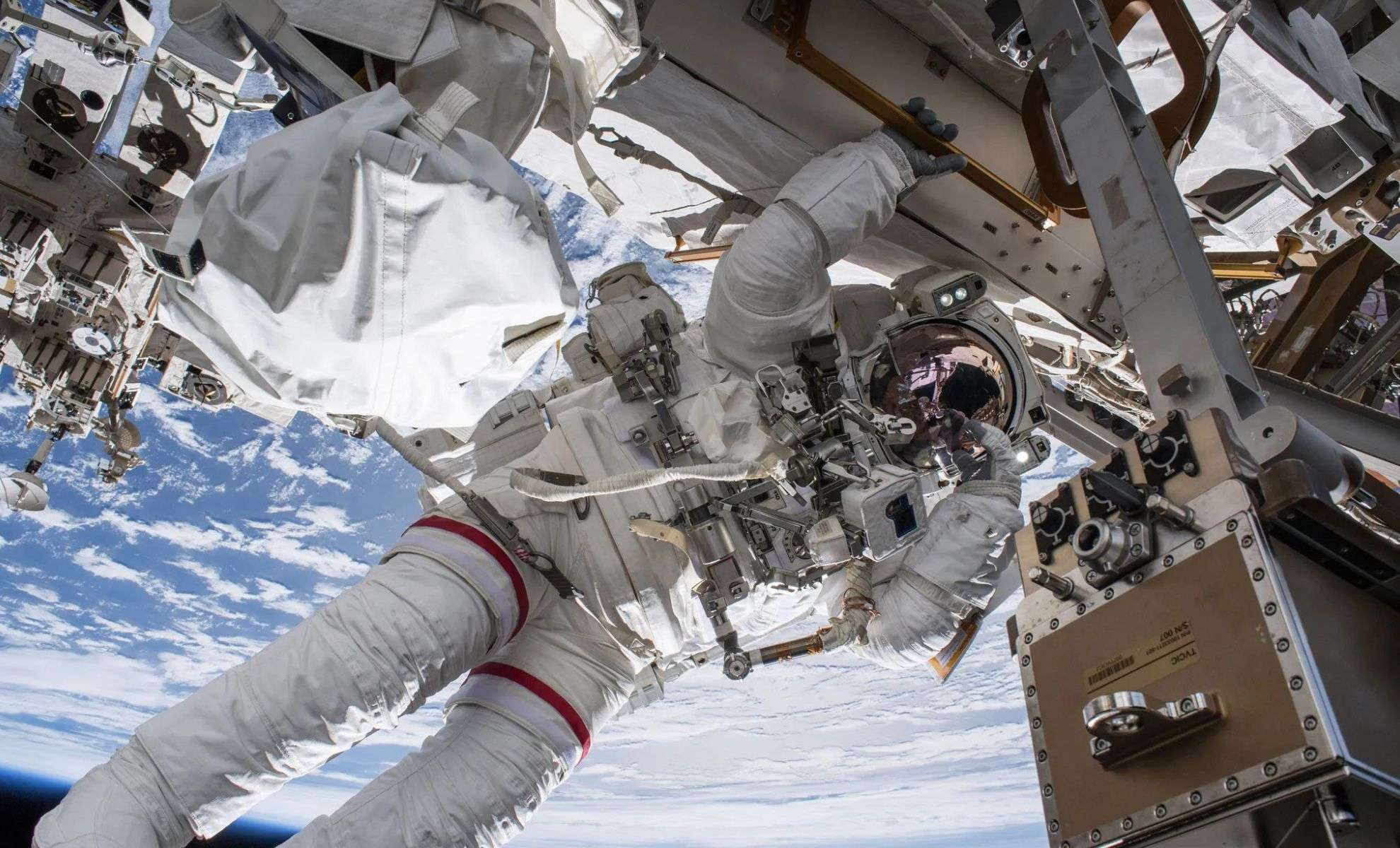
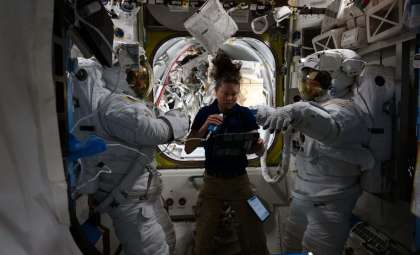
For almost seven months, the familiar activity of astronauts gearing up for spacewalks aboard the International Space Station (ISS) came to a standstill. This pause was triggered by problems with NASA’s aging Extravehicular Mobility Unit (EMU) spacesuits, which have been in service for more than 40 years.
The latest incident happened in June 2024 when astronaut Tracy Dyson’s suit began leaking water during pre-spacewalk checks. Broadcast live from the ISS, her urgent words, “There’s water everywhere,” prompted the immediate cancellation of the planned mission, followed by an indefinite suspension of all spacewalks. The malfunction was eventually attributed to a defective seal and an umbilical cord connection malfunction.
Similar issues have plagued NASA before. In 2013, ESA astronaut Luca Parmitano had to cut short a spacewalk due to water infiltration, spotlighting the urgent need for safer spacesuit technology. Consequent to these vulnerabilities, NASA paused all extravehicular activities in 2022 and again in 2024 to evaluate and repair the EMU fleet.

Resuming Vital ISS Operations
After extensive assessments and repairs, NASA has confirmed the safety of the EMUs, allowing spacewalks to restart. Upcoming missions will address essential scientific instruments and prepare the station for upcoming enhancements.
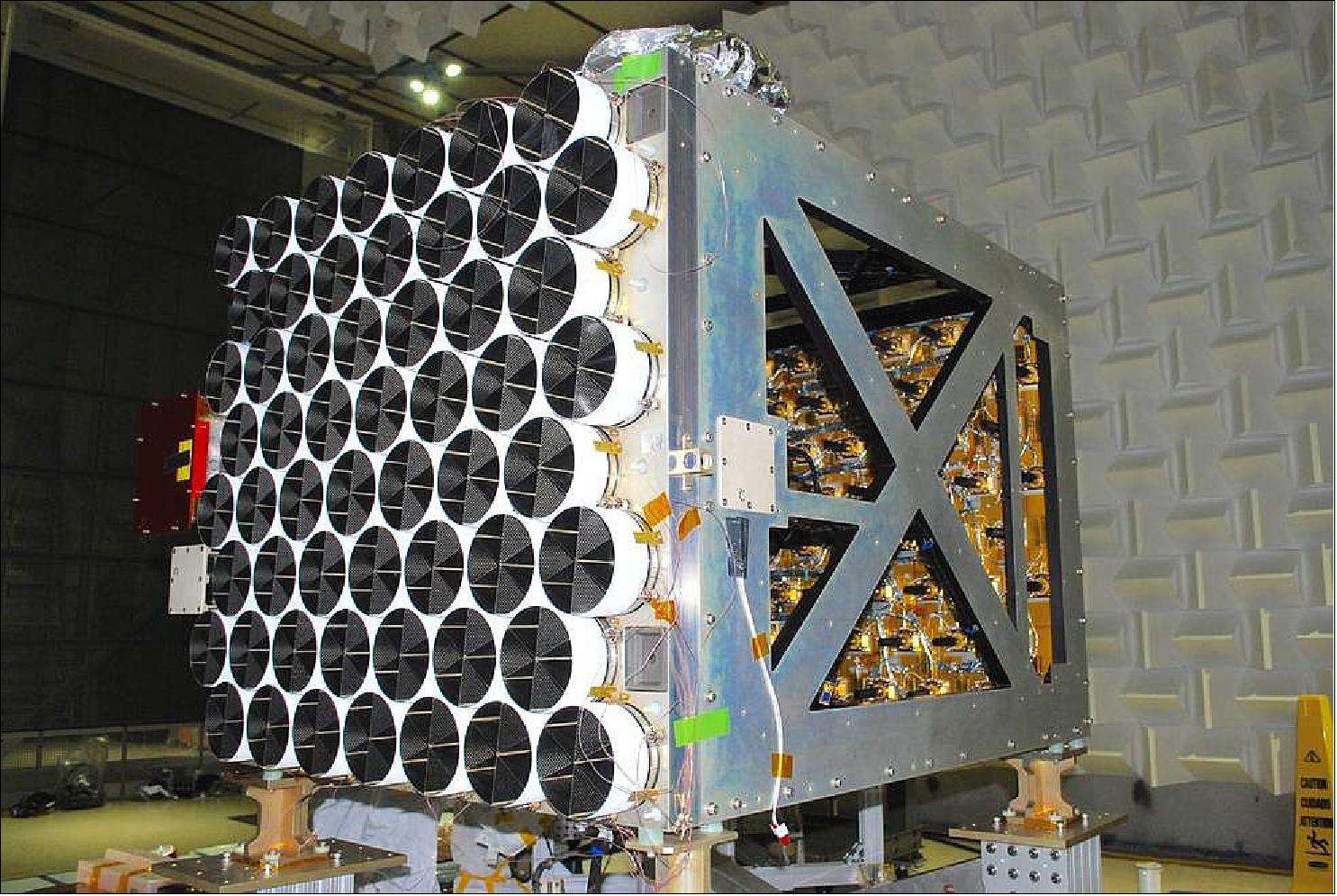
One mission will focus on swapping out a rate gyro assembly, a key component that helps maintain the station’s orientation in orbit. Astronauts will also work on the NICER X-ray telescope, a cutting-edge device mounted outside the station used for investigating neutron stars, black holes, and other energetic cosmic events.
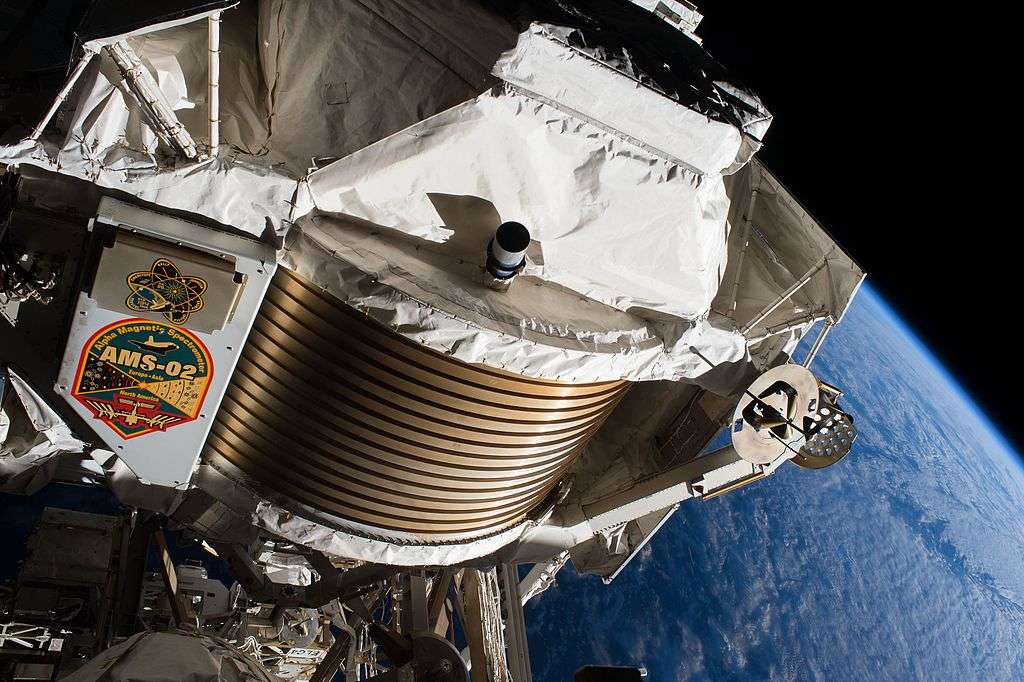
Further spacewalks will target the Alpha Magnetic Spectrometer (AMS), a sophisticated experiment examining cosmic antimatter and dark matter. As a key part of ISS scientific endeavors, upgrading the AMS will ensure its continued impact on revolutionary space research.
Both projects highlight NASA’s dedication to preserving the ISS’s scientific instruments and infrastructure, even as the station approaches the end of its operational timeline.
The Complexities of Spacewalks in Orbit
Performing spacewalks in low Earth orbit is a physically and mentally taxing endeavor. Astronauts must work within extreme temperature shifts and adhere to tightly choreographed movements to ensure safety.
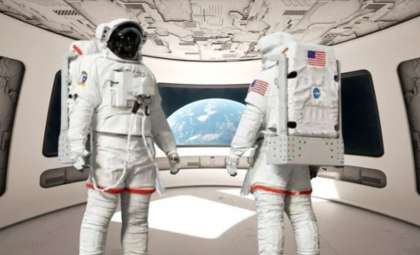
NASA’s spacesuits, originally developed in the 1970s for the Space Shuttle Program, are now stretched beyond their intended lifespan. Although they represented major technological advancements in their era, decades of use have revealed weaknesses, including the risk of water intrusion.
To address these concerns, NASA has invested heavily in crafting new suit designs. In 2022, contracts totaling $3.5 billion were awarded to Axiom Space and Collins Aerospace for developing advanced spacesuits suited to ISS operations and upcoming lunar missions under the Artemis program. Meanwhile, the current EMUs remain essential for ongoing extravehicular tasks.
A Transitional Period for the ISS
The restart of spacewalks holds special importance as the ISS nears retirement in the coming decade. Over its two-decade legacy, the station has stood as a symbol of international partnership and scientific progress. NASA and its collaborators are working to maximize the station’s potential in its final years.
Astronauts like Suni Williams and Butch Wilmore, aboard the ISS since arriving via Boeing’s challenging Starliner spacecraft in June 2024, face a personally meaningful series of missions. Slated to return to Earth on a SpaceX Dragon capsule in March 2025, Williams and Wilmore see these spacewalks as a way to contribute significantly to the station’s enduring legacy.
The upcoming operations also point to the delicate balance between upkeep and research aboard the ISS. Every spacewalk demands intense preparation, coordination, and precision, with astronauts training rigorously to guarantee mission success and safety.








0 comments
Sign in to Comment