

NASA has revealed that its next two Artemis missions will face notable postponements, pushing the initial human Moon landing to mid-2027. These adjustments follow a thorough review of unexpected damage to the Orion crew capsule’s heat shield observed during the Artemis I flight. The postponements also allow NASA additional time to implement critical enhancements to Orion’s environmental control and life support systems (ECLSS), vital for astronaut safety during extended missions.
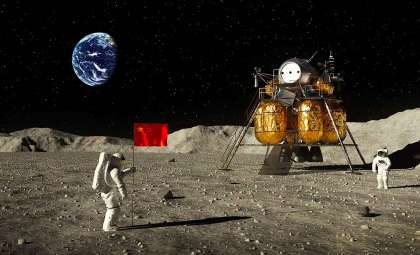
The updated schedule shifts Artemis II, originally planned for September 2025, to an anticipated launch in April 2026. This mission will orbit four astronauts around the Moon on Orion’s inaugural manned journey. Consequently, Artemis III, tasked with making the first crewed lunar landing in over five decades, is now set for mid-2027. This landmark event will utilize SpaceX’s Starship as the lunar lander, highlighting growing international cooperation and commercial involvement in space exploration.
Orion Heat Shield Damage Investigation
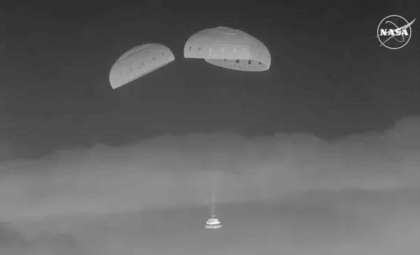
The delays directly stem from issues detected during Artemis I, when the Orion spacecraft’s heat shield experienced substantial wear. The issue was traced to the spacecraft’s “skip entry” reentry maneuver, which involves dipping into and exiting Earth’s atmosphere to reduce speed, generating more heat than expected on the heat shield’s outer layer. Pam Melroy, NASA’s Deputy Administrator and former shuttle commander, elaborated, “This caused internal pressure to build up and led to cracking and uneven shedding of that outer layer.”

Following extensive testing and rigorous engineering assessments, NASA identified trapped gases within the heat shield's material, which induced internal pressure, resulting in cracks and uneven material loss. This conclusion was supported by an independent panel of specialists. The heat shield depends on the Avcoat ablative material, and subtle changes in its production contributed to the unexpected problems.
Mission Updates and Adjusted Flight Path
In light of the findings, NASA plans to revise the Artemis II reentry trajectory to reduce heat impact. NASA Administrator Bill Nelson confirmed these adjustments are essential to modify the Orion capsule’s entry profile and complete necessary system checks. He stated, “Based on the data, we have decided, unanimously, to move forward with the current Artemis 2/Orion capsule and heat shield with a modified entry trajectory…to lessen the heat coming back into the Earth’s atmosphere.” These steps aim to address and prevent further heat shield deterioration during reentry.
Nelson also stressed the importance of fully upgrading the spacecraft’s environmental control and life support systems, improvements flagged earlier this year. These enhancements are crucial for astronaut well-being throughout the mission, covering critical areas like oxygen supply, thermal regulation, and waste handling.
International Cooperation and Commercial Innovation
Despite the setbacks, Nelson expressed confidence in Artemis as a collaborative venture, combining efforts from commercial companies and global partners. “This is a partnership. It’s a commercial partnership. It’s an international partnership,” he emphasized. The Artemis initiative continues to work closely with industry leaders such as SpaceX and international space agencies to ensure upcoming flights achieve their objectives.
Nelson further highlighted Orion’s unique role in the Artemis program. “First of all, there is one human-rated spacecraft that is flying and that has already flown beyond the moon, and that’s the SLS (Space Launch System) combined with Orion,” he noted. While attention has grown around SpaceX’s Starship, Orion remains NASA’s sole spacecraft certified for human missions beyond Earth orbit.
Moon Landing Focus Amid Revised Schedule
The updated timeline does not weaken NASA’s ambition to outperform China’s planned lunar landing by 2030. Nelson assured that, pending readiness of the SpaceX lunar lander, “We plan to launch Artemis 3, the first landing on the moon in over a half century, in mid-2027.” He highlighted that this schedule remains ahead of the Chinese government’s declared plans for taikonauts on the Moon.
The Artemis program continues to be NASA’s primary mission for returning humans to the Moon. These expeditions are crucial not only for lunar exploration but as groundwork for subsequent crewed missions to Mars and other destinations. NASA remains dedicated to refining technology and rigorous testing to guarantee each mission’s success.
Continuing Progress and Future Prospects
The delay also provides NASA with additional time to improve mission design and hardware. Nelson addressed concerns about Starship’s role, stating, “I don’t see the concern that your question raises, although it’s a legitimate question, that you’re suddenly going to have Starship take over everything.” He reiterated that while Starship will contribute significantly to future space ventures, Orion will maintain its essential place in Artemis operations.
NASA’s long-term strategy centers on establishing a sustainable human presence on the Moon as a springboard for deep space exploration. With Artemis II planned for April 2026 and Artemis III aiming for mid-2027, the vision of returning astronauts to the lunar surface remains firmly on track despite current delays.









0 comments
Sign in to Comment