
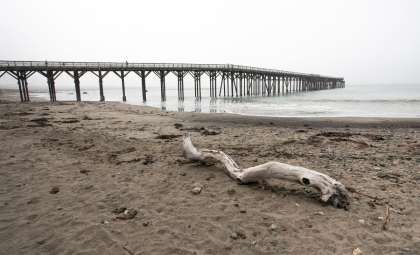
A recent investigation led by NASA has uncovered rapid land sinking in parts of California, with some areas descending at rates exceeding the pace of rising sea levels. This phenomenon poses escalating dangers to coastal populations, especially throughout the San Francisco Bay Area and select regions in Los Angeles and San Diego.
Subsidence Intensifies Effects of Sea Level Rise
Published in Science Advances, the study warns that some of California's lowest coastal zones might experience relative sea level increases exceeding 17 inches (1.4 feet) by mid-century—a figure that surpasses prior projections in certain areas.
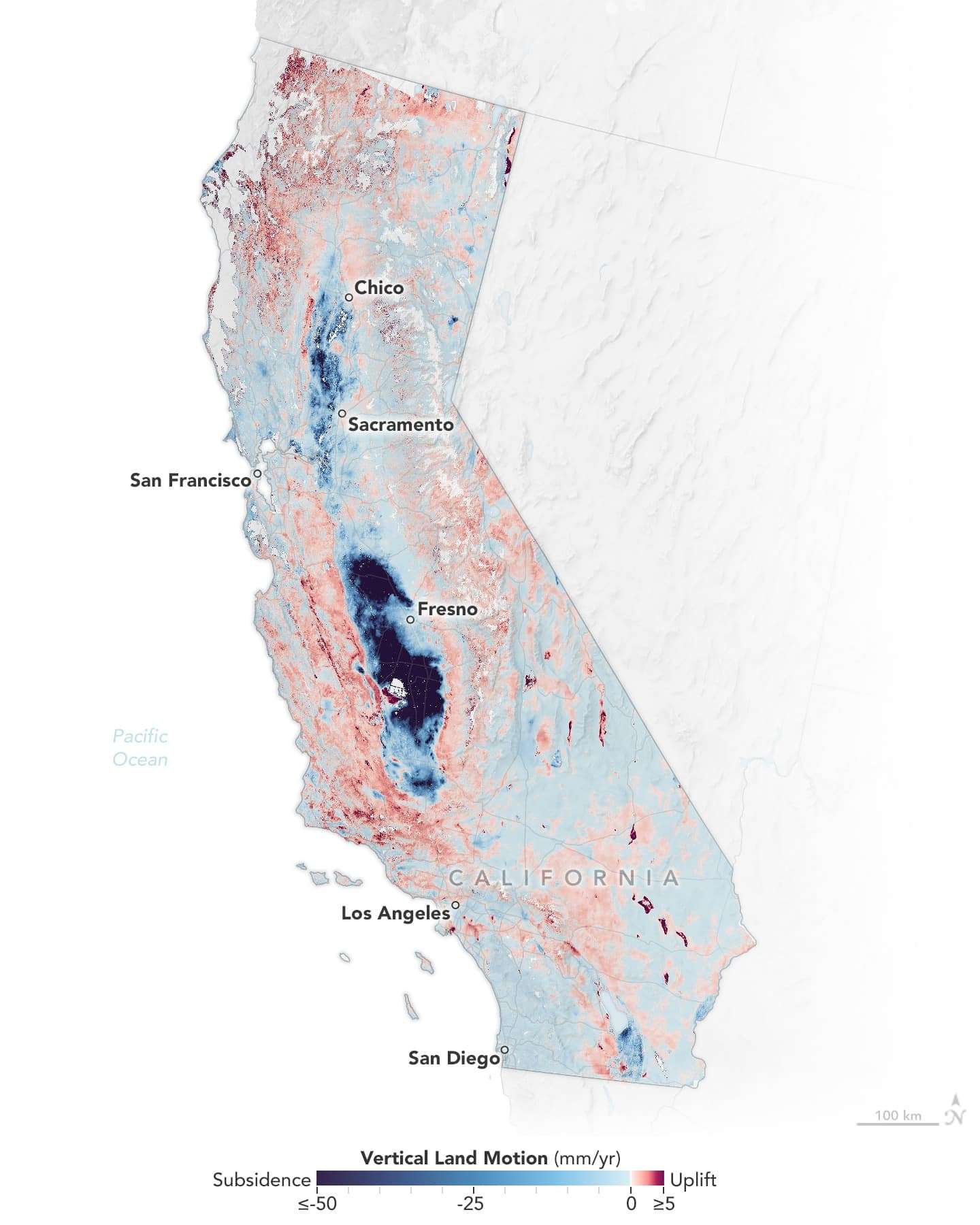
Scientists from NASA’s Jet Propulsion Laboratory (JPL), the California Institute of Technology, and NOAA employed detailed satellite radar data gathered between 2015 and 2023 to monitor vertical land movements (VLM). Their results reveal that some urban locations are subsiding faster than 0.4 inches (10 millimeters) annually.

Marin Govorcin, a remote sensing expert at NASA JPL and lead author, highlighted the crucial role local land shifts play in effectively assessing sea level rise.
“In many parts of the world, like the reclaimed ground beneath San Francisco, the land is moving down faster than the sea itself is going up,” he explained.
Key Regions Showing Rapid Subsidence in California
The report pinpoints several hotspots of accelerated land sinking. Within the San Francisco Bay Area, cities including San Rafael, Corte Madera, Foster City, and Bay Farm Island are subsiding at rates exceeding 0.4 inches per year. These flood-prone zones face amplified threats as land sinking amplifies sea level rise impacts.
Southward, areas in Los Angeles and San Diego experience notable subsidence as well. The study links much of this to groundwater and oil extraction, which historically have destabilized the local ground.
Such shifting terrain in these urban centers complicates accurate forecasting of future sea level changes, challenging flood defense strategies.
Human Influence Exacerbates Land Decline
Beyond natural geological shifts, the investigation emphasizes human-driven factors that heighten land subsidence uncertainties. The extraction of groundwater, petroleum drilling, and urban expansion contribute significantly to the accelerated sinking of terrain.
Certain districts within Los Angeles and San Diego counties may experience up to 15 additional inches of local land motion variation annually due to these activities.
The study stresses that existing sea level rise forecasts, including those from the IPCC Sixth Assessment Report, could be underestimating critical risks impacting California’s vulnerable coastal zones.
Urgent Measures Needed to Address Rising Coastal Threats
The findings underscore the necessity for enhanced coastal mitigation and adaptation strategies. The researchers advocate for integrating localized vertical land motion data into sea level rise evaluations to ensure flood preparedness.
With millions residing near the shoreline, this new understanding of land subsidence combined with sea level rise offers vital guidance for safeguarding infrastructure, residences, and natural habitats from intensifying coastal floods.
- Categories:
- Climate change





0 comments
Sign in to Comment