
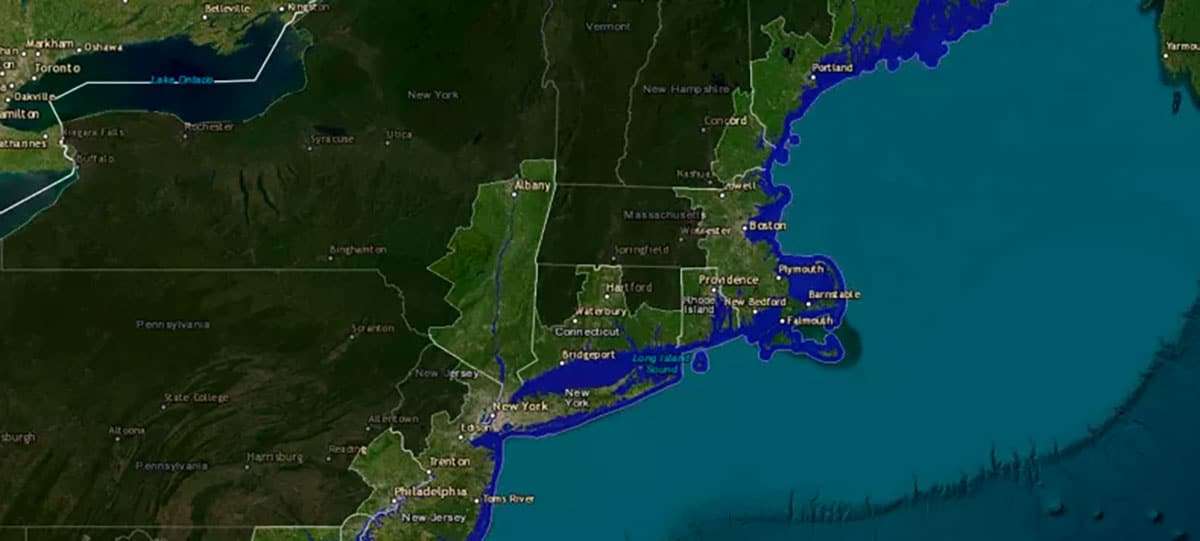
The Sea Level Rise Viewer from NOAA offers a stark preview of how rising waters might reshape America's shorelines. By mid-century, numerous urban areas are expected to grapple with escalating flooding concerns. Key regions at risk include:
- West Coast: Seattle, San Francisco, San Diego
- Gulf Region: New Orleans, Houston, Tampa
- East Coast: Miami, Charleston, Boston
These cities, where millions reside, could witness more recurrent flood events alongside potential damage to infrastructure. Smaller coastal towns are not exempt from these risks.
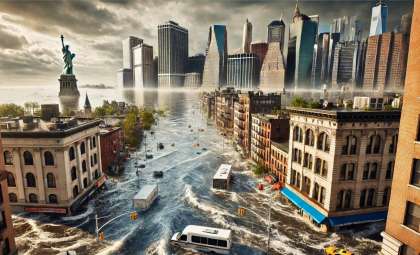
Complete submersion of entire cities by 2050 remains unlikely, yet flooding incidents are predicted to become more frequent and severe. NOAA oceanographer Dr. William Sweet points out that a sea level rise of just two feet above typical high tide levels could cause substantial issues.

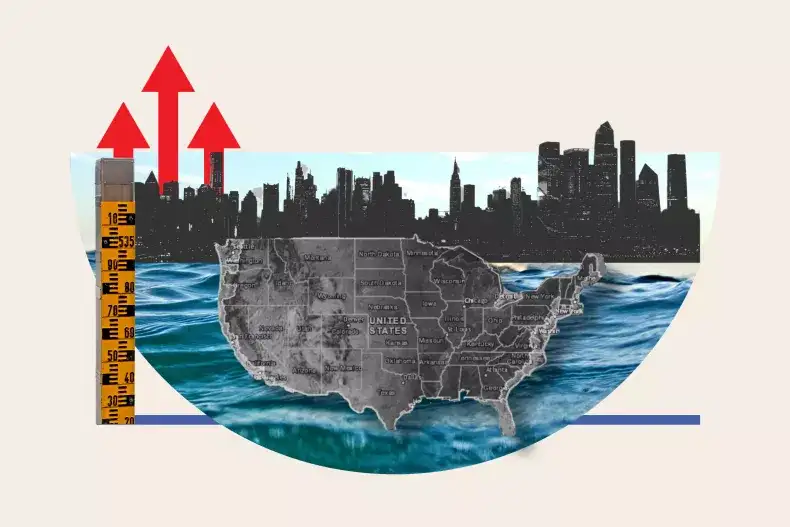
Decoding the mechanisms driving sea level increase
The primary catalyst behind this troubling pattern is climate change, which is influencing the Atlantic Ocean's currents to edge toward collapse. Elevated global temperatures accelerate the melting of ice sheets and glaciers, causing oceans to expand. Additionally, land sinking, especially noticeable along the Gulf Coast, compounds these effects.
NOAA forecasts a general sea level increase between 10 and 12 inches along US shorelines by 2050. Yet, regional variations exist due to localized factors. The implications extend beyond flooding, impacting ecological systems, infrastructure, and regional economies.
Effects on communities beyond shoreline flooding
Rising seas present a range of challenges extending well beyond visible water marks. Coastal communities are increasingly vulnerable to:
- More frequent occurrences of sunny day flooding
- Saltwater contaminating freshwater supplies
- Loss of beaches and coastal ecosystems
- Damage to essential infrastructure and private property
- Economic setbacks impacting tourism and local economies
These challenges can severely affect communities before any permanent flooding occurs. Repeated recovery costs, declining real estate values, and the migration of residents and businesses threaten the financial health of these regions.
Additionally, climate change-driven increases in ocean noise pollution complicate the environmental and societal pressures on coastal areas.
Preparing for a changing coastline: steps toward resilience
Facing the impending risks, coastal populations must pursue adaptive strategies to mitigate damage and enhance resilience. Approaches include:
- Enhancing infrastructure: Reinforcing seawalls, improving drainage, and elevating vital structures
- Leveraging nature-based solutions: Revitalizing wetlands and mangroves to serve as protective buffers
- Implementing zoning reforms: Enforcing stricter building regulations and restricting development in vulnerable zones
- Managed relocation: Moving at-risk communities and assets to safer locations
While these initiatives call for substantial funding and long-term coordination, their benefits outweigh the consequences of inaction. With the Atlantic current collapse posing threats like regional cooling, addressing climate challenges remains critical.
The NOAA sea level rise visualization is a crucial resource for increasing public understanding and guiding policy. By illustrating possible future scenarios, it empowers communities to strategize and safeguard America's coastal cities from looming risks through collaboration among scientists, officials, and citizens.
- Categories:
- Climate change






0 comments
Sign in to Comment