
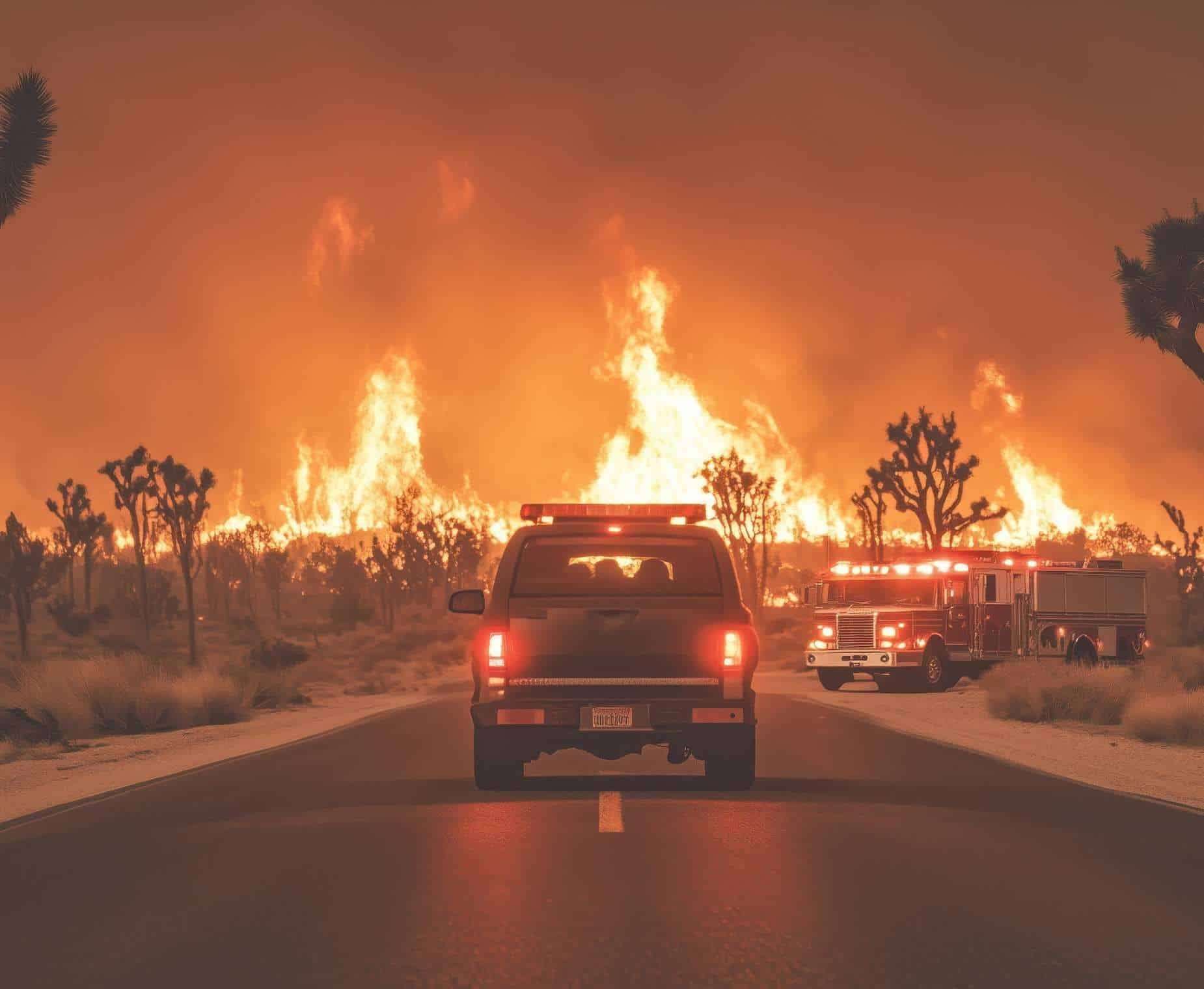
California finds itself battling a fresh wave of devastating wildfires, underscoring the complex links between human influence, environmental factors, and climate change. As recovery efforts begin, it's crucial to understand the root causes driving these fires and their broader implications.
Human Actions at the Heart of the Blaze
The current wildfire surge in California is largely driven by human factors. State officials have indicated that many of these fires were deliberately ignited, with authorities detaining “dozens of suspects.” These intentional acts have worsened an already dire crisis.
Aside from arson, other human activities have also contributed to fire outbreaks. For instance, the Palisade Fire was linked to New Year’s fireworks. This zone had previously experienced fire incidents that firefighters successfully contained. Such repeated episodes highlight the peril of human negligence.

The Role of Natural Forces in Fueling Fires
Natural conditions are further exacerbating California’s wildfire situation. The area has endured powerful Santa Ana winds exceeding 99 mph, which not only intensify flames but can also ignite new fires.
Compounding the problem is a persistent soil drought since nearly no precipitation occurred after May 2024. This has left vegetation extremely dry and highly susceptible to catching fire. Additionally, human-introduced invasive plants have increased the overall flammability of the landscape.
Changes in vegetation patterns, including new tree growth in formerly treeless areas, have added more fuel to fires. Rapid urban expansion in vulnerable zones has also heightened risks.
Impact of Climate Change on Fire Dynamics
Climate change significantly intensifies the wildfire threat in California. Research from “Climameter” reveals notable shifts in regional weather due to greenhouse gases. Between 1987 and 2023, average temperatures rose by about 5 °C compared to 1950-1986. Concurrently, conditions became 15% drier while winds strengthened by 20%.
This combination creates optimal conditions for wildfires, turning small sparks into widespread infernos. Elevated heat and stronger winds accelerate fire spread and complicate firefighting efforts.
Firefighting Challenges Amid the Crisis
Firefighters face significant hurdles in combating these relentless fires. A major challenge is securing sufficient water resources for effective suppression across vast regions, which complicates response strategies.
Following heavy rainfall in 2022 and 2023, vegetation growth surged. While beneficial for ecosystems initially, this has now increased available fuel during dry periods, intensifying fire risks.
The ongoing wildfire emergency serves as a stark reminder of human impact on natural ecosystems and the urgent need for comprehensive solutions. Addressing both intentional human causes and mitigating climate change effects is essential to prevent similar disasters in the future.
As affected communities work to recover from the scorched earth, there is a critical need for reflection and proactive steps toward sustainable management that protects both human life and environmental health.
- Categories:
- Climate change











0 comments
Sign in to Comment