
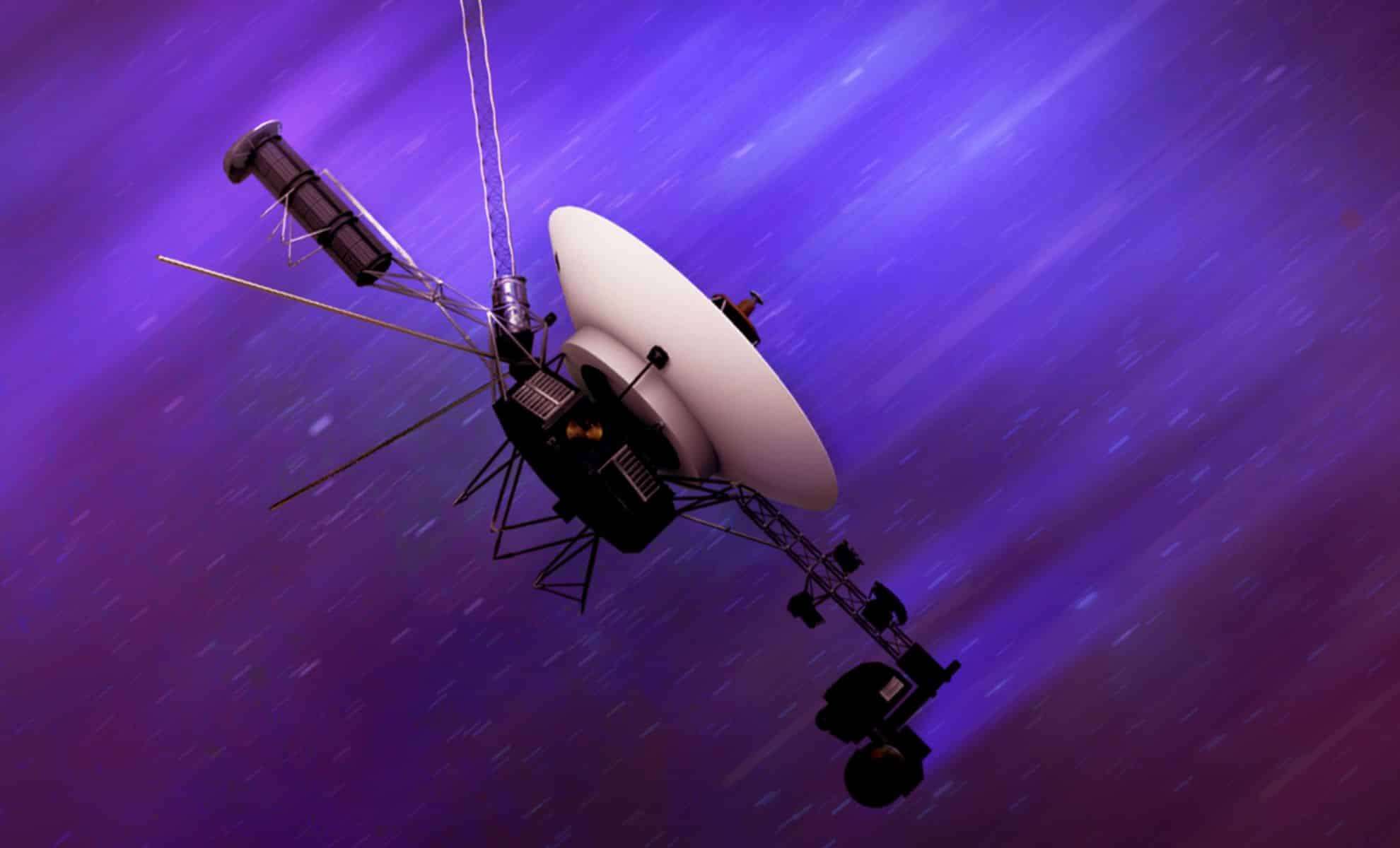
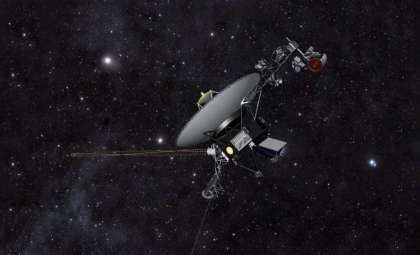
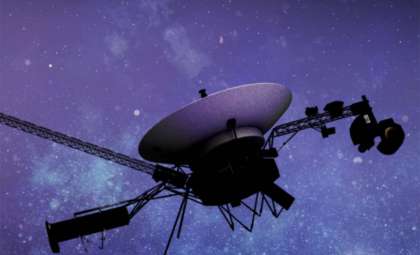
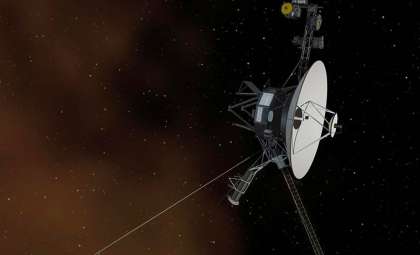
Launched in 1977, NASA's Voyager 1 probe is currently traversing interstellar space at approximately 35,000 mph. Recently, engineers have achieved a significant feat by reactivating backup thrusters that hadn’t been used in nearly 20 years. This crucial operation occurred just before NASA’s ground antenna working with Voyager 1 was scheduled for a lengthy upgrade. Reactivating these dormant thrusters is vital, as the primary thrusters show early signs of clogging that could disable them by this fall. NASA’s Jet Propulsion Laboratory (JPL) provided a comprehensive report on this achievement here.
Ensuring Voyager 1’s Stability by Reactivating Old Thrusters
Voyager 1 depends on an array of thrusters to keep its orientation precise, which is necessary for its antenna to continuously direct signals toward Earth and transmit valuable scientific information. Key among these are the roll thrusters, which adjust the spacecraft’s rotation and align its star tracker. The main roll thrusters stopped working in 2004 due to heater failures. At that point, mission operators shifted to using backup roll thrusters alone, under the assumption that the mission’s active life would not extend much longer.
"Back then, the team was comfortable letting the primary roll thrusters go offline because the backups were functional," explained Kareem Badaruddin, Voyager’s mission manager at JPL. "It was surprising even to us that Voyager continued to operate two decades later." When engineers observed a buildup of residue affecting the backup thrusters, they revisited the long-unused primary set. They identified a possible circuitry issue that had inadvertently switched off the heaters, preventing thruster activation. After remotely flipping the heater switch back to the correct state, they aimed to bring the thrusters back into service as a reliable contingency.

Facing Communication Hurdles During Antenna Renovations
The window for reactivating the thrusters was narrow. Starting May 4, 2025, the Deep Space Network antenna DSS-43 in Canberra, Australia — the only facility with enough power to communicate with Voyager 1 — was scheduled for upgrades until early 2026. Other antennas worldwide lacked the capability to send commands with the necessary strength to reach the distant spacecraft.
"Upgrading the antennas is crucial not only for upcoming human missions to the Moon but also for enhancing communications with deep space probes like Voyager," noted Suzanne Dodd, Voyager project manager and head of the Interplanetary Network at JPL. "Preparing for such downtime is routine, but it’s critical to ensure backup thrusters are functional before the antenna goes offline, to maintain mission control during the communication gap."
An Inspiring Technical Revival Offers Renewed Promise for Voyager 1
On March 20, 2025, mission controllers sent remote commands to activate the backup roll thrusters and restart their heaters. Given the 23-hour delay for signals to travel between Earth and Voyager, the team waited anxiously for confirmation. Within 20 minutes of commands being issued, telemetry revealed rising heater temperatures, signaling success.
"That moment was incredible, boosting the entire team's morale," said Todd Barber, Voyager’s propulsion lead at JPL. "These thrusters were considered inoperative, and rightly so. But an engineer had a hunch about a fixable cause, turning this into another miraculous save for Voyager." This triumph not only extends confidence in Voyager 1’s future operations but also showcases the dedication and creativity of the team stewarding one of humanity’s longest active space missions.
- Categories:
- News







0 comments
Sign in to Comment