
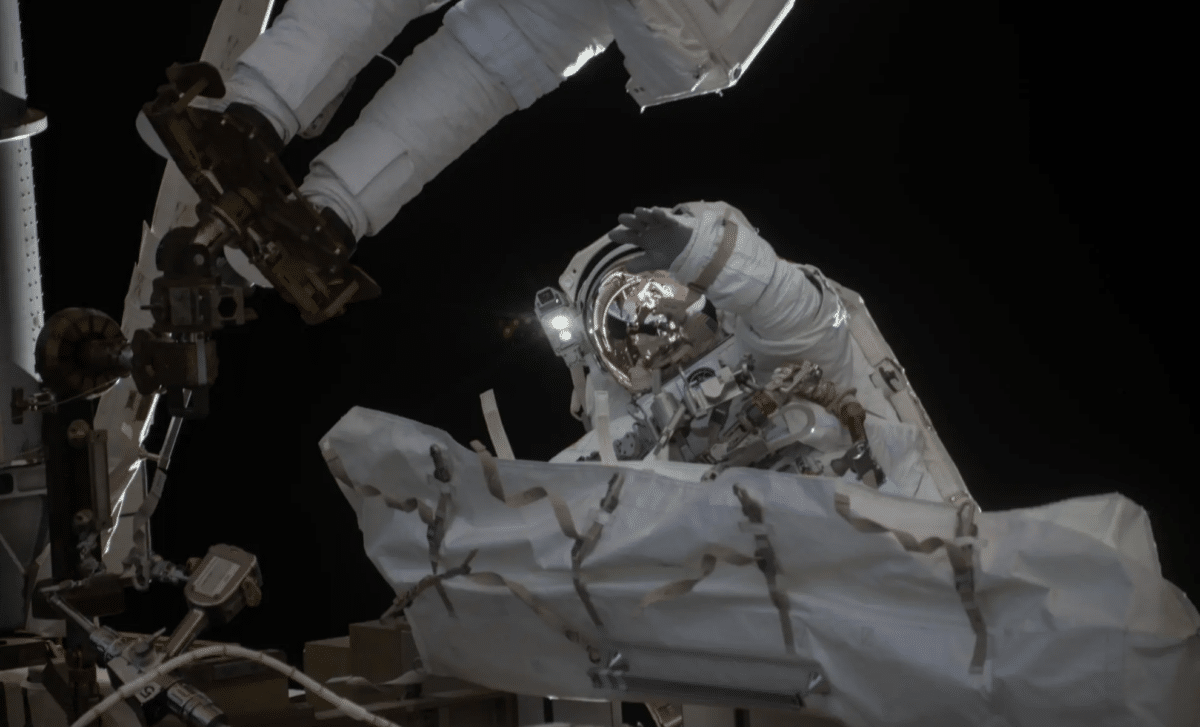
NASA is preparing for an important extravehicular activity scheduled for June 30, 2026, where astronauts will leave the International Space Station to replace a faulty wrist joint on the Canadarm2 robotic arm. This vital component supports numerous station functions but recently showed signs of failure, detected on May 27, when the arm's movement was impaired and power consumption spiked. The forthcoming spacewalk emphasizes the continuous efforts needed to maintain this aging orbital facility and showcases astronaut adaptability.
Examining the Canadarm2 Malfunction
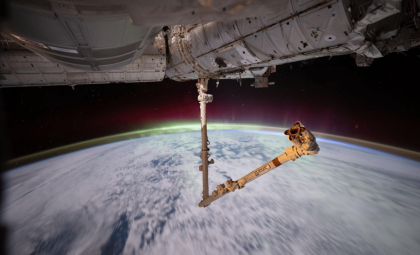
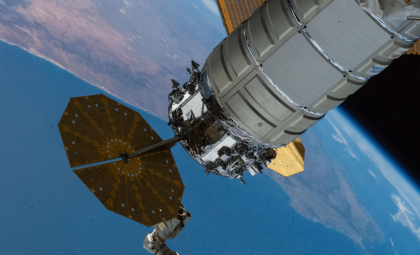
Canadarm2 has been integral to ISS operations for more than 25 years, enabling astronauts to handle cargo, assist spacecraft docking, and perform intricate scientific tasks. On May 27, flight controllers noted the wrist joint stopped responding correctly, causing abnormal power draw. After careful assessment, NASA, together with the Canadian Space Agency (CSA), determined that an in-space replacement is the safest and most effective fix. This scenario underscores the need to maintain even the most dependable space technologies through timely repairs.
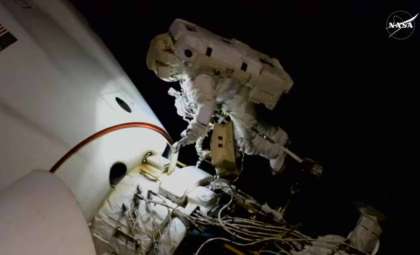
Executing such robotic repairs in microgravity requires meticulous preparation. Astronauts must skillfully maneuver both the robotic equipment and their extravehicular suits. The joint replacement entails more than a simple exchange; it demands careful manipulation, immediate problem-solving, and strict compliance with safety measures. Mission controllers on Earth will closely monitor each step to protect both the Canadarm2 and the ISS.

Details of the Astronaut Team and Spacewalk Preparation
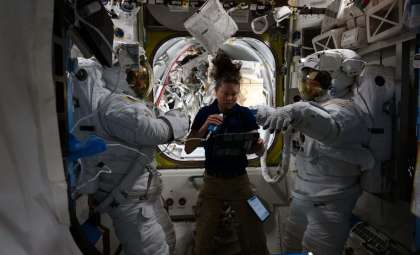
As per NASA, astronauts Chris Williams and Jessica Meir will perform the spacewalk, exiting via the Quest airlock. This will be Williams’s second and Meir’s fifth spacewalk. Williams will don a suit with red stripes to differentiate him from Meir, who will wear a suit without markings. The operation is expected to last about six and a half hours, during which the duo will carefully remove the defective joint and install a replacement part already aboard the station.
Collaboration between NASA and the CSA has been crucial for ensuring all necessary tools, instructions, and backup plans are ready. The maintenance of robotic systems in orbit involves international teamwork, blending engineering expertise with astronaut dexterity. This mission also highlights the rigorous demands of spacewalking—requiring stamina, precision, and alertness in a setting where errors can have severe consequences.
Astronauts Chris Williams and Jessica Meir will conduct a spacewalk on June 30 for a robotics repair job. Managers will preview the spacewalk on June 25 on @NASA's YouTube channel. More… https://t.co/8SfAqUPJiI pic.twitter.com/Aaee03DGYv
— International Space Station (@Space_Station) June 22, 2026
How to Watch and Follow the Spacewalk
NASA will stream U.S. Spacewalk 95 live starting at 7 a.m. EDT across several platforms, including NASA+, Amazon Prime, Netflix, and their official YouTube channel. A preview briefing is planned for June 25, where specialists like Bill Spetch, Fiona Antkowiak, and Jason Dyer will offer insights into the mission’s planning, the technical challenges ahead, and the overarching station upkeep strategies.
Media representatives attending in person or remotely have been given clear guidelines and deadlines to facilitate coverage. The session will provide detailed explanations of how critical robotic systems such as Canadarm2 are continuously monitored, repaired, and maintained in orbit—key processes underpinning the ISS’s scientific and operational achievements.
- Categories:
- Nasa






0 comments
Sign in to Comment