
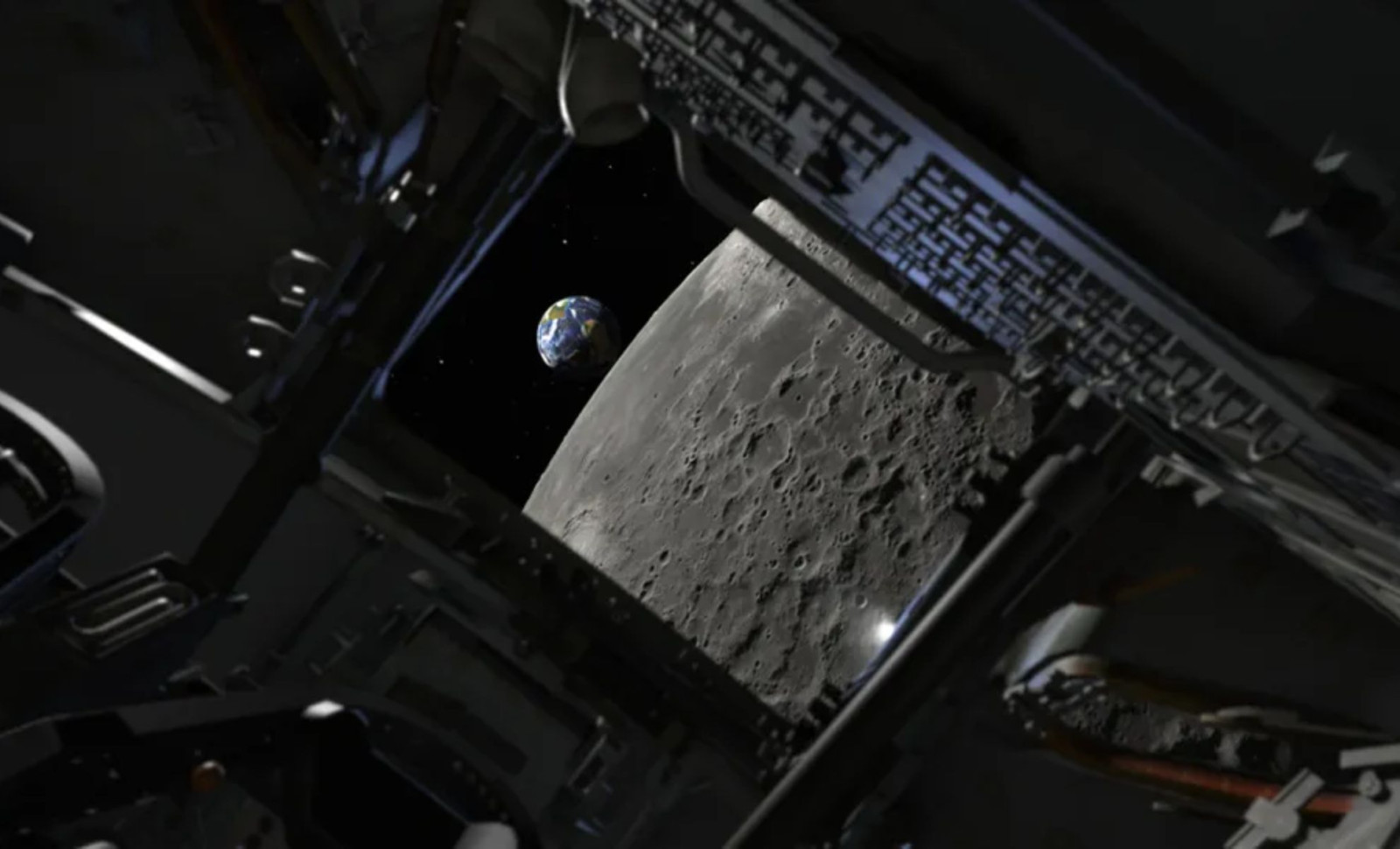
A stunning timelapse, compiled from thousands of photos taken during NASA’s Artemis 2 mission, now reveals breathtaking perspectives of Earth from deep space. The footage showcases satellites orbiting above, vibrant auroras, and the planet’s dynamic transformation as astronauts circled the moon last month.
This timelapse was created using a selection of approximately 12,000 images recently made public from the mission’s archives. According to the release notes, the compilation illustrates some of the most impressive views observed by the crew during their 10-day voyage aboard the Orion spacecraft.
After launching on April 1 and returning on April 10, Artemis 2 carried four astronauts—Reid Wiseman, Victor Glover, Christina Koch, and Jeremy Hansen from the Canadian Space Agency. This mission was the first crewed journey beyond low Earth orbit since Apollo 17 touched down in 1972.

While the expedition’s main goal was performing a lunar flyby and validating hardware for upcoming missions, many highlighted images centered on Earth. These photo releases rapidly became focal points of discussion among observers.
Amazing Timelapse Captures Earth’s Twilight Shift from Space
The newly unveiled video, hosted on Space.com’s official YouTube channel, opens with a wide-angle view of Earth gently entering frame. Seen through the eyes of the Orion crew, the sunlit planet gradually fades into night as the spacecraft proceeds along its lunar trajectory.
Subsequent scenes zoom in, revealing tiny luminous dots near the edge of Earth’s atmosphere. The mission archive credits identify these glimmers as satellites passing by, visible to the astronauts during their journey.
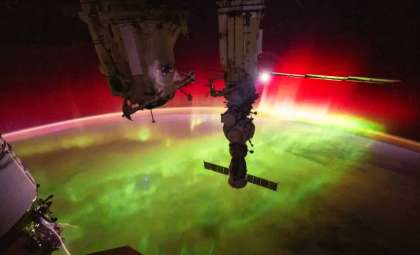
The timelapse further displays shimmering auroras lighting up near the polar regions. These ephemeral atmospheric light shows—the northern and southern lights—briefly grace the horizon before vanishing as the spacecraft moves farther away.
Artemis 2 Marks NASA’s Return to Crewed Deep-Space Missions
With Artemis 2, NASA launched its first manned deep-space expedition in over 50 years. The Royal Museums Greenwich notes that no crewed vehicle had ventured beyond low Earth orbit since the conclusion of the Apollo program in the 1970s.
Per NASA, the astronauts orbited the moon without landing, thoroughly testing the Orion spacecraft’s capabilities during the 10-day flight. Throughout the journey, the crew captured numerous photos of both the lunar surface and Earth. Many of these images highlighted Earth’s evolving look from deep space, ranging from brightly lit regions to slender crescent phases partially outlined by shadows.
Mission’s Most Famous Image: The “Earthset” Photo
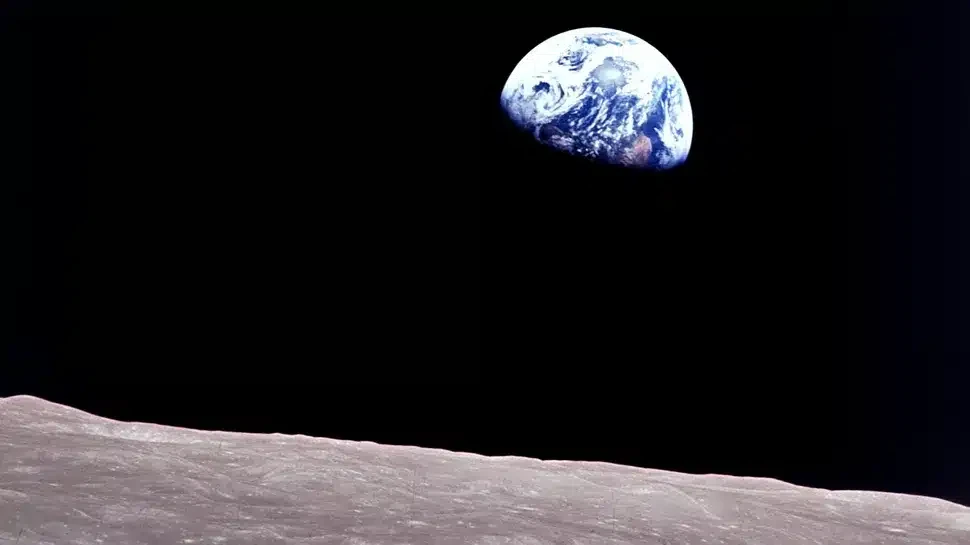
According to Space.com, one of Artemis 2’s most viral pictures was snapped on Flight Day 6 during the spacecraft’s flyby behind the moon. The crew documented an "Earthset" snapshot, reminiscent of the renowned “Earthrise” image captured by Apollo 8 astronaut Bill Anders in 1968.
The photo was taken on April 6 at 6:41 p.m. EDT and features a thin crescent of Earth hovering above the lunar horizon, with much of the planet cloaked in darkness. Illuminated cloud patterns are visible over Australia and adjacent ocean areas.
The foreground highlights the Ohm Crater on the moon, spanning about 40 miles (64 kilometers). NASA plans to continue Artemis missions with future launches like Artemis 3 and Artemis 4, following their updated mission timeline.
- Categories:
- Nasa






0 comments
Sign in to Comment