
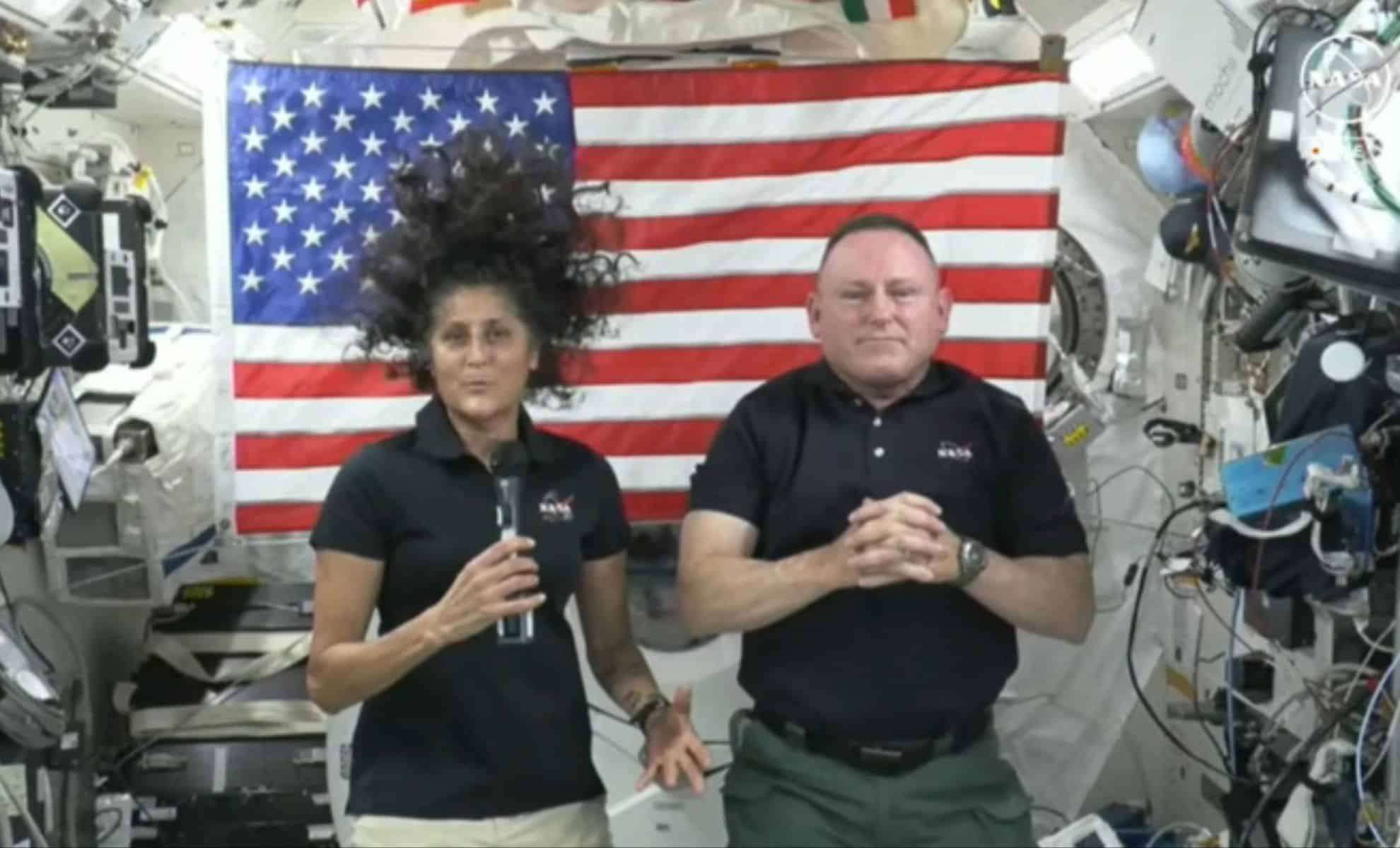
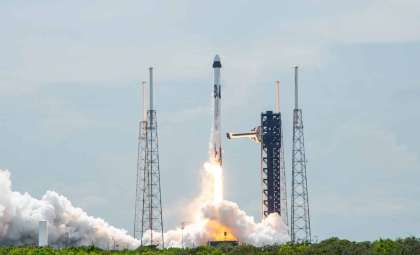
NASA and SpaceX have teamed up to advance the launch schedule for the upcoming Crew-10 mission to the International Space Station (ISS) by exchanging the assigned Crew Dragon spacecraft. Originally delayed due to completion and testing challenges with a new Crew Dragon capsule, the launch has now been moved up to March 12 instead of late March.
This change involves deploying the previously flown Endurance spacecraft, which served on the Crew-3, -5, and -7 missions, rather than a new vehicle intended for the Ax-4 private mission with Axiom Space. The switch ensures that crew rotations proceed smoothly, especially with the Crew-9 mission preparing to return shortly after Crew-10’s arrival.
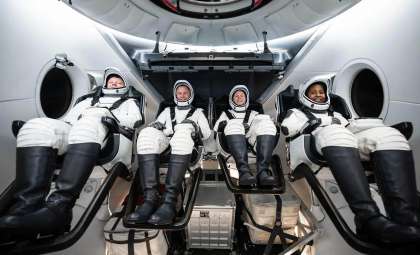
The adjustment was necessary due to setbacks in the assembly of a brand-new Crew Dragon capsule. Commanding the Crew-10 flight will be NASA astronaut Anne McClain, with Nichole Ayers as pilot, accompanied by JAXA astronaut Takuya Onishi and Roscosmos cosmonaut Kirill Peskov. This swap guarantees a seamless rotation process for astronauts aboard the ISS.

Responding to Setbacks: NASA and SpaceX's Swift Adaptation
Space missions often come with unforeseen hurdles, and NASA’s collaboration with SpaceX has demonstrated effective adaptability. NASA and SpaceX have shown how their partnership can overcome scheduling disruptions. Steve Stich, NASA's commercial crew program manager, highlighted the sensitivity of human spaceflight: “Human spaceflight is full of unexpected challenges,” he stated. “SpaceX’s readiness to offer another spacecraft supports Crew-10 and helps us stay on track.”
SpaceX’s readiness to supply the Endurance capsule on short notice underscores their commitment to mission continuity. This flexibility is essential for avoiding operational delays and sustaining research activities aboard the ISS. Without such backup options, NASA’s crew transfer plans could have faced serious obstacles.
Implications for Upcoming Spaceflight Endeavors
This spacecraft exchange exemplifies the strength of NASA and SpaceX’s alliance and signals the growing importance of commercial partners in space exploration. SpaceX’s ability to react quickly and deliver effective solutions keeps missions on schedule. The availability of the Endurance capsule to step in for Crew-10 during delays illustrates the strategic benefit of maintaining multiple operational spacecraft, likely setting a trend for future explorations.
The move also highlights the expanding role of private companies in sustaining spaceflight operations. As entities like SpaceX take a leading role, their agility in managing unexpected events becomes crucial for uninterrupted crewed missions.
Moreover, the decision reflects the fast-paced nature of space exploration, where swift adjustments ensure smooth crew transitions and secure astronaut transport to and from orbit.
Crew-10 and Crew-9: Maintaining Mission Momentum
Although the spacecraft has changed, Crew-10’s mission timeline and crew lineup remain intact. Veteran astronaut Anne McClain will lead the mission, supported by pilot Nichole Ayers and mission specialists Takuya Onishi and Kirill Peskov. Their responsibilities on the ISS include station upkeep, scientific investigations, and supporting ongoing research activities.
The existing crew, Crew-9, including NASA’s Nick Hague and Roscosmos’ Aleksandr Gorbunov, is set to return soon after Crew-10’s arrival. While their departure was initially planned for February, it was postponed due to delays with the incoming crew’s spacecraft. This extension sparked public debate, especially following remarks on social media by Elon Musk, who criticized the prolonged stay. NASA emphasized they are prioritizing astronaut safety in orchestrating the returns.
Future Prospects: Enhancing Commercial Spaceflight Partnerships
This recent adjustment underscores how vital SpaceX and other commercial firms are becoming in advancing crewed missions beyond low Earth orbit. With SpaceX progressing on its Crew Dragon shuttle and ambitious Starship program, the agency’s collaboration with private enterprises is growing stronger.
SpaceX’s capacity to have multiple spacecraft ready, respond effectively to setbacks, and innovate rapidly is pivotal for the future of human space exploration. As the company continues pushing boundaries, it plays a key role in expanding humanity’s reach into space.
- Categories:
- News







0 comments
Sign in to Comment