
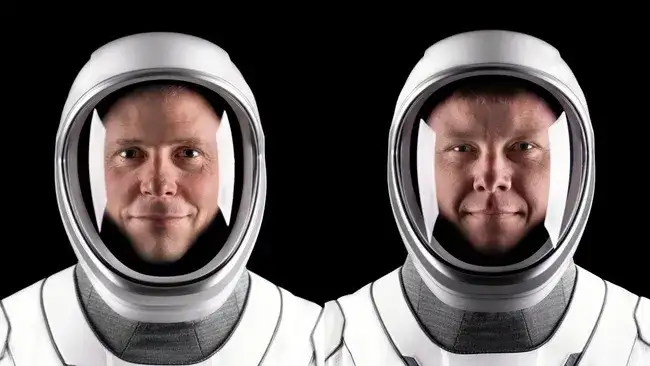
The scheduled launch of SpaceX Crew-9 heading to the International Space Station (ISS) has been pushed back to September 26. NASA and SpaceX announced the postponement to allow extra time for final technical inspections and preparation tasks. This adjustment ensures that all systems meet stringent standards ahead of liftoff, which is planned for 2:05 p.m. EDT (1805 GMT) on the revised date, with weather conditions under close observation.
Understanding the Launch Postponement
Delays like the one affecting the Crew-9 mission are not unusual in human spaceflight, where thoroughness and safety are crucial. This mission is particularly notable as it represents the inaugural crewed launch from Space Launch Complex 40 at Cape Canaveral, a site previously dedicated primarily to satellite deployments. Preparing this pad for astronauts requires significant infrastructure upgrades, including walkways and safety systems to allow astronaut access, resulting in extended readiness efforts to uphold safety protocols.
NASA outlined the reasons for the delay, highlighting the unique demands of manned space launches: “This is the first human spaceflight launch from Space Launch Complex-40, which normally has infrastructure available for satellite missions. Humans require a launch tower with walkable access to the spacecraft, among many other changes.” This underscores the distinct complexity of crewed missions compared to non-human launches, requiring enhanced safety features.

Mission Crew Changes and Key Details
The original plan for the SpaceX Crew-9 flight included four astronauts traveling on the Crew Dragon spacecraft for a multi-month stay aboard the ISS, lasting through February 2025. However, recent updates have altered the crew lineup to just two astronauts: NASA’s Nick Hague, serving as commander, and Roscosmos cosmonaut Aleksandr Gorbunov, designated as mission specialist.
This mission stands out as Hague, an active member of the U.S. Space Force, will be the first guardian from this new military branch to embark on an orbital mission. He will also launch from a Space Force-operated pad at Cape Canaveral, marking a significant milestone. NASA notes that Hague’s role will be essential for managing critical ISS operations during his extended mission aboard the station.
In contrast to the original crew plan, the remaining two seats, initially reserved for NASA astronauts Zena Cardman and Stephanie Wilson, are now occupied by mass simulators. Despite the removal from this flight, both astronauts are expected to participate in future ISS missions, maintaining their eligibility.
Starliner Issues Affect Crew Schedules
The adjustment in Crew-9’s roster is linked to ongoing difficulties with Boeing’s Starliner spacecraft, which was supposed to return astronauts Butch Wilmore and Suni Williams to Earth. After their arrival aboard Starliner on June 6, 2023, several thrusters in the spacecraft’s reaction control system experienced malfunctions, prompting a reassessment of the vehicle’s safety for crewed return flights.
After extensive analysis, NASA concluded that the spacecraft's uncertain performance posed too great a risk. “NASA determined it did not have enough confidence in knowing what happened to accept the risk of flying Wilmore and Williams home on Starliner,” officials stated. Consequently, the Starliner returned uncrewed on September 6, and investigations into the malfunction continue.
Wilmore and Williams will remain on the ISS as members of Expedition 71. NASA has planned for their eventual return using the docked SpaceX Crew-8 vehicle. Due to compatibility issues, the astronauts cannot wear Starliner spacesuits aboard Crew Dragon; instead, NASA will provide a SpaceX spacesuit for Williams, with a second to be delivered for Wilmore via Crew-9.
Looking Toward ISS Missions and Future Operations
When Crew-9 arrives, it will support Wilmore and Williams by serving as an evacuation option. These astronauts will remain part of the Expedition 71 team and are expected to return to Earth around February 2025, resulting in a longer-than-usual stay of about eight months, compared to the typical five to six months aboard the ISS. This extension reflects NASA’s adaptability in managing mission challenges such as the Starliner complications.
Although these changes represent a considerable shift from original plans, they underscore NASA’s priority on astronaut wellbeing and mission success. The arrival of Crew-9 will establish another safety pathway for ISS crew members, while ongoing Starliner investigations could shape future human spaceflight strategies.
This scenario emphasizes the complex nature of space exploration, requiring a balance between cutting-edge technology and unforeseen obstacles to protect astronauts' safe return. The partnership between NASA and SpaceX continues to be crucial in sustaining ISS operations as space travel evolves.







0 comments
Sign in to Comment