
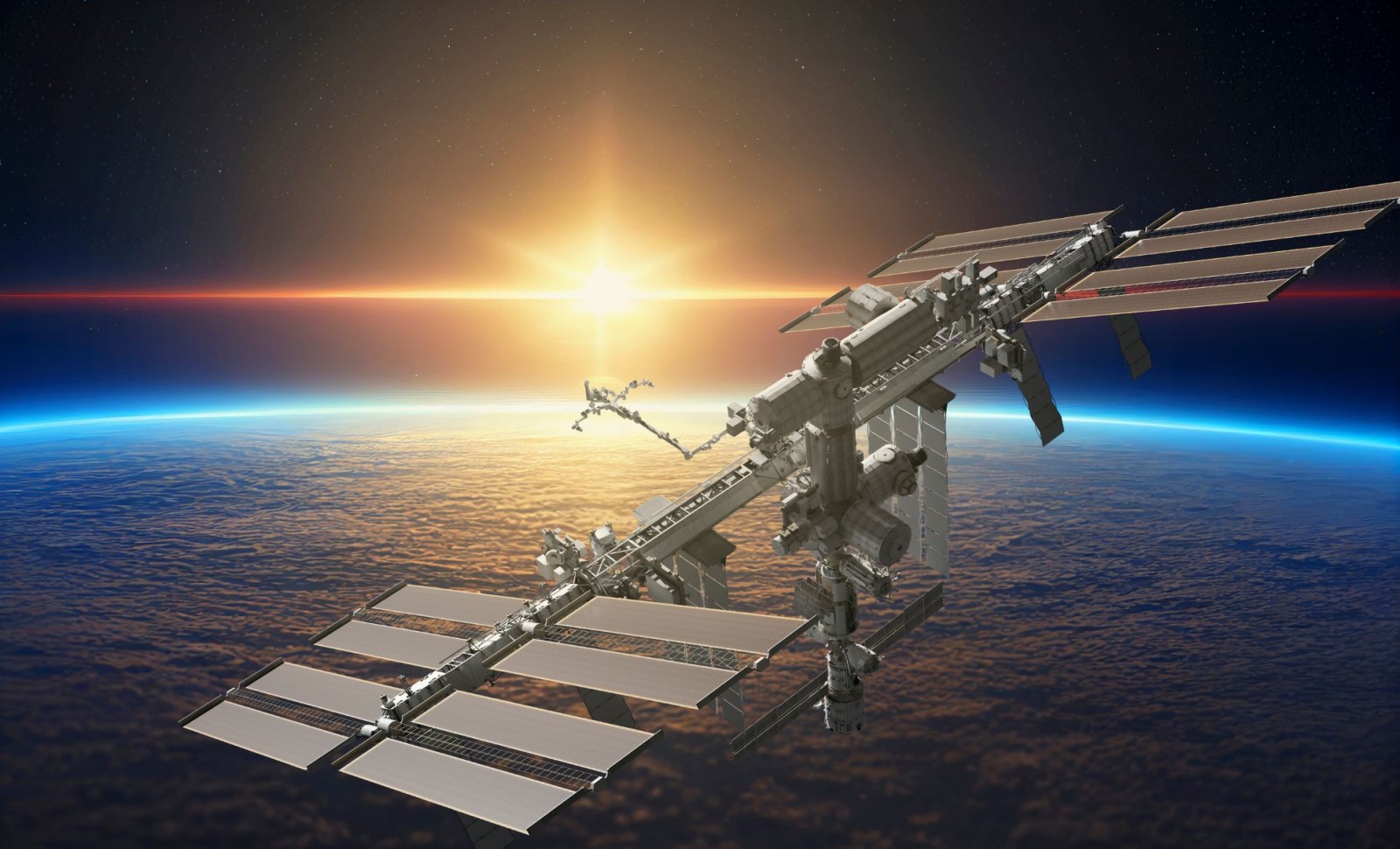
After more than 20 years orbiting Earth, the International Space Station (ISS) is approaching an epochal conclusion. Anticipated to be deorbited by late 2030, the space station will plunge into the depths of the Pacific Ocean at Point Nemo—a spot so isolated it’s dubbed the “spacecraft graveyard.”
Marking a Milestone as the End Draws Near
On November 2, the ISS celebrated an impressive milestone: 25 years of continuous human presence in space. This achievement underscores its role as a beacon of international cooperation and advanced scientific exploration. With aging infrastructure and rising operational expenses, the decision to retire the station is now a matter of timing rather than possibility. According to NASA, the plan is to safely discontinue ISS operations by the end of this decade.
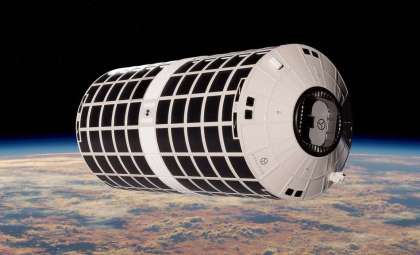
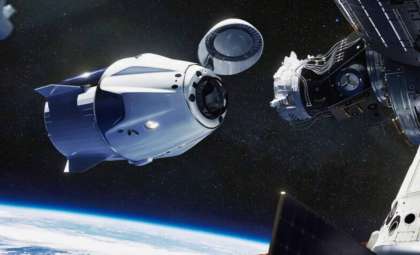
For this monumental task, NASA is collaborating with global partners and employing an upgraded version of SpaceX’s Dragon cargo spacecraft. This reinforced vehicle will shepherd the station during its fiery journey through Earth’s atmosphere.

The Significance of Point Nemo as the Final Destination
The ISS will not just re-enter over any location but will be intentionally directed toward Point Nemo. Situated at 48°52.6′S 123°23.6′W in the South Pacific, this site lies approximately 1,670 miles away from the nearest land. Its extraordinary remoteness renders it one of Earth’s most desolate areas, making it an ideal target to minimize risks from falling debris.
According to information from the U.S. National Oceanic and Atmospheric Administration, Point Nemo is flanked by Ducie Island to the north, Motu Nui near Easter Island to the northeast, and Maher Island nearing Antarctica to the south. Due to its isolation, it frequently serves as a dumping ground for retired spacecraft, including Russia’s Mir space station in 2001.
Disintegration Process During Reentry
NASA’s engineers expect the ISS to disintegrate in a three-step process as it reenters the atmosphere. Initially, large external components such as solar panels and radiators will separate. Next, the station's modules and truss framework will fragment. The final phase sees the truss structure break down entirely, with individual elements succumbing to intense heat.
The station’s external hull is projected to melt away, exposing internal machinery to extreme temperatures that will destroy most parts. Nonetheless, some robust or heat-resistant sections, particularly parts of the truss, might endure reentry and settle on the Pacific seabed. This assessment draws from earlier spacecraft reentry experiences, notably those involving Mir and Skylab.
Setting a New Benchmark for Spacecraft Reentries
NASA’s prior experiences with controlled deorbiting unveil both the technical hurdles and potential dangers. When Skylab reentered Earth’s atmosphere in 1979, deviations from the intended path caused debris to scatter across Western Australia, prompting the town of Esperance to levy a $400 littering fine against NASA. Meanwhile, Russia’s managed descent of Mir was more successful, precisely directing the station near Point Nemo.
The ISS will surpass all previous records. Weighing about 460 tons and spanning an area comparable to a football field, it will represent the largest human-made object ever brought down through Earth’s atmosphere. In contrast, Mir weighed just 130 tons, and Skylab only 77 tons. Achieving a safe reentry demands extraordinary coordination and technical precision, marking a sophisticated conclusion to one of humanity’s most significant endeavors in space exploration.
- Categories:
- Space





0 comments
Sign in to Comment