
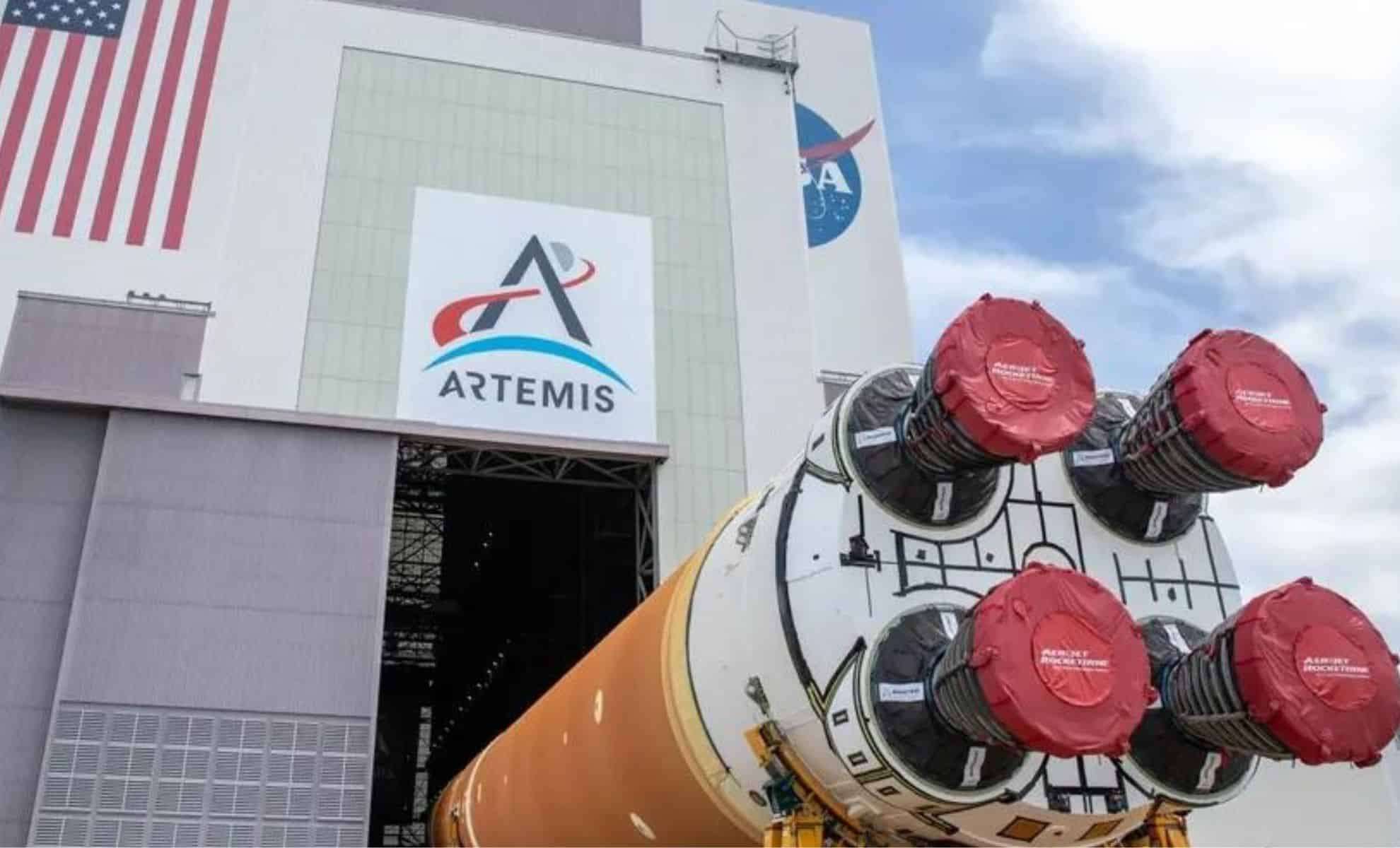
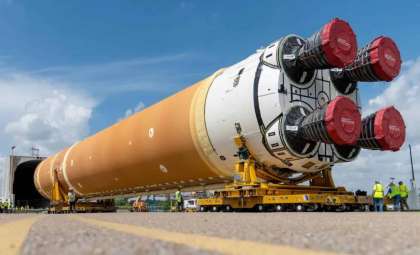
NASA’s Artemis 2 rocket core stage has reached Kennedy Space Center (KSC) in Florida, marking a pivotal moment in mission preparation.
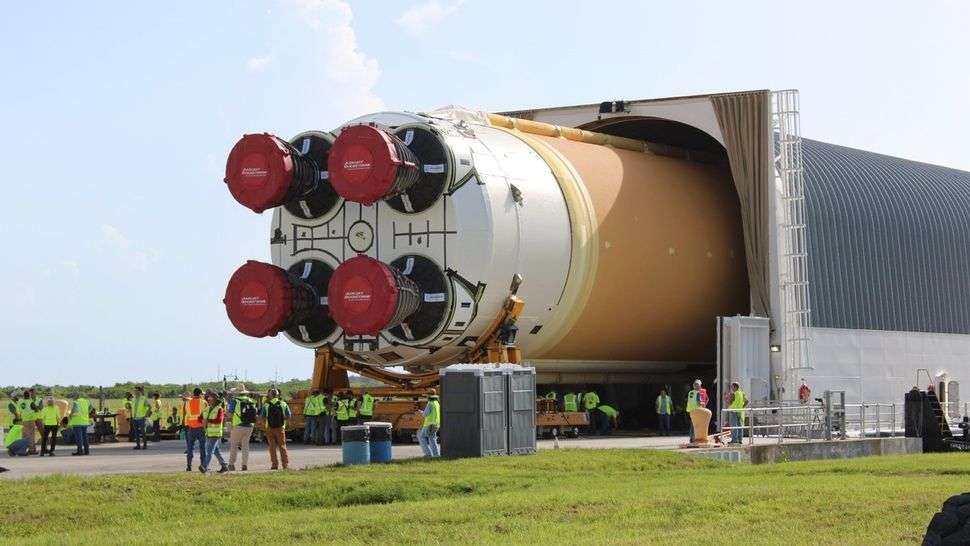
This main stage, an essential part of the Space Launch System (SLS), made the 900-mile voyage from NASA’s Michoud Assembly Facility in New Orleans via the Pegasus barge. The carefully coordinated transport concluded on July 23, 2024, with unloading operations starting the following day.
Arrival and Processing at Kennedy Space Center
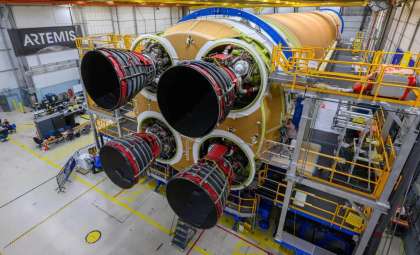
Once on site, the 212-foot (65-meter) core stage was moved into the Vehicle Assembly Building (VAB), the renowned facility responsible for the final assembly of NASA's most ambitious spacecraft.

At the VAB, the core stage will undergo several weeks of pre-assembly work including placement on skid beams as well as comprehensive inspection and testing. This step is vital to confirm the stage's readiness before it is mated with other components of the SLS.
Sean Arrieta, KSC’s exploration ground systems operations manager, shared his team's excitement: “Our team has been chomping at the bit trying to get flight hardware back to KSC.” This reflects the intense dedication and eagerness as teams prepare to join the core stage with the solid rocket boosters and Orion spacecraft.
Importance of the Artemis 2 Expedition
Artemis 2 is set to become the first human-crewed lunar mission since Apollo 17 in 1972. The flight will carry four astronauts—NASA commander Reid Wiseman, pilot Victor Glover, mission specialist Christina Koch, and Canadian Space Agency astronaut Jeremy Hansen—on an eight-day orbit around the moon.
This mission will validate the performance of the SLS and the Orion spacecraft in lunar conditions, preparing the way for future deep space exploration. Notably, Glover will be the first Black astronaut beyond low Earth orbit, Koch the first woman, and Hansen the first international participant on a mission to lunar orbit.
Engineering Highlights and Upcoming Steps
Constructed by Boeing, the SLS core stage is an engineering feat powered by four RS-25 engines delivering approximately 512,000 pounds of thrust — roughly a quarter of the total thrust needed at launch. These engines use cryogenic liquid hydrogen and oxygen, key propellants for the system.
The stage contains tanks able to hold up to 733,000 gallons of these ultra-cold propellants. After arriving at KSC, it will be combined with the solid rocket boosters built by Northrop Grumman.
The boosters, stored near the Rotation, Processing, and Surge Facility (RPSF), will be assembled and attached to the core stage, completing the rocket’s structure. Doug Hurley, former astronaut and Northrop Grumman executive, commented, “Everything’s done through Artemis 4 right now… Now, it’s just the case of waiting when NASA needs the booster components.”
Future Prospects for the Artemis Program
The delivery and assembly of the Artemis 2 core stage mark a critical progress point for NASA’s Artemis initiative, which aims to establish a lasting human foothold on the moon and facilitate missions to Mars. Detailed assembly and rigorous testing guarantee all systems meet strict performance and safety standards for mission success.
While Artemis 2 preparations advance, work also continues on upcoming missions including Artemis 3, which will focus on lunar landings and constructing infrastructure like habitats and research facilities to support extended exploration and science activities.
Partnerships between NASA, industry collaborators, and international agencies exemplify a united global effort to expand human presence in space. The Artemis program stands as a vital foundation for innovation, cooperation, and discovery in the decades ahead.
- Categories:
- Astronomy ,
- News ,
- Space ,
- Aircraft





0 comments
Sign in to Comment