
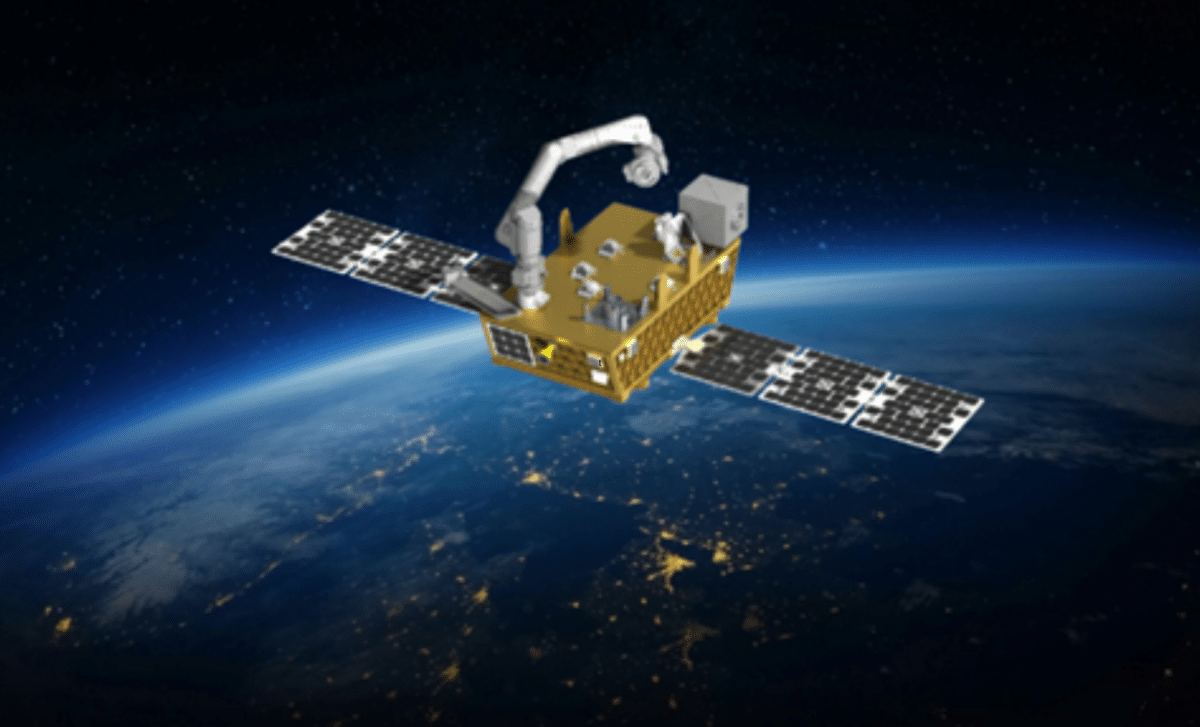
NASA is pioneering advancements in robotic technology aimed at reshaping space exploration and innovation. Collaborating with industry partners, the agency is gearing up to launch the “Fly Foundational Robots” mission in late 2027. This mission will put a commercial robotic arm to the test in low Earth orbit, marking a crucial step in NASA’s plan to transform how tasks are performed in space.
Mission Highlights and Objectives
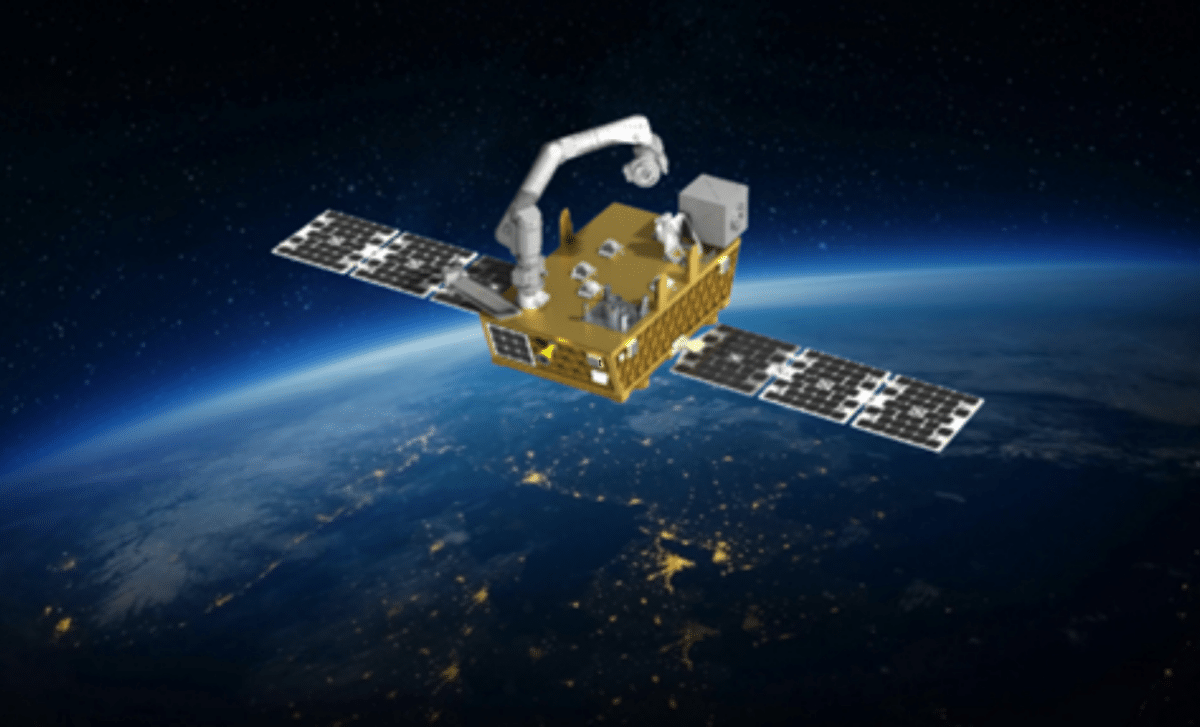
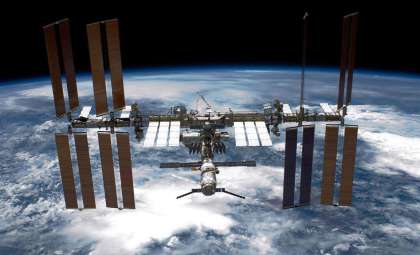
Scheduled for late 2027, NASA’s “Fly Foundational Robots” initiative represents a milestone demonstration intended to assess in-space robotics capabilities. Central to this mission is a commercial robotic arm operating under the harsh conditions of low Earth orbit, a foundational element in NASA’s efforts to advance in-space servicing, assembly, and manufacturing (ISAM). This project prepares the groundwork for autonomous technologies essential for forthcoming missions where robotics will be indispensable.
The mission is especially significant as it showcases the first application of technology envisioned for complex challenges such as satellite repairs, construction of expansive space structures, and routine upkeep of orbital stations.

Revolutionizing Space Infrastructure Through Robotics
The demonstration of this robotic arm initiates a larger NASA vision aimed at revolutionizing the creation and maintenance of space infrastructure. Bo Naasz, NASA’s senior technical lead for ISAM, highlights the significance of the mission,
“Today it’s a robotic arm demonstration, but one day these same technologies could be assembling solar arrays, refueling satellites, constructing lunar habitats, or manufacturing products that benefit life on Earth.”
These technological developments are critical for building a sustainable human presence on the Moon and Mars. By leveraging robotic arms for intricate space operations, NASA envisions astronauts being supported by an advanced array of autonomous machines, enhancing safety and capabilities on remote worlds. Consequently, the Fly Foundational Robots mission represents more than just a demonstration — it lays the foundation for future space mission architectures.
Advancing Sustainable Space Exploration
NASA’s ambitions reach well beyond this demonstration, with in-space robotics central to long-term exploration strategies. Emphasizing sustainability, NASA is creating autonomous systems that will aid in assembling space stations and other human habitats on the Moon and Mars. These innovations are also set to facilitate resource transport and the building of power generation infrastructure in orbit.
The commercial robotic arm will play a vital role by performing precise, repeatable operations. Integrated into NASA’s broader initiatives, these robots will undertake many duties currently done by astronauts but with improved efficiency and minimized risk.
NASA’s Vision for a Thriving Space Economy
An essential part of NASA’s robotics efforts is fostering a strong space economy. Demonstrating in-space robotics successfully is anticipated to open new commercial avenues, allowing private firms to develop their own space technologies inspired by NASA’s breakthroughs. By collaborating with industry, the agency aims to spark a fresh wave of innovation within the commercial space sector.
“These foundational technologies,” said Bo Naasz, “are how we build a dominant space economy and sustained human presence on the Moon and Mars.”
This economic transformation will extend beyond NASA and its contractors, creating expansive opportunities for private companies in space missions. The emerging exploration model will rely on partnerships between government agencies and commercial stakeholders, fostering a vibrant, competitive market for in-space services and infrastructure development.
- Categories:
- News




0 comments
Sign in to Comment