
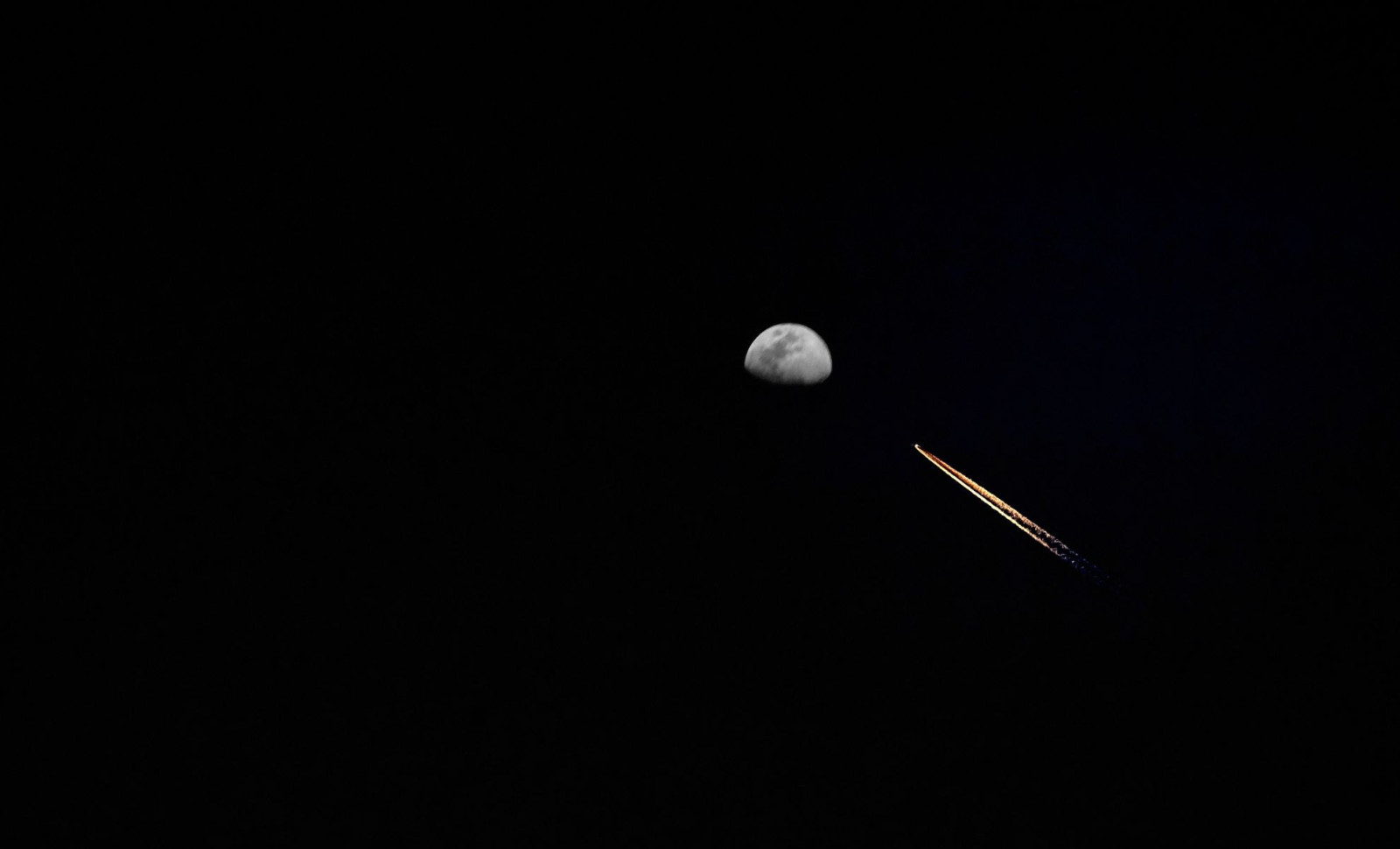
An upper stage of a SpaceX Falcon 9 rocket is slated to collide with the moon on August 5, 2026, near the Einstein Crater. This rare event presents a valuable chance for scientists to observe the effects of a man-made object striking the lunar surface.
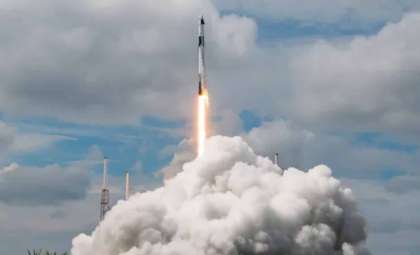
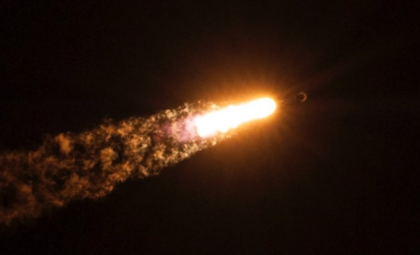
The object, designated 2025-010D, has been orbiting in space since January 2025, after it deployed two private robotic landers en route to the moon. Without enough fuel for a controlled return or trajectory change, this spent rocket stage will ultimately crash on the lunar surface. Such real-time observations of artificial impacts on the moon are uncommon, drawing keen interest from researchers.
A paper published on the arXiv preprint platform suggests this impact will improve scientists’ techniques for pinpointing lunar collision sites, potentially benefiting future seismic investigations on the moon.

Falcon 9 Upper Stage Approaching Lunar Surface
The object heading toward the lunar surface is the upper section of a SpaceX Falcon 9 rocket launched in early 2025. This mission successfully delivered two private robotic landers to the moon before the rocket’s upper stage continued on a separate path.
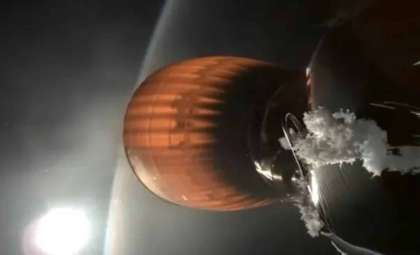
Following separation, the stage lacked a means to safely deorbit or depart lunar vicinity and remains without sufficient propellant to return to Earth or escape the moon’s gravity.
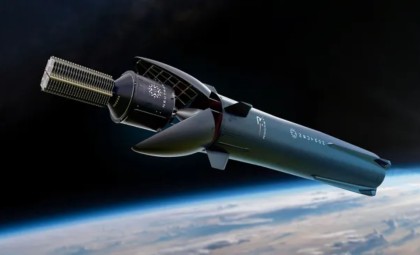
Measuring approximately 12 meters (39 feet) in length, 4 meters (13 feet) wide, and weighing near 4,000 kilograms, the rocket stage is forecasted to collide at about 8,750 kilometers per hour (5,400 mph).
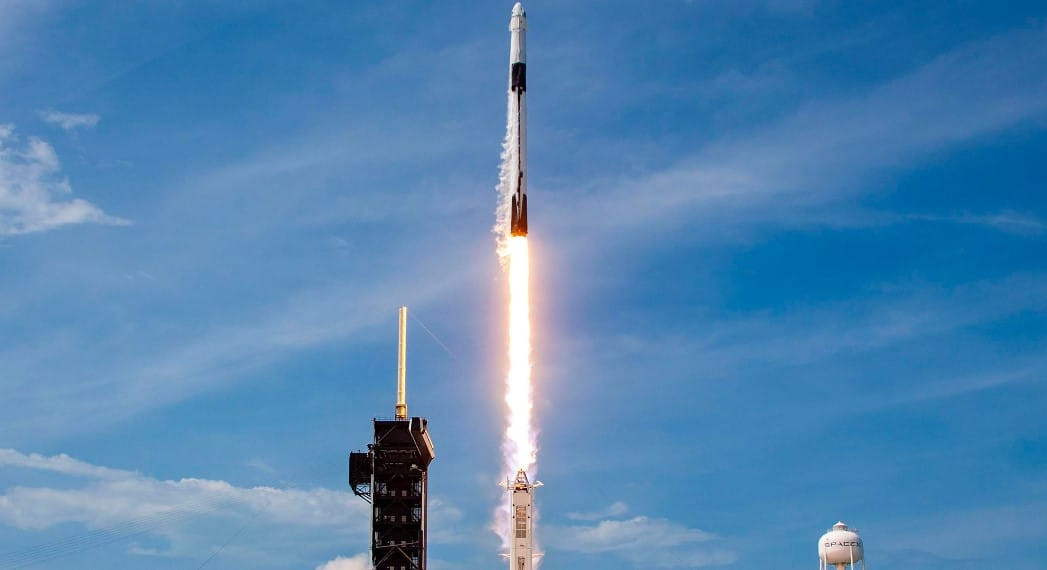
Scientists, using tracking data generated by astronomer Bill Grey, performed simulations to predict the collision's outcome. Results indicate the impact will differ significantly from those of natural rocky bodies.
Since the rocket stage consists primarily of a hollow metallic shell, it is expected to collapse upon impact, creating a crater estimated between 20 and 30 meters (66 to 98 feet) in diameter and ejecting a dust plume extending several kilometers above the surface.
Anticipated Impact Flash and Dust Plume
The most compelling observational aspect lies just after impact, when the collision will produce a bright flash and eject lunar material skyward. Capturing these events is a key goal for astronomers. According to the research publication:
“Potential observables from this event include the flash at the time of impact … and the ejecta plume.” These observations will allow scientists to compare what actually happens with their computer models.
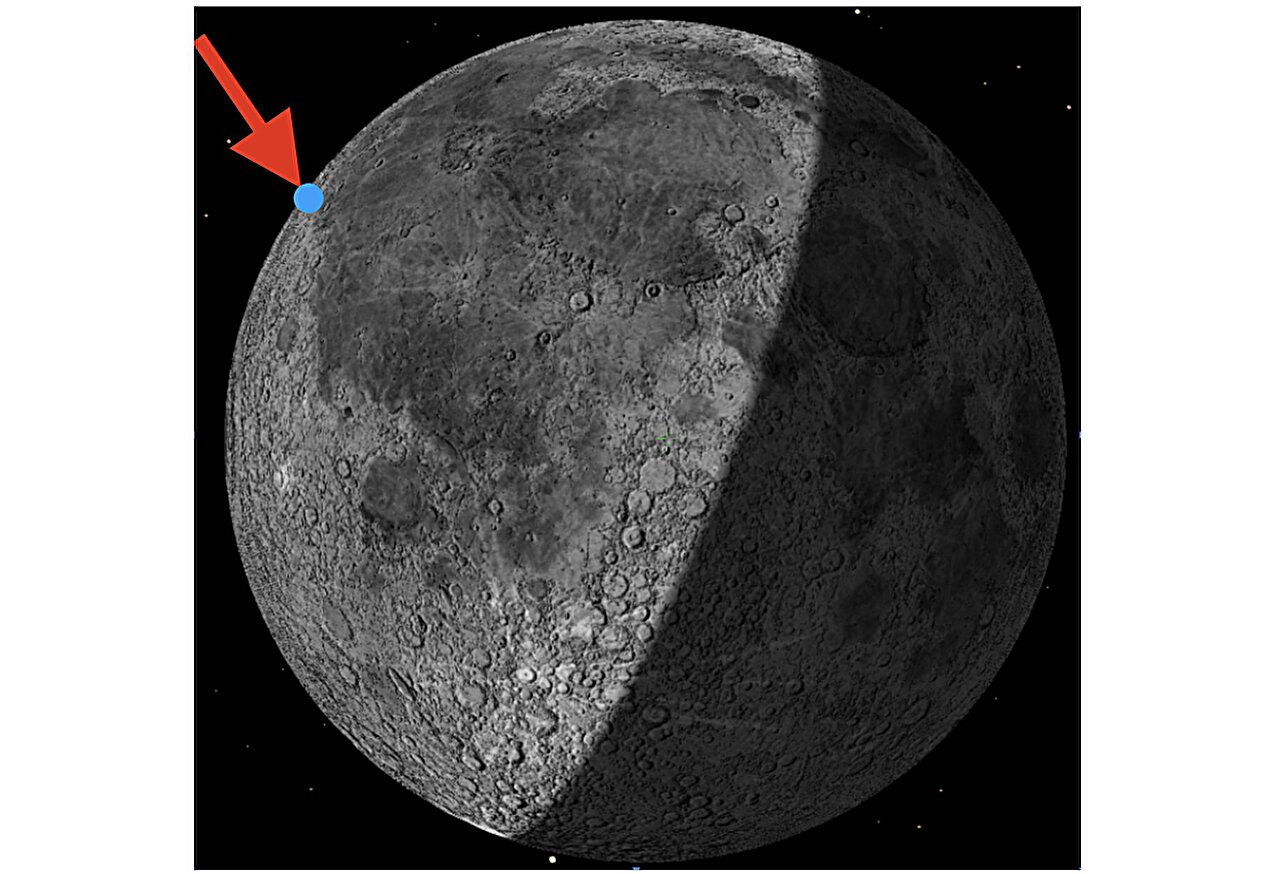
The collision is expected to occur on the moon’s near side, offering observers on Earth a potential viewing opportunity. To document the brief event, equipment capable of extremely high-speed video recording will be necessary.
The projected impact moment is 06:35 UTC on August 5, 2026. The researchers encourage both professional telescope operators and amateur enthusiasts to participate in tracking the event.
From Space Debris to Scientific Insight
This upcoming lunar impact transforms a discarded rocket component into an impromptu experiment. Monitoring the crash will provide insights into the interaction between artificial space objects and the moon’s surface.
The study emphasizes that enhancing impact localization techniques could improve the deployment of future lunar seismometers. These devices are vital for detecting subsurface vibrations and geological processes on the moon.
- Categories:
- News




0 comments
Sign in to Comment