
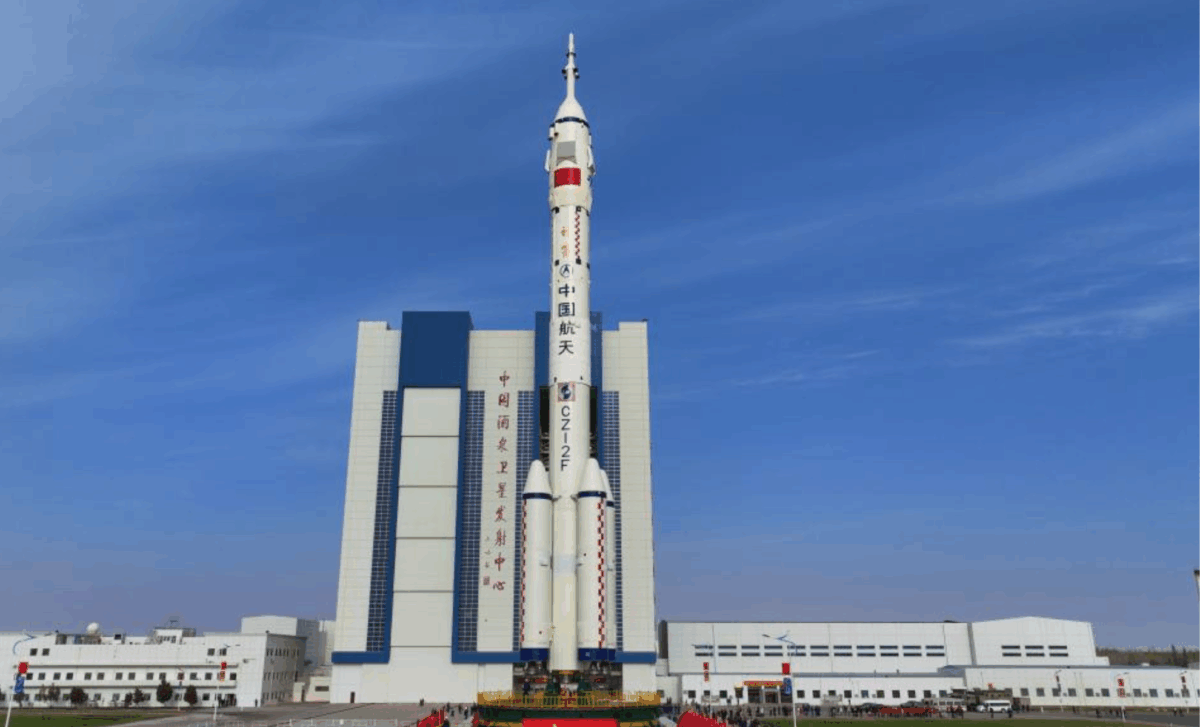
China is gearing up for its next milestone in human spaceflight as the Shenzhou-21 craft and its Long March-2F launch vehicle were transported to the launch complex at the Jiuquan Satellite Launch Center in China’s northwest region on Friday morning.
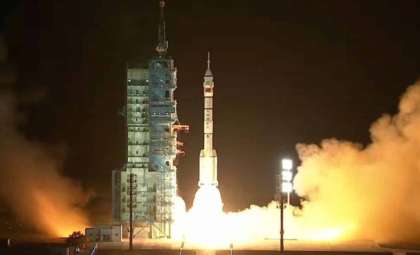
Though the Chinese space agency has not revealed the precise launch timing, it has indicated the mission will commence "within the next few days." This flight marks the tenth crewed expedition to the nation's Tiangong space station since 2021.
Beyond a simple launch, this event underscores China’s growing and consistent operational presence in low Earth orbit.

Methodical Progress Toward Space
Moving the integrated spacecraft and rocket over a distance of 1.5 kilometers along a dedicated rail system from the assembly area to the launch pad is a complex logistical exercise perfected over years by China’s space operations crew.
The Jiuquan Satellite Launch Center, situated in the Gobi Desert, is the cornerstone of China's human space endeavors, providing a secure and ideal environment for launch readiness. The Long March-2F rocket, the backbone of China’s crewed missions, continues its track record of dependable launches in this ongoing spaceflight cadence that China has honed for over a decade.
Details on the astronauts onboard and the mission’s scientific objectives are currently under wraps, but expectations point to ongoing experiments and routine maintenance aboard the Tiangong orbiting laboratory.
From Assembly to Mission Execution: Tiangong Reaches a New Chapter
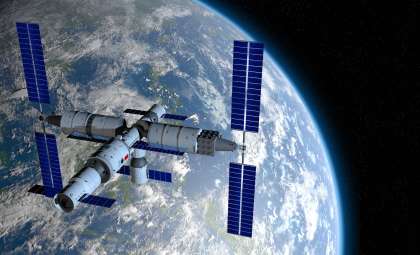
Since the initial module's deployment in April 2021, China has steadily moved from building the Tiangong station to fully utilizing it. The Shenzhou-21 flight represents the sixth crewed operation during the station’s functional phase and symbolizes continued growth.
The space station is designed to accommodate three astronauts for extended durations and plays a pivotal role in China’s efforts to establish a sustainable human foothold in Earth orbit. It supports advanced experiments spanning medicine, technology, and materials science in microgravity.
According to CGTN, this mission helps entrench China’s consistent cadence of crewed flights to the Tiangong station, highlighting that these endeavors are regular, planned operations rather than isolated events. The combination of precise engineering, political direction, and strategic planning distinguishes China’s space station activities from those of previous space programs and current international efforts.
What Sets This Flight Apart
Though the launch interval may seem routine, each mission to Tiangong introduces incremental advancements. Based on prior missions, Shenzhou-21 is anticipated to facilitate longer crew stays, enhance scientific research output, and enable more sophisticated maintenance tasks critical to demonstrating the station’s durability.
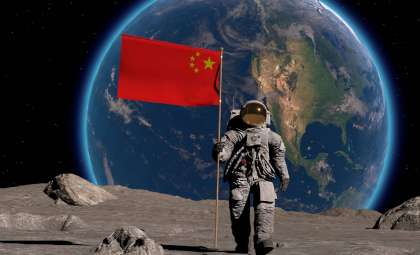
This mission also aligns with broader global ambitions in space exploration. As various nations plan lunar expeditions, asteroid studies, and Mars reconnaissance missions, China’s dedication to solidifying station operations signals its intent to demonstrate technical mastery and readiness for future projects, including the Chang’e-7 lunar mission slated for later in this decade.
Carrying personnel and experiments, the Shenzhou-21 launch embodies both the aspirations of a nation and international attention, marking another step for China as it steadily ventures deeper into space.
- Categories:
- News





0 comments
Sign in to Comment