
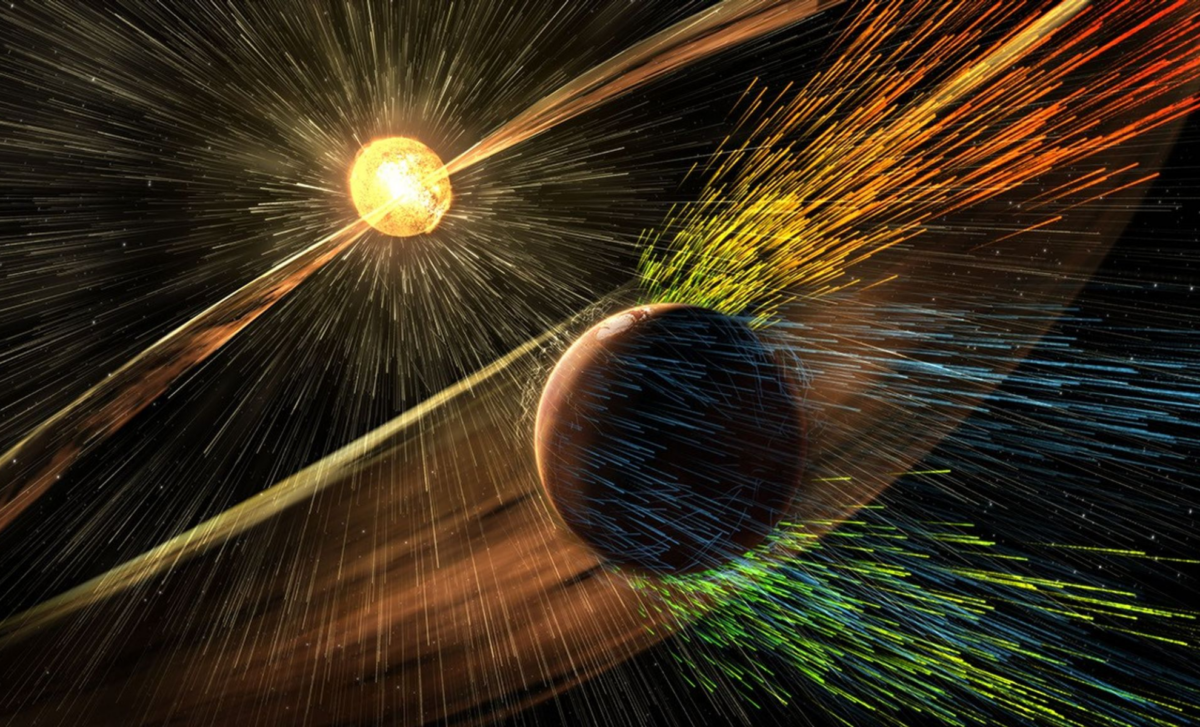
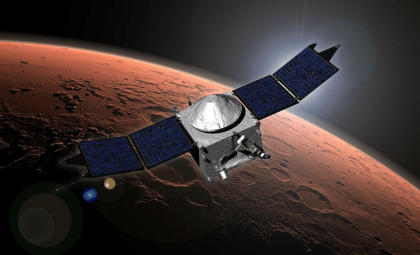
NASA's MAVEN spacecraft has identified a novel process driving localized auroras on Mars, uncovering unexpected dynamics within the Red Planet’s magnetic environment. Published in Nature Communications, this research demonstrates that Mars can produce auroral displays through a magnetic cycling mechanism resembling phenomena observed on Earth, even though Mars lacks a planet-wide magnetic field.
An Unexpected Magnetic Phenomenon Above Mars’ Atmosphere
Scientists have long pondered how Mars auroras form without the comprehensive magnetic shield that enshrouds Earth. Unlike Earth’s persistent global magnetic field, Mars’ once-strong magnetosphere decayed billions of years ago, leaving only isolated magnetic zones rooted in its crust. These remnant fields interact complexly with the solar wind and the Martian atmosphere.
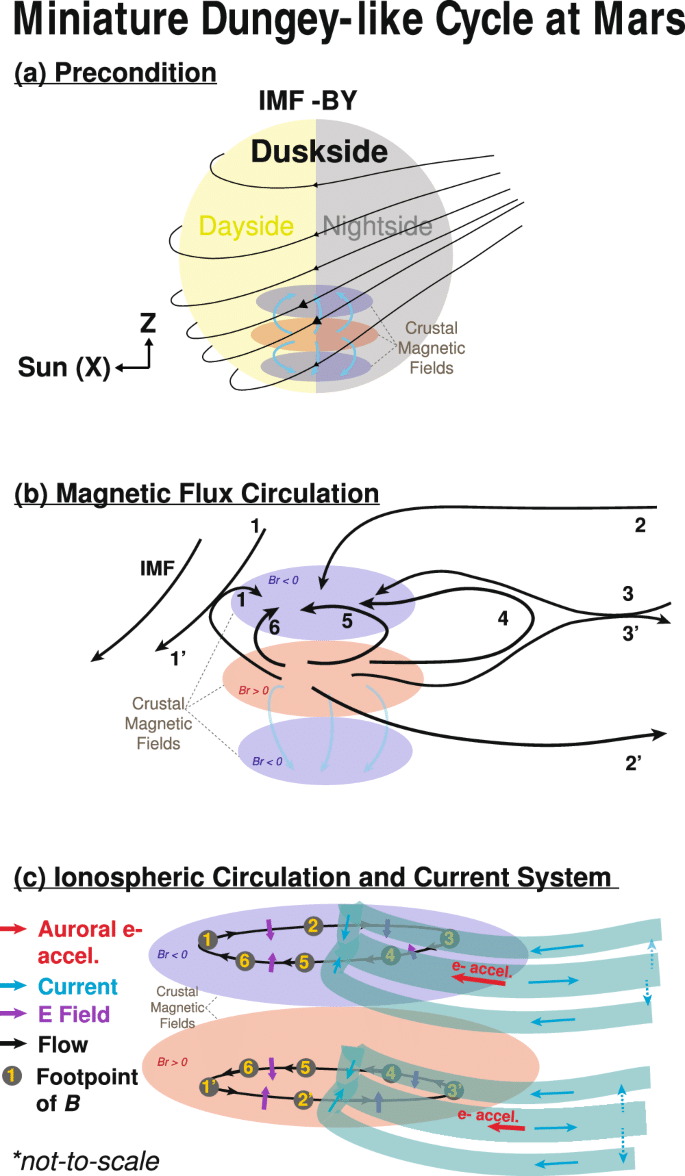
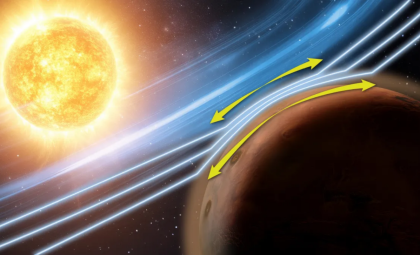
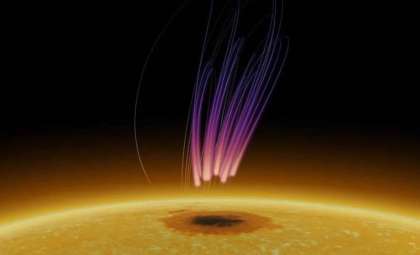
By analyzing data from the Mars Atmosphere and Volatile Evolution (MAVEN) mission, researchers detected signs of a localized magnetic cycle that sheds light on auroral formations. They found that crustal magnetic fields reconnect with interplanetary magnetic fields transported by the solar wind, permitting charged particles to enter the atmosphere and generate ultraviolet aurorae.

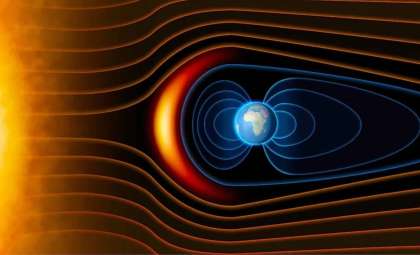
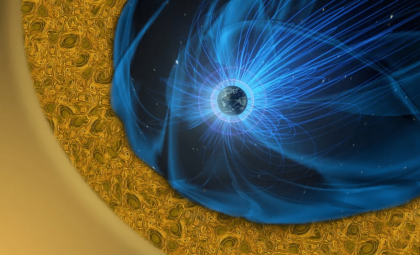
This behavior is analogous to Earth's well-known Dungey cycle, though scientists did not expect Mars to exhibit such a cycle without a global magnetic field. This insight fundamentally shifts understanding of Mars’ magnetic interactions with its space environment.
“We knew that magnetic reconnection was happening at Mars but did not expect it to be like the Dungey cycle,” said Shaosui Xu, lead author of the study and associate research physicist at the Space Sciences Laboratory at the University of California, Berkeley.
MAVEN’s Instruments Reveal Critical Magnetic Interactions
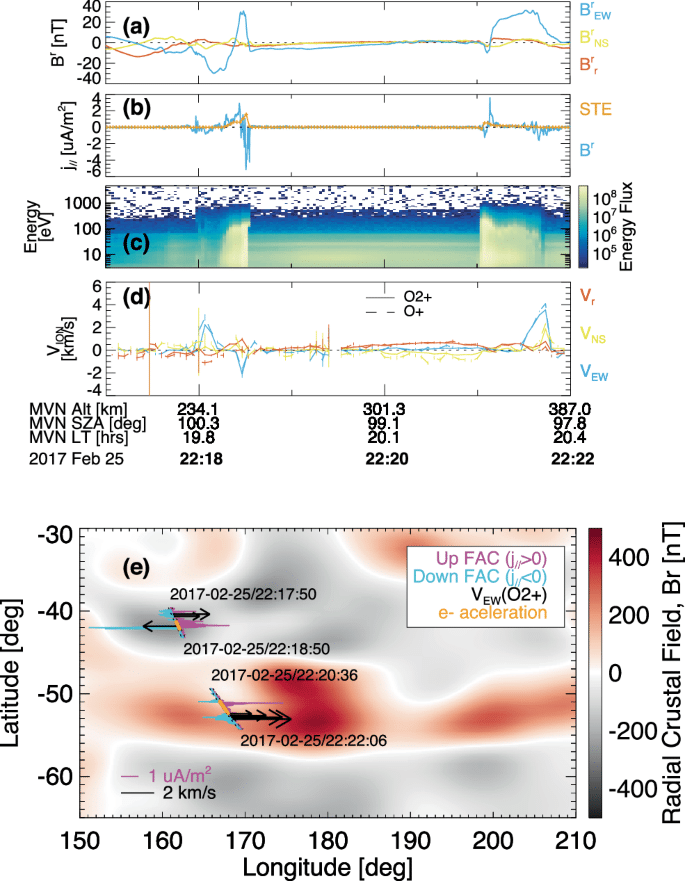
The breakthrough came from precise data collected by MAVEN’s Solar Wind Ion Analyzer (STATIC). Over years, this instrument has tracked how ions escape Mars and how the solar wind modifies the upper atmosphere. This detailed information enabled researchers to investigate ion and electron movements linked to Martian auroras.
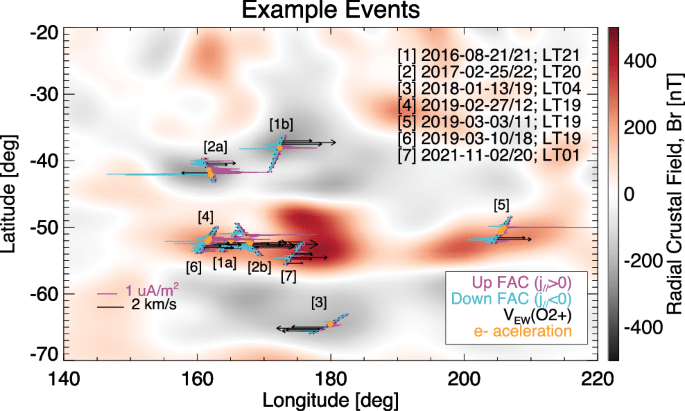
They discovered that Mars’ magnetic environment can cyclically trap and release energy through interplay between crustal magnetic fields and the solar wind. This explains why auroral activity is concentrated in certain areas rather than being planet-wide.
Reported in Nature Communications, this study offers a fresh perspective on how auroras emerge on a planet without a global magnetic field. It also yields insights into Mars’ atmospheric history and the influence of magnetic changes over billions of years.
“We really pushed the limit of STATIC to get the data we needed,” said Xu. “It was the final piece to the puzzle in understanding these localized auroras.”
A New Perspective on Mars–Earth Magnetic Parallels
This discovery underscores a profound link between Mars and Earth. Governed by the same physical principles, both planets’ magnetic histories diverged sharply: Earth retains a strong global magnetic field, whereas Mars’ dynamo shut down long ago, diminishing its atmospheric protection from solar radiation.
Grasping Martian auroras offers clues to Mars’ evolution from a once wetter, thicker-atmosphere world to the arid, thin atmosphere planet we see today. Magnetic processes remain pivotal in unraveling planetary environmental transformations.
“This is a remarkable result that changes how we think of Martian auroras and is another important step toward understanding why Mars and Earth have evolved so differently despite being governed by the same underlying physics,” said Shannon Curry, MAVEN’s principal investigator and a research scientist at the Laboratory for Atmospheric and Space Physics at the University of Colorado Boulder. “I am incredibly proud of our team’s work on this discovery and excited to uncover new insights into the Red Planet and its evolution.”
The findings also emphasize the importance of sustained planetary exploration missions. Since its 2014 arrival at Mars, MAVEN continues to expand knowledge about the interactions between the Martian atmosphere, magnetic fields, and its space environment.
Answering Longstanding Questions About Mars’ Magnetic Behavior
This study bridges MAVEN data with past theoretical speculations concerning interactions between Mars’ ancient crustal magnetism and the solar wind. Though theorists proposed magnetic cycling could occur, direct observational proof had been elusive.
Thanks to MAVEN’s data and magnetic field modeling, scientists now clearly understand the mechanism behind localized Martian auroras.
“I remember in graduate school discussing with my advisor how the cycling of crustal magnetic fields could work at Mars,” said Xu. “It’s incredible to be part of the team that found the answer to that question.”
These results pave the way for upcoming missions to further explore how magnetic phenomena impact atmospheric escape, particle dynamics, and the long-term development of rocky planets like Mars.
- Categories:
- Nasa






0 comments
Sign in to Comment