

Could we one day ease the impact of distressing memories or even diminish their emotional weight? Once a concept confined to science fiction, cutting-edge research is now revealing ways to influence how our brains store and recall memories.
A global team of researchers has pioneered a technique to mitigate negative memories by reinforcing positive associations, paving the way for novel treatments of trauma-related psychological conditions.
Innovative Approach to Memory Modification
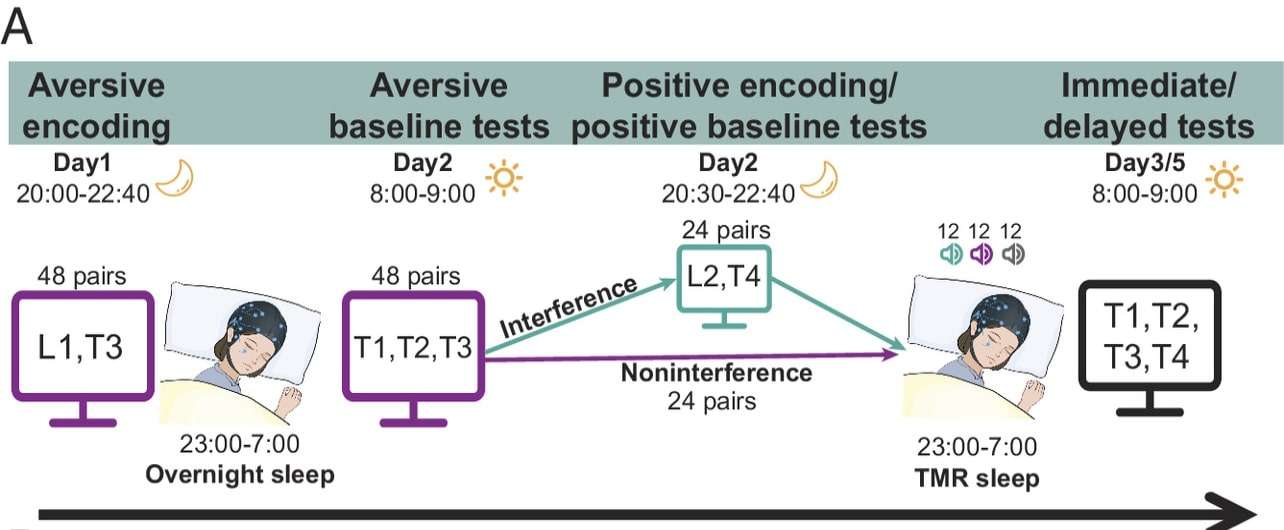
In a recent experiment, volunteers were tasked with pairing arbitrary nonsense words with disturbing images sourced from aversive content collections, such as pictures of injuries and dangerous animals. After these connections were established, half of these words were "reprogrammed" by associating them with pleasant images like tranquil landscapes and joyful faces.
The breakthrough occurred during sleep. On the second night, the researchers played audio reminders of the nonsense words during non-rapid eye movement (NREM) sleep — a phase critical for memory consolidation. Electroencephalogram recordings detected increases in theta wave activity, linked to emotional memory processing. Remarkably, this intervention weakened participants' ability to recall negative images while heightening the accessibility of positive memories.

Mechanisms Behind Memory Change
Understanding the Boundaries of Memory Alteration
While these results are promising, there are limitations. The negative images used, though unsettling, did not replicate the intensity or complexity of actual traumatic experiences such as accidents or bereavements. Altering entrenched memories tied to real-world trauma will likely be more difficult.
Ethical concerns about manipulating memories also warrant serious discussion. Is it morally acceptable to erase memories that define our identity? Could such interventions be exploited, potentially crossing ethical lines into mind control? These pivotal questions will need thorough exploration as this field advances.
A Beacon of Hope in Mental Wellness
Despite hurdles, this research offers encouragement for individuals grappling with distressing memories. Continued exploration might soon lead to non-invasive therapies for conditions like post-traumatic stress disorder (PTSD), anxiety, and depression. Harnessing sleep—an essential biological process—could become a powerful avenue for emotional recovery.
Additionally, the findings enrich our comprehension of how memories are encoded and retrieved. They highlight memory's adaptability and the intricate connections between sleep, emotion, and brain activity. These insights may not only advance mental health care but also impact education, learning, and cognitive enhancement.
From Fiction to Scientific Reality
The concept of memory alteration has intrigued storytellers for decades—from the neural erasers in Men in Black to the targeted forgetting in Eternal Sunshine of the Spotless Mind. Although real-world applications are subtler and more complex, they satisfy a fundamental human wish: to escape from the pain of past experiences.
This study suggests that such hopes might soon become achievable. With further research, memory modification could evolve into a safe, effective method to enhance quality of life. Whether dealing with traumatic scars or embarrassing moments, recovery might eventually be as simple as a restful night accompanied by specific sound cues.
- Categories:
- News













0 comments
Sign in to Comment