
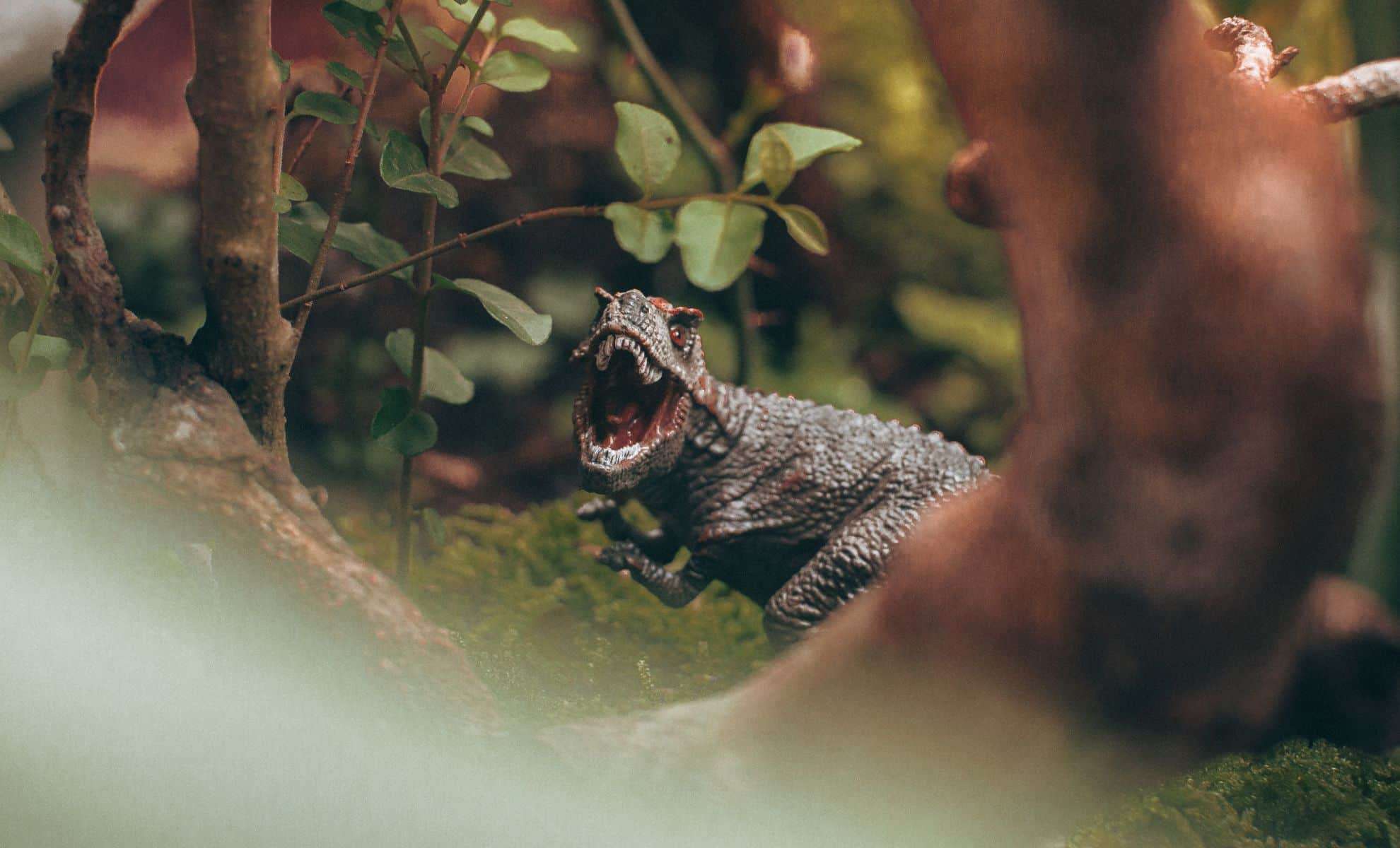
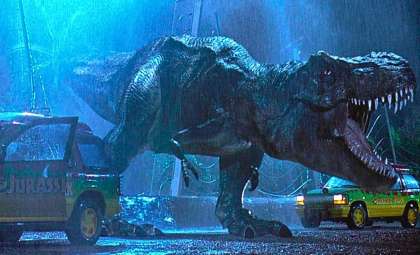
A recently uncovered dinosaur fossil with an intact larynx offers fresh clues about how dinosaurs might have sounded long ago. Contrary to the fearsome roars popularized by movies like Jurassic Park, some dinosaurs probably produced chirps, whistles, or bird-like calls.
Remarkable Find in Northern China’s Jurassic Deposits
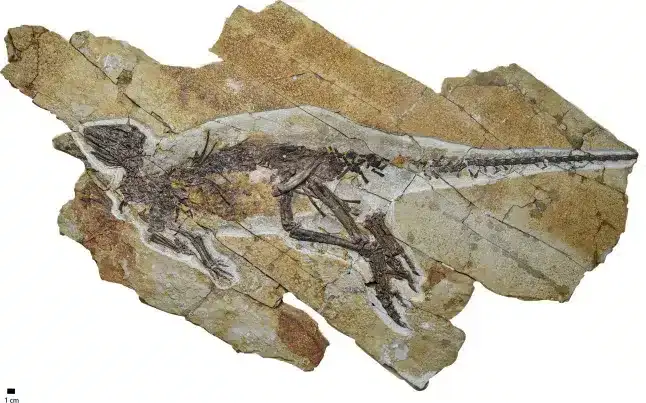
A new research paper published in PeerJ reveals that Chinese scientists have discovered a complete skeleton of a previously unknown dinosaur species in the Upper Jurassic strata of the Tiaojishan Formation, located in Qinglong, Hebei Province. This dinosaur lived more than 150 million years ago and has been named Pulaosaurus qinglong, inspired by Pulao, a mythical dragon famed in Chinese legend for its loud scream.
The fossil was retrieved from the Yanliao Biota, a unique fossil site known for preserving Middle to Late Jurassic organisms. Notably, this site lacks fossils from neornithischian dinosaurs, so the discovery of Pulaosaurus provides important insight into a missing evolutionary group from this area.

Measuring approximately 28 inches long and bipedal, Pulaosaurus qinglong was a small, plant-eating dinosaur. The excitement among paleontologists stems from the exceptional preservation of its soft tissues, particularly its larynx, which is rarely found fossilized.
The Vocal Anatomy That’s Changing Dinosaur Sound Theories
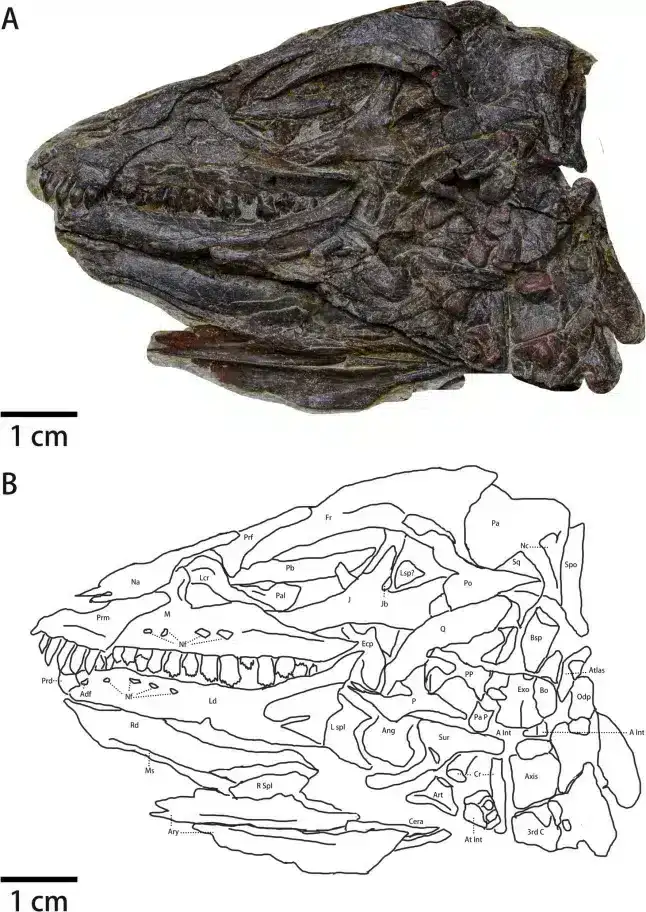
One of the most extraordinary features of this fossil is the discovery of intact laryngeal parts, making it the first dinosaur specimen to exhibit a fully preserved voice box. The larynx contains cartilage-like elements shaped like leaves, bearing close similarities to those seen in modern birds.
This similarity has led researchers to hypothesize that Pulaosaurus probably did not produce the loud roars depicted in films. Instead, its vocalizations might have resembled chirps, whistles, or other bird-like calls. Though compression of the dinosaur’s lower jaw prevents precise sound reconstruction, the anatomical evidence strongly supports avian-style vocal abilities.
The team notes that, “the exact width cannot be determined due to jaw compression, thus acoustic estimation is not possible.” Even so, the bird-like voice box design challenges traditional notions of dinosaur calls.
Were Chirping Dinosaurs More Common Than Thought?
Previous findings have hinted at similar vocal adaptations. In 2023, scientists described a fossilized larynx from a armored dinosaur named Pinacosaurus, which measured about 16 feet long. Though distant relatives separated by roughly 90 million years, both species show corresponding larynx features.
This suggests that chirp-like vocalizations might have been widespread across different dinosaur groups, not limited to the bird lineage. The Pulaosaurus fossil provides strong support for the idea that bird-like sounds evolved far earlier than previously believed.
“Reexamining vocal anatomy in non-avian dinosaur fossils is necessary to better understand their acoustic capabilities,” the authors state.
Why Are Voice Box Fossils So Uncommon?
Voice box fossils are exceptionally rare due to their delicate composition, which rarely survives over millions of years. The researchers suggest that such structures might often be overlooked or confused with other throat components in fossil specimens.
This remarkable level of preservation opens new doors to investigating a long-standing question in paleontology: how dinosaurs actually sounded, not just how they looked. Such findings have the potential to transform our scientific and cultural understanding of prehistoric life.
Dinosaurs continue to influence modern science in surprising ways. For example, research at Anglia Ruskin University is studying tumors found in the fossils of another herbivore, Telmatosaurus transsylvanicus, aiming to develop novel cancer treatments for humans.
- Categories:
- News











0 comments
Sign in to Comment