
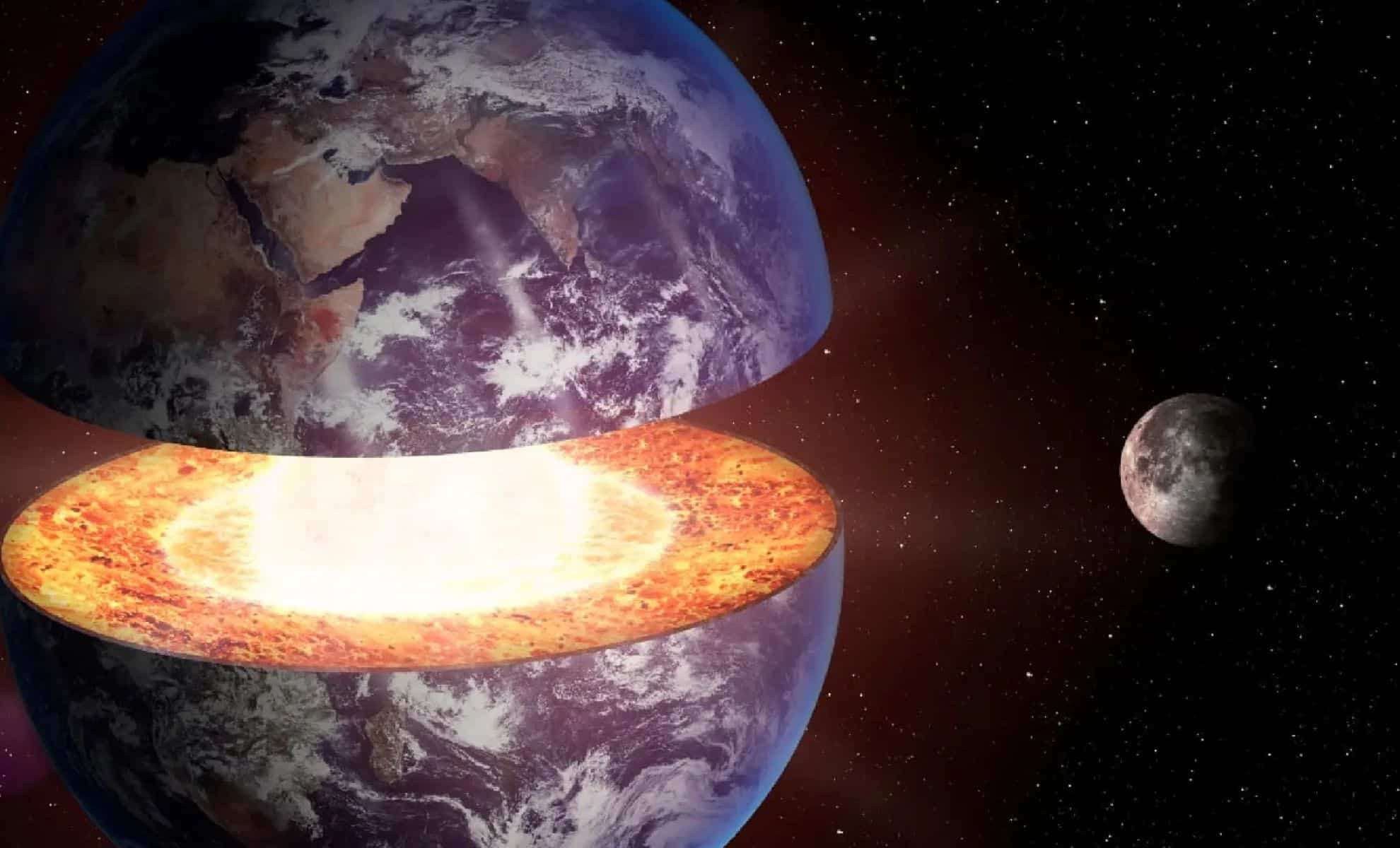
Situated more than 3,000 miles beneath the surface, Earth’s solid inner core was traditionally considered fixed and unaltered at the planet’s center. However, new findings unveiled in a recent study published in Nature Geoscience reveal that the inner core has not only decelerated but has begun to rotate in the opposite direction relative to Earth's surface.
This breakthrough transforms our comprehension of the planet’s innermost region, confirming a long-standing hypothesis: the inner core is dynamic, playing a crucial role in shaping Earth's magnetic field, day length fluctuations, and more.
Earth’s Innermost Engine Exhibits a Shift in Rotation
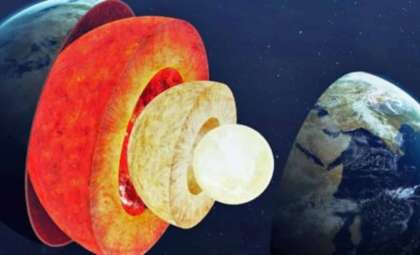
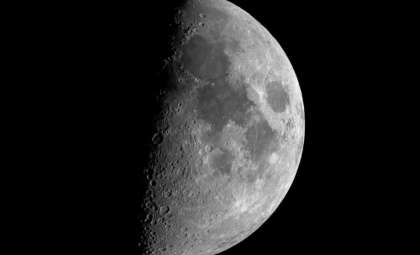
Earth’s interior is organized in layers—from the crust and mantle to the liquid outer core, culminating in the solid iron inner core roughly lunar in size. Previously, scientists believed this inner core rotated fractionally faster than the planet above it.

Recent analyses of extensive seismic records—from natural quakes and historic nuclear detonations—show clear evidence that starting around 2010, the inner core began slowing and has since reversed its spin relative to the crust and mantle.
“My initial reaction to the seismograms suggesting this phenomenon was disbelief,” explained John Vidale, the study’s lead researcher and Earth sciences professor at USC. “But after corroborating the pattern with numerous other datasets, the conclusion became undeniable.”
Tracing Core Motions via Earthquakes and Nuclear Seismic Signals
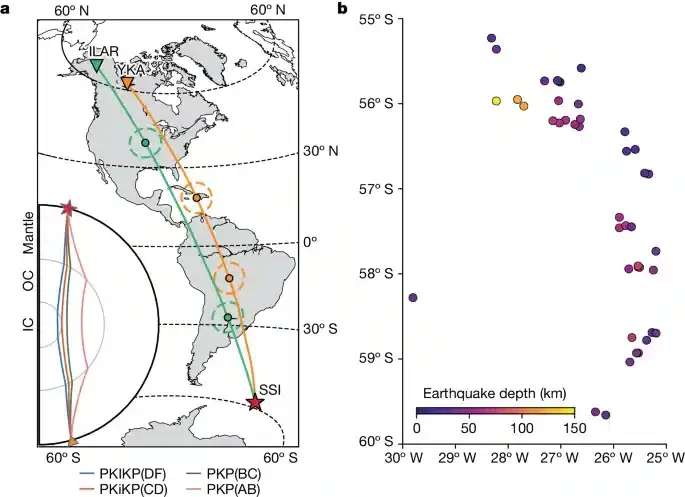
Scientists examined seismic waves from 121 repeat quakes near the South Sandwich Islands recorded between 1991 and 2023, alongside data from Soviet, American, and French nuclear tests from the 1970s. These waves journey through Earth's depths, bouncing off the inner core and exposing subtle shifts in its rotation.
The results revealed not just a deceleration, but a complete reversal. Once thought to spin ever so slightly ahead of the surface, the inner core has slowed to a near halt and begun drifting in the reverse direction.
Vidale attributes this phenomenon to intense inner forces beneath Earth’s surface, including the turbulent iron flow in the outer core that powers the geomagnetic field and gravitational influences from dense mantle regions.
Subtle Shifts in Earth’s Rotation Timing
This reversal may slightly affect the length of a day, although the variations—measured in mere thousandths of a second—are imperceptible to daily life.
Nonetheless, these tiny changes hold significance. Earth’s rotation rate, magnetism, and potentially tectonic motions are interconnected through this deep geodynamic interaction between the rotating inner core and its liquid outer core encasement.
“Our observations indicate the outer core is exerting influence on the inner core,” Vidale said. This suggests the inner core could be more than a rigid sphere—it may change shape, adapt, and deform over geological time.
Evidence Suggests Inner Core Boundary Is Also Evolving
Beyond rotation, the study hints at structural transformations along the inner core’s boundary.
Seismic data from stations in Alaska, Canada, and other locations indicate that the outermost layers of the inner core might be slowly altering due to viscous deformation, implying the core remains responsive to internal dynamics across extended timescales.
“A particular set of seismograms caught my attention amidst decades of data,” Vidale recalled. “Initially perplexing, but advancing analysis techniques have brought clarity.”
Why This Discovery Resonates Beyond Geology
While the concept of a core reversing its spin might seem like speculative fiction, this process is integral to Earth’s magnetic field generation, which shields life by deflecting harmful solar radiation and guides migration and satellite operations.
Recognizing the inner core’s unexpected behavior enhances our understanding of magnetic reversals, geodynamic cycles, and comparative planetary science.
This finding doesn’t imply any immediate threat but reveals that Earth’s deepest heart is a dynamic, evolving engine full of unexpected activity.
- Categories:
- News







0 comments
Sign in to Comment