
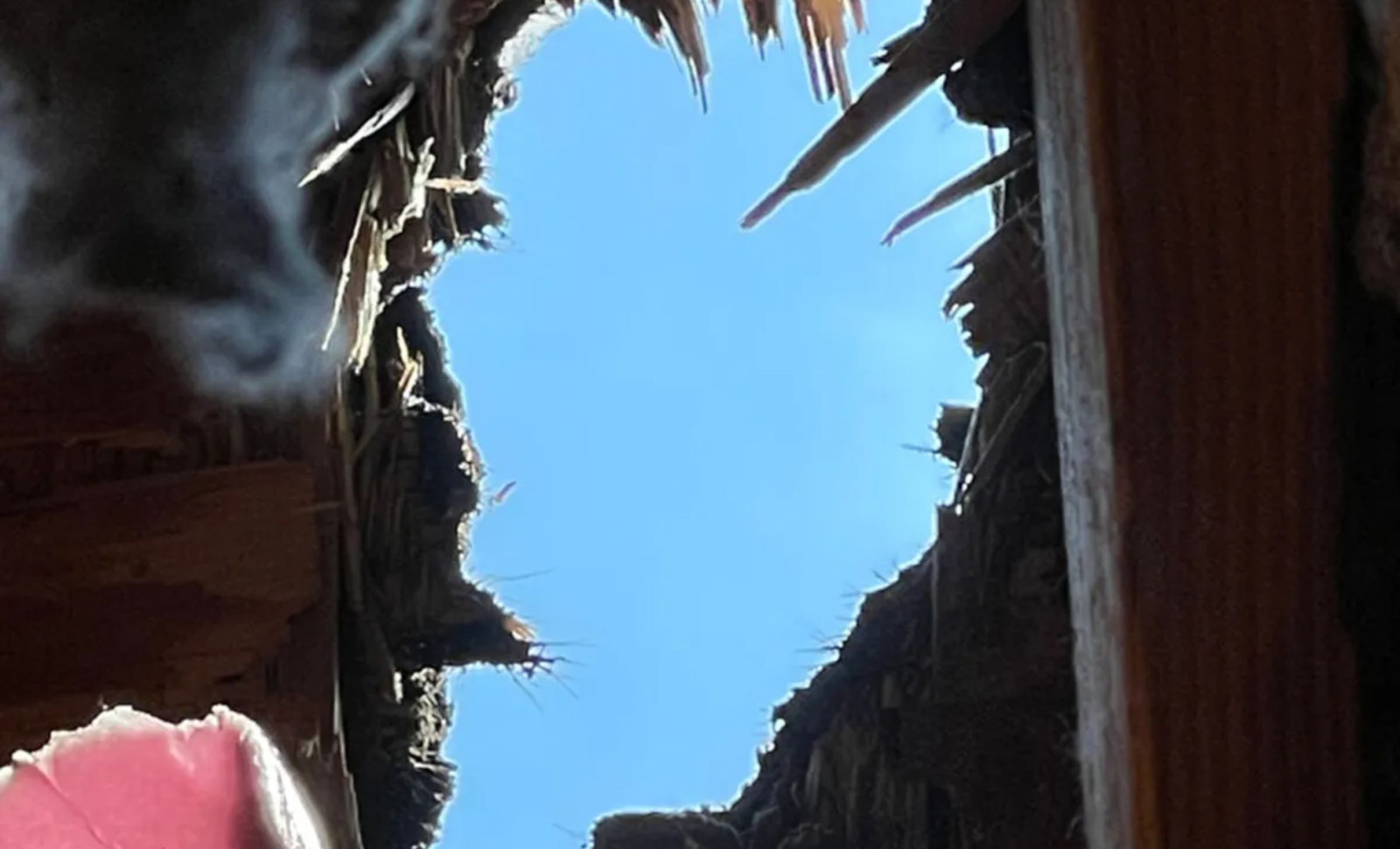
A meteorite that crashed through the roof of a residence in New Jersey has unveiled significant scientific revelations, containing traces of primordial salty water and unique organic molecules. NASA and research detailed in Science Advances highlight how this rare, well-documented find sheds light on early solar system conditions.
On July 16, 2024, the space rock impacted a house in Hillsborough, Somerset County. While meteorites occasionally reach Earth's surface, recovering one that was both observed during its atmospheric entry and quickly secured is quite rare.
A local amateur astronomer recognized the specimen’s potential importance and took care to gather the fragments using gloves, storing them properly. As NASA notes, this swift action preserved the meteorite in excellent condition for thorough scientific study.

Tracking the Meteorite’s Origins Through Multifactored Evidence
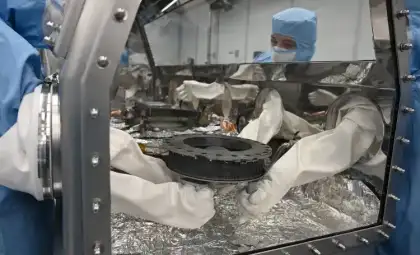
Scientists pieced together its history by combining video footage of the fireball with detailed lab analyses of its structure and composition.
According to the Science Advances study, these combined observations helped pinpoint the meteorite’s likely origin within the asteroid belt. The rapid retrieval minimized contamination, allowing researchers to analyze material preserved since its arrival on Earth.
Peter Jenniskens, the study’s principal investigator and meteor expert at NASA’s Ames Research Center and the SETI Institute, highlighted the value of such recoveries.
“When we have both a documented fireball and a quick recovery of its meteorite, we can learn not only what the rock is made of, but where it came from in the asteroid belt,” he said, according to NASA.
This level of detailed observation is uncommon, making the Hillsborough meteorite a crucial sample for ongoing solar system research.
Preserved Signs of Ancient Salty Water Within the Space Rock
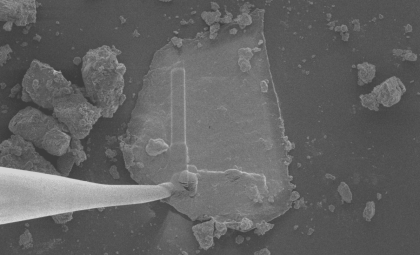
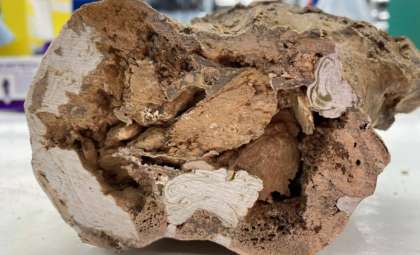
Through microscopic examination, scientists found mineral formations created by ancient saline fluids that once flowed inside the asteroid source of the meteorite. These minerals remain as evidence of water-related processes predating the meteorite's arrival on Earth.
Additionally, amino acids were discovered within the salty mineral residues. The research highlights these compounds as scarce on Earth and suggests they are “likely extraterrestrial in origin.”

Such discoveries provide insight into the interactions between water and rocky bodies during the solar system’s infancy. The meteorite encases chemical markers that have remained untouched inside its parent asteroid for billions of years before landing on Earth. Mike Zolensky, a co-author of the study and meteorite specialist, emphasized the wide-reaching scientific implications.
“If you follow the water through the solar system, you’re actually following life,” he said. “Following the history of water through the solar system is an essential part of understanding the origin of life.”
Homeowners Recognized the Meteorite’s Scientific Importance
The family living in the Hillsborough residence, who chose to keep their identities private, immediately realized the significance of the meteorite. Instead of treating it as a mere curiosity, they preserved the fragments thoughtfully for scientific examination. As covered by ABC 6, the homeowners expressed,
“We knew almost immediately that what happened to us was incredibly rare and we felt a responsibility to preserve the meteorite for the scientific community.”
They reflected on the extraordinary journey of the rock before it arrived at their home, viewing the incident as a unique link between an everyday domestic event and a vast cosmic narrative.
“It’s still surreal to think that this meteorite traveled through space for millions of years before ending its journey in our home. The entire experience has been incredible, and we’re honored to have played a small part in advancing scientific understanding through its study,” they said.
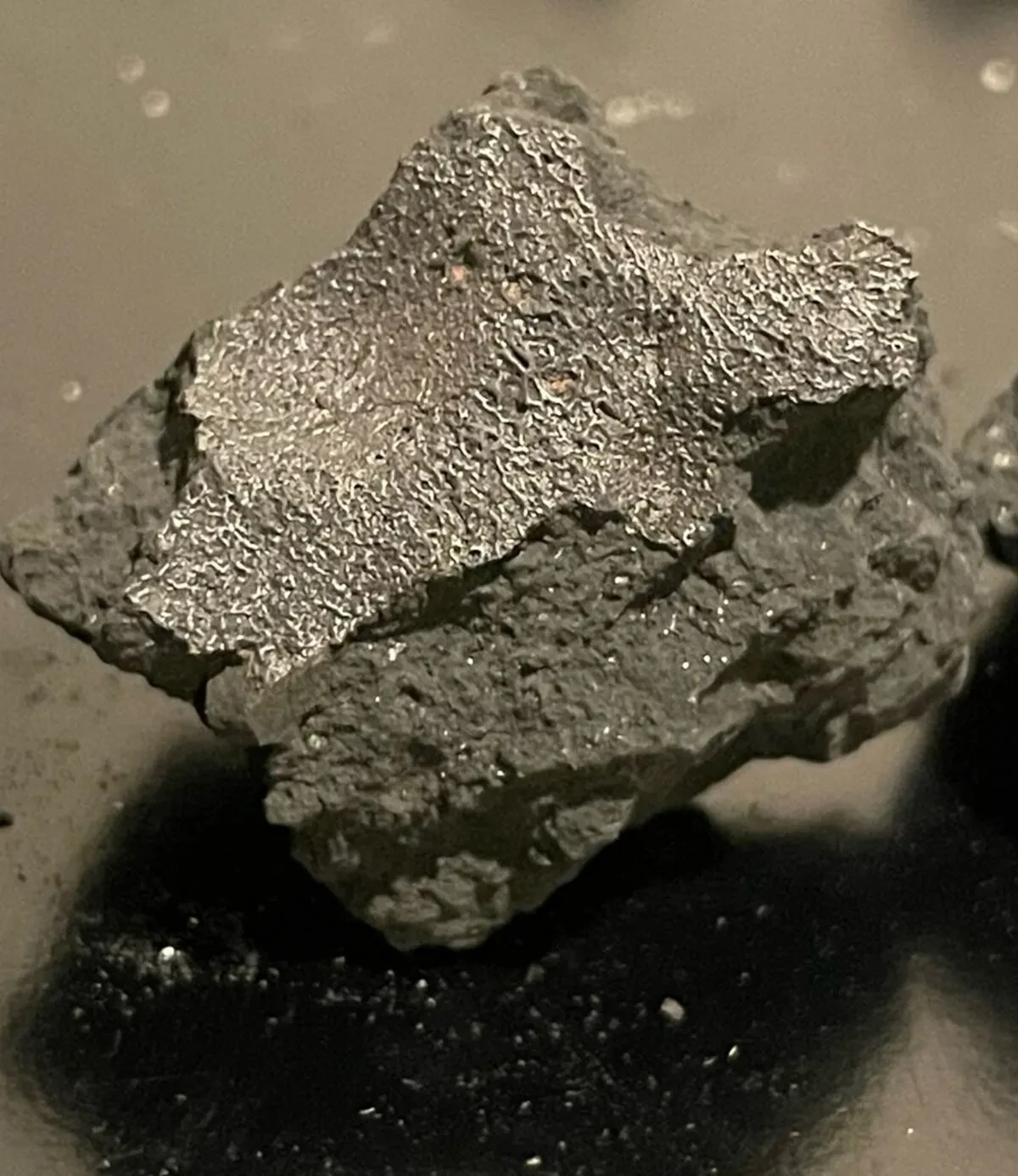
Their careful preservation gave scientists a uniquely well-document sample, enabling in-depth study of both the meteorite’s voyage through space and the ancient chemical clues it carries from the dawn of the solar system.
- Categories:
- Science






0 comments
Sign in to Comment