
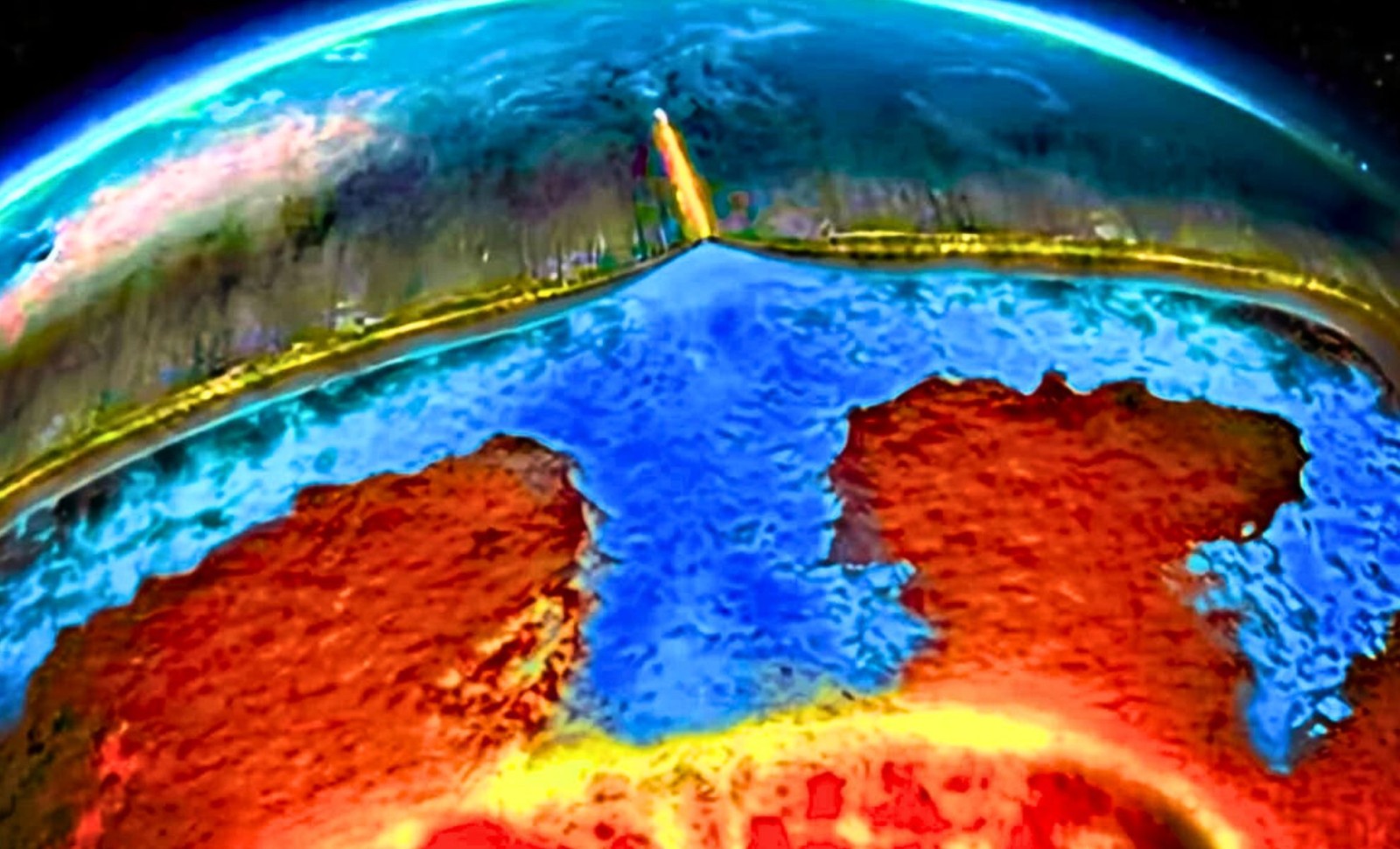
Our understanding of Earth’s primordial conditions is shifting dramatically. Once thought to be largely devoid of water deep down, recent findings indicate that an immense hidden water reservoir may reside within the lower mantle, formed during the planet's earliest stages and still influencing geologic activity now.
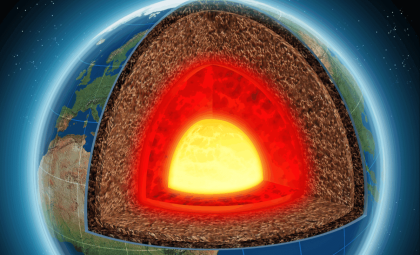
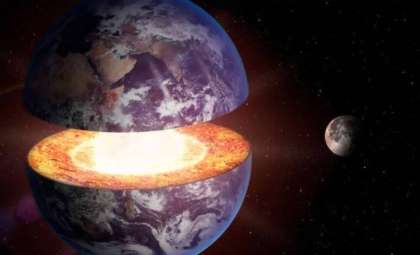
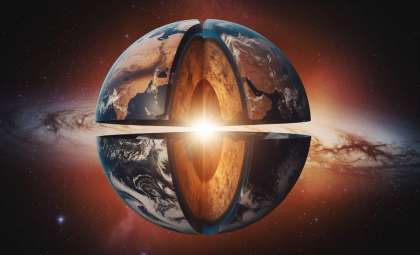
A breakthrough study published in Science on December 11 uncovers that bridgmanite, a common mineral deep inside Earth, can contain far more water than scientists once assumed under extreme conditions. This suggests that the greatest volume of water on our planet might not be in the Pacific Ocean, but rather buried some 1,000 miles (1,609 km) beneath the surface.
Simulating Early Earth’s Harsh Interior Conditions
A team led by Wenhua Lu at the Carnegie Institution for Science employed high-pressure, high-temperature experiments that mimic the intense environment of Earth’s deep interior. Using a laser-heated diamond anvil cell, they recreated conditions hotter than 3,700 Kelvin and pressures over 700,000 atmospheres, akin to those present when the young planet’s magma ocean cooled and solidified.

These simulations demonstrated that bridgmanite absorbs increasing amounts of water as temperature climbs. The research highlights a trend of “enhanced incorporation of water into bridgmanite at elevated temperatures,” implying that substantial water may have remained trapped in the mantle rather than escaping to the surface.
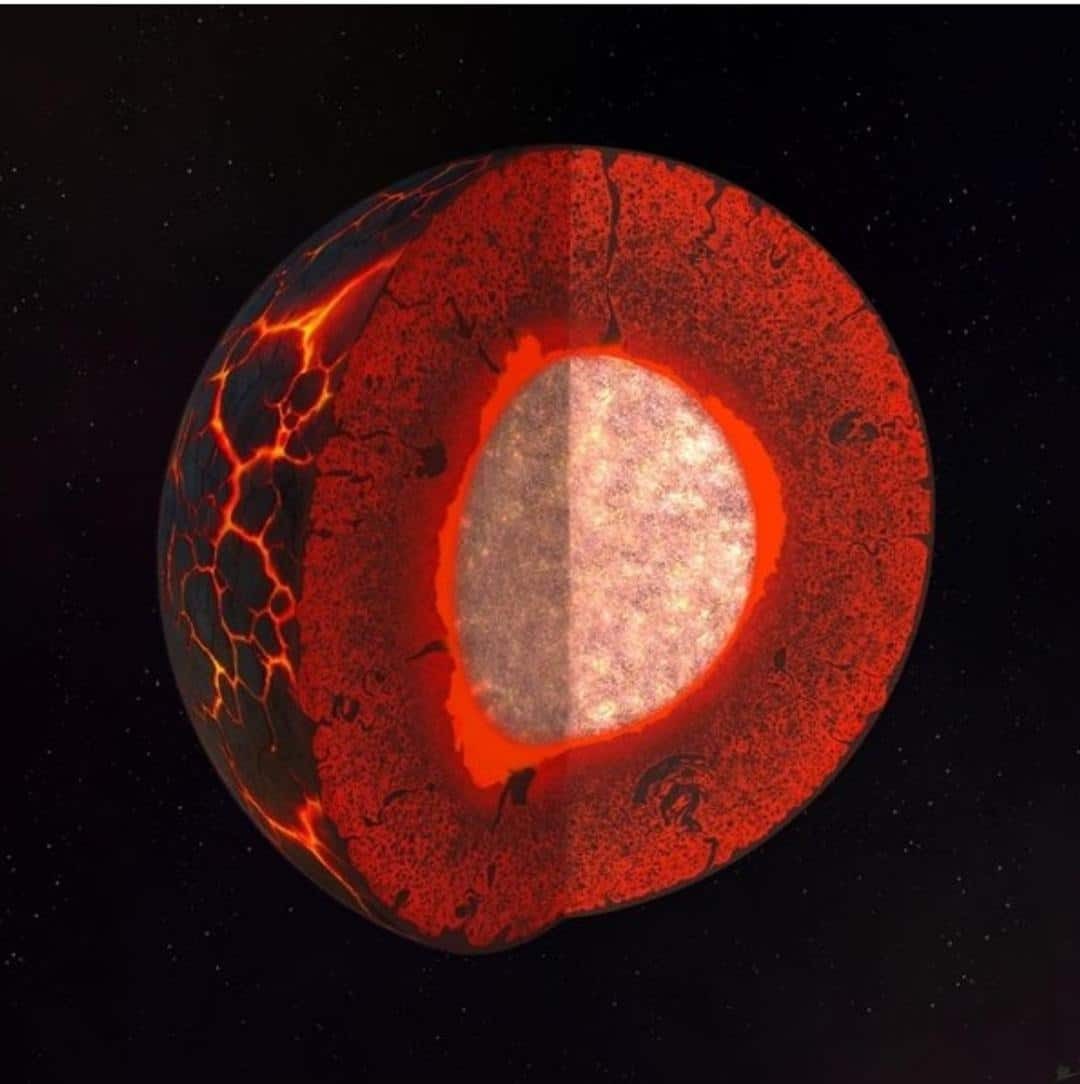
An editorial accompanying the paper in Science emphasizes that prior models likely underestimated how much water was retained inside Earth’s interior during its infancy.
Hidden Waters Vastly Exceed Surface Oceans?
The findings have profound implications. Scientists now propose that Earth’s lower mantle could house water volumes comparable to multiple surface oceans. This water exists not as liquid but chemically bound within minerals, crafting a vast, unseen reservoir locked in solid rock.
Confirming this would broaden our concept of the global water cycle, traditionally focused on atmospheric and surface processes. This deep water repository might also explain unique chemical markers found in mantle plume volcanism at hotspots like Hawaii and Iceland, linked to ancient mantle materials.
Moreover, the study supports accumulating evidence that Earth’s water is not solely the result of late external delivery. The planet’s interior may have consistently functioned as a water reservoir, moderating surface environments across geological timescales.
Reassessing Earth's Original Water Origins
For many years, scientists have believed Earth's water arrived late via cometary or asteroidal impacts during the Late Heavy Bombardment. However, this research lends credibility to the “wet accretion” hypothesis, proposing water was incorporated early on, embedded within the planet’s formative materials.
This new perspective has important ramifications beyond Earth. If rocky planets acquire internal hydration during formation, they might hold significant hidden water even if their surfaces appear barren. Such insights expand the criteria for assessing exoplanet habitability, emphasizing internal water reservoirs as a key factor.
The data also aligns with emerging models on the preservation of volatile elements during planetary formation, suggesting hydrogen and oxygen can remain sequestered inside planets long after surface conditions have changed drastically.
Impacts on Planetary Dynamics and Habitability
A water-rich mantle not only informs Earth’s early hydrological history but continues to influence core geological processes. Internal water aids in driving plate tectonics, governs mantle convection, and modulates volcanic activity. This newly acknowledged capacity positions Earth’s interior as a vital engine behind its enduring stability.
These experimental outcomes mark a starting point. Directly probing the lower mantle remains impossible, but data from seismic anomalies, xenolith samples, and geochemical evidence collectively support the presence of this deep water body. As experimental methods advance, scientists are progressively unveiling the intricate hydration pattern of Earth’s interior.
Ongoing confirmation of deep mantle water storage could revolutionize our grasp of planetary cooling, the behavior of Earth’s geodynamo, and mechanisms regulating climate over immense timescales.
- Categories:
- Science




0 comments
Sign in to Comment